Drowning and Drought - Extreme Weather Impacts on Economy and Society
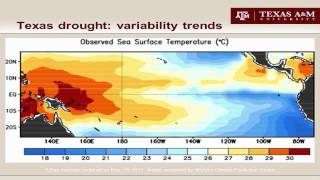
Experts examine extreme weather hazards, climate change impacts, and preparedness strategies. Case study on Texas drought. Discussion on economic losses, climate risks, and disaster risk reduction principles.
Small Climate Changes, Big Ecological Impacts - Fall Meeting 2011
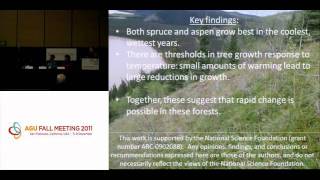
Exploring how small climate changes can trigger rapid ecosystem shifts, including potential impacts on boreal forests and arctic tundra, and historical examples of regime shifts affecting megafauna.
Predicting and Managing Extreme Weather and Climate Events
Explore strategies for predicting and managing extreme weather and climate events with insights from Dr. Jane Lubchenco's lecture at the AGU Fall Meeting 2011.
Ocean Acidification: Physiological Tipping Points for Marine Species - Press Conference
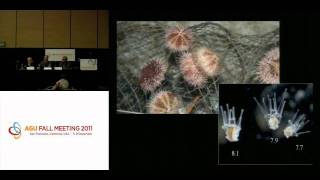
Experts discuss new research on ocean acidification's impact on marine species beyond corals, revealing stunted growth and development in fish, crustaceans, and sea urchins due to lower pH levels.
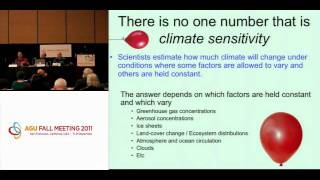
Paleoclimate Record Points to Potential Rapid Climate Changes - 2011 AGU Fall Meeting
Paleoclimate data suggests Earth may face rapid climate changes, with sea levels potentially rising several meters, even if global warming is limited to two degrees Celsius above pre-industrial levels.
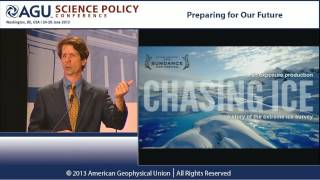
Preparing for Our Future - Climate Change Impacts and Expectations
Explore climate change impacts through a conversation with award-winning experts, featuring stunning glacier retreat footage and insights on future environmental challenges.
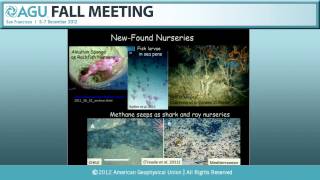
Deep Margins Under Pressure - Climate Change and Human Impacts on Continental Slopes
Exploring deep continental margins: their ecological importance, vulnerability to climate change, and challenges from human exploitation. Calls for improved stewardship of these crucial deep-ocean ecosystems.
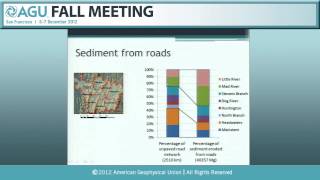
Human Influences on Hydroecogeomorphic Processes Across Spatial Scales
Explore human impacts on water, ecology, and landforms across scales, focusing on wildfires, logging, and road networks. Gain insights into erosion, runoff, and water quality in forested landscapes.
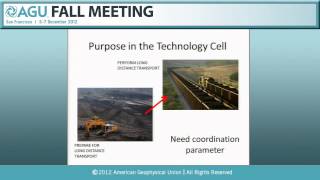
The Anthropocene: Confronting the Prospects of a +4°C World - Part 1
Explore the Anthropocene era and its implications for a +4°C world through expert discussions on paleontology, land cover changes, international law, climate impacts, and science communication.
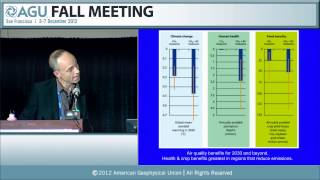
Mitigating Near-Term Climate Change While Advancing Human Development
Explores strategies to mitigate near-term climate change while promoting human development, focusing on practical emissions reduction techniques and their multifaceted impacts on environment, health, and agriculture.
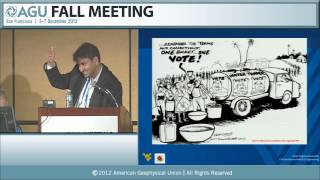
Hydroepidemiology - Understanding Connections Between Hydrology and Human Health - Part 2
Explore connections between hydrology and human health, focusing on waterborne diseases, climate change impacts, and predictive modeling for outbreaks in various regions.
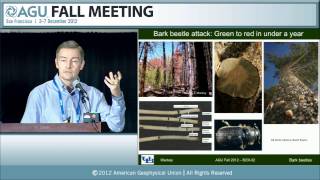
Disturbance Impacts and Responses in Forest Ecosystems - 2012
Explore forest ecosystem responses to climate change, droughts, fires, and other disturbances. Gain insights into carbon dynamics, plant hydraulics, and community structure across various scales and regions.
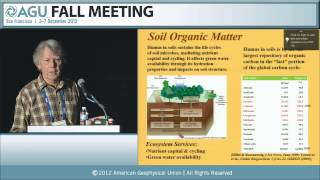
The Soil Underfoot - Green Water and Global Food Security
Explores soil's crucial role in global food security through green water management, emphasizing the need for deeper understanding of soil functions in the water cycle and their response to land-use changes.
Evidence for Human Effects on Global Climate
Explore evidence for human-induced climate change with insights from an American Physical Society subcommittee, covering key findings and implications for global climate policy.
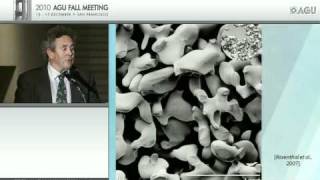
Mountain Hydrology, Fourth Paradigm, and Color of Snow - Nye Lecture
Explore mountain hydrology, data-driven science, and snow properties in this lecture. Learn about environmental applications, measurement techniques, and challenges in understanding snow dynamics and their impact.
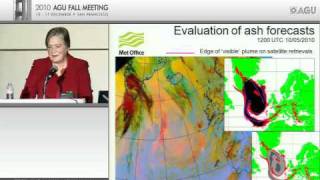
Society's Growing Vulnerability to Natural Hazards and Implications for Geophysics Research
Explore natural hazards' impact on society, geophysics research implications, and strategies for addressing vulnerabilities through case studies and scientific advancements.
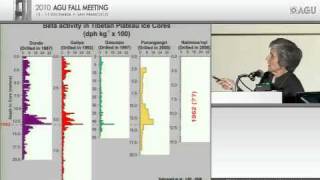
Past and Contemporary Climate Change: Evidence From Earth's Ice Cover
Explore Earth's climate history through ice core analysis, examining past changes and current trends to understand global warming's impact on our planet's future.
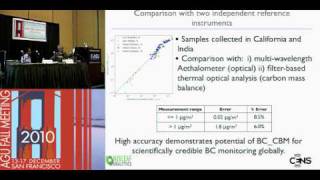
Black Carbon - Reducing a Major Climate-Warming Agent from the Atmosphere
Explores black carbon's impact on global warming, California's clean air progress, and innovative monitoring tools for developing countries. Highlights latest research and technological advancements in addressing this climate challenge.
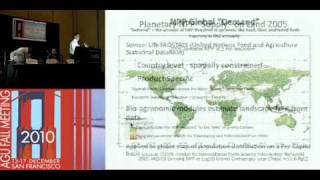
Carbon Consumption and Earth's Carrying Capacity: Challenges Ahead
Exploring Earth's carrying capacity as human consumption of plant resources increases, raising concerns about biodiversity, climate vulnerability, and global resource imbalances.
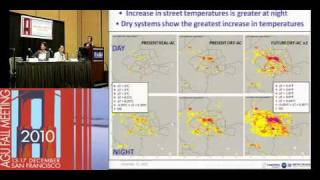
New Views of Urban Heat Islands
Explore satellite data insights on urban heat islands, their variations across cities, public health impacts, and potential exacerbation of heat waves through increased air conditioning usage.
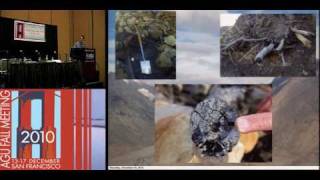
Mummified Arctic Forest Reveals Ancient Climate Change Clues
Discover ancient Arctic forests preserved in ice, revealing a warmer past and offering insights into ecosystem responses to dramatic climate shifts.