Cross-Building Strategies in the Age of C++ Package Managers - Lecture
Explore cross-building strategies for ARM devices using C++ package managers. Learn to leverage tools like Conan and vcpkg for efficient cross-compilation workflows.
Finding Your Codebase's C++ Roots
Explore C++ codebase history through genealogy techniques. Uncover past decisions, link to C++'s evolution, and improve maintainability for future development.
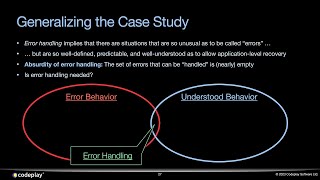
The Absurdity of Error Handling: Finding a Purpose for Errors in Safety-Critical SYCL
Explore error handling challenges in safety-critical SYCL, examining the concept of safety and rethinking error scenarios in C++ software development for critical systems.
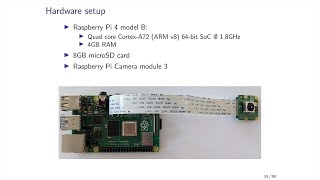
Leveraging the Power of C++ for Efficient Machine Learning on Embedded Devices
Explore practical C++ and TensorFlow Lite integration for efficient machine learning on embedded devices. Includes image classification and hand gesture recognition demonstrations on Raspberry Pi.
Web of Things and Rust
Explore implementing Web of Things with Rust in the SIFIS-Home project for a trustworthy experience. Learn how this innovative approach enhances IoT security and functionality.
Parameter Inference of Music Synthesizers with Deep Learning
Explore deep learning techniques for parameter inference in music synthesizers, enhancing sound design efficiency and creativity for producers and audio professionals.
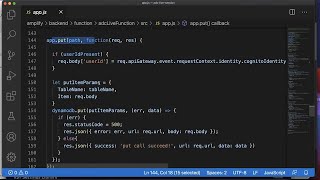
Combining Serverless Functions with Audio VST Plugins - Cloud Storage for VST Parameters
Explore cloud-based VST parameter storage using AWS Amplify, GraphQL, and Cognito. Learn to create a serverless project for accessing and sharing audio settings across devices.
Deep Learning in Audio for Absolute Beginners: From No Experience to a Deployed Model
Jumpstart deep learning in audio: from basics to deploying models. Learn myths, dataset creation, PyTorch training, and real-time plugin deployment for Virtual Analog modeling of audio effects.
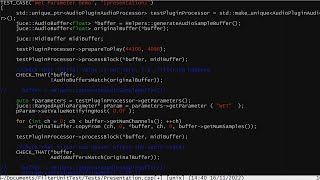
Unit Testing Audio Processors - Lecture
Learn to set up and implement unit testing for JUCE audio plugins, covering practical examples from basic checks to verifying processor output.
Deep Learning in Audio for Absolute Beginners: From No Experience to a Deployed Model
Jumpstart deep learning in audio: from basics to deploying models. Learn myths, fast techniques, dataset creation, PyTorch training, and real-time plugin deployment for Virtual Analog modeling.

Writing Elegant DSP Code in Rust
Leverage Rust's type system for elegant, concise, and safe DSP code. Explore advanced features, zero-cost abstractions, and various implementation styles for audio processing graphs.
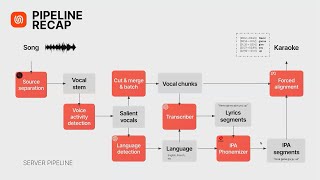
Developing an AI-Powered Karaoke Experience
Explore AI-powered karaoke development, including audio source separation, voice transcription, and real-time remixing. Learn challenges and solutions for mobile and web platforms.
How to Write Bug-Free, Real-Time Audio C++ Code
Discover strategies for writing bug-free real-time audio C++ code. Learn DSP techniques, code reuse, C++/Python interoperability, and real-world examples to enhance confidence and correctness in audio development.
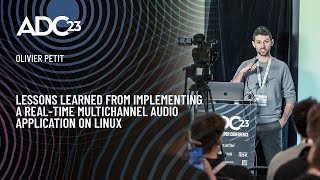
Running High Channel Count Audio Applications on Linux RT
Explore Linux kernel features for real-time audio processing, focusing on performance control and glitch-free output in high channel count applications. Learn from commercial product examples.
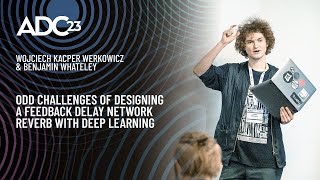
Odd Challenges of Using Deep Learning in Designing a Feedback Delay Network Reverb
Explore challenges in optimizing audio effects using deep learning, focusing on Feedback Delay Network reverb design. Gain insights into DSP, machine learning, and innovative approaches to audio processing.
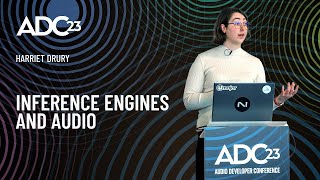
Inference Engines and Audio - Machine Learning in Audio Applications
Explore inference pipelines in machine learning for audio applications, including common engines, their functionality, and creating custom solutions for platforms like Cmajor.
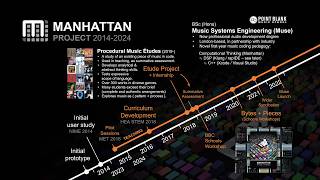
Three RADical Concepts in the Art of C++ Coding - Lecture
Explore innovative C++ concepts for audio programming, including MIDI-inspired languages, built-in audio semantics, and live plugin development in DAWs. Discover new technologies blurring music and code.
Exploration of Strongly-Typed Units: A Case Study from Digital Audio - Lecture
Explore strongly-typed units in digital audio processing, examining real-world examples and the mp-units library for C++. Learn to prevent unit-related errors and enhance code safety.
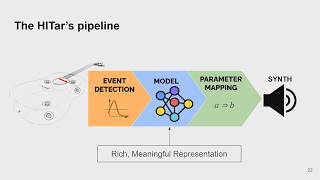
Deep Learning for DSP Engineers: Challenges and Tricks for Audio AI
Explore AI-based musical instrument development from a DSP engineer's perspective. Learn about real-time audio models, dataset creation, and deployment, with insights from HITar and Bessel's Trick projects.
AI-Powered Solution for Agrochemical Management in Farming - Arm Tech Talk
Explore how an 18-year-old innovator uses AI on Arm to create a blockchain-based solution for secure agrochemical storage and transportation, addressing global farming challenges.
Energy-Efficient ML Vision App Development with Ethos-U65 - NXP and Arcturus
Leverage Ethos-U65 microNPU and Cortex-A55 CPUs on NXP's i.MX 93 for energy-efficient ML vision apps. Explore NXP's eIQ ML environment and Arcturus solutions for smart occupancy sensing and edge vision applications.