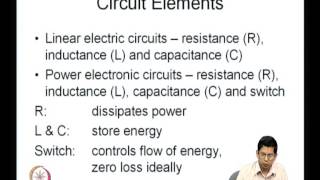
Pulse Width Modulation for Power Electronic Converters
Comprehensive exploration of pulse width modulation techniques for power electronic converters, covering DC-DC, DC-AC, and multilevel converters, with analysis of harmonics, losses, and applications.

Three-Phase Inverters and Pulse-Width Modulation - Lecture 23
Explore three-phase inverter implementation and pulse-width modulation techniques for three-phase systems in this advanced power electronics lecture from MIT.

Inverters and Pulse Width Modulation Techniques - Lecture 19
Explore multilevel inverters for harmonic elimination and cancellation, and learn pulse width modulation techniques for inverters in this advanced power electronics lecture.
Learn FPGA
Comprehensive introduction to FPGA programming, covering basics, Verilog, circuit design methods, state machines, simulations, and advanced topics like PWM and resource optimization.
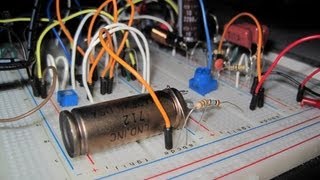
How to Make a Geiger Counter - High Voltage Circuit Design
Learn to build a Geiger counter with high voltage components. Covers DC-DC conversion, circuit design, microcontroller programming, and radiation detection principles. Hands-on project for electronics enthusiasts.
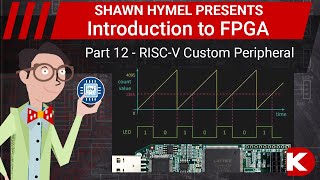
Introduction to FPGA - RISC-V Custom Peripheral | Digi-Key Electronics
Design and integrate a custom PWM peripheral into a RISC-V softcore processor on an FPGA, enabling LED dimming control through memory-mapped I/O and Verilog implementation.
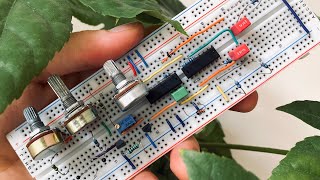
DIY VCO - Shaping Sawtooth to Square
Learn to build an analog VCO from scratch, adding stability, fine-tuning, and variable pulse width output. Covers thermistors, op-amps, waveshaping, and achieving modular-conform volume levels.
Raspberry Pi - Using GPIO Pins for PWM to Simulate Analog Output
Learn to simulate analog output using Pulse Width Modulation on Raspberry Pi GPIO pins. Control LED brightness and explore PWM signals with hands-on demonstrations and practical examples.
Everything I've Learnt About LEDs
Explore LED technology with expert Mike Harrison, covering RGB, dimming, PWM techniques, and practical applications for custom lighting installations and hardware projects.
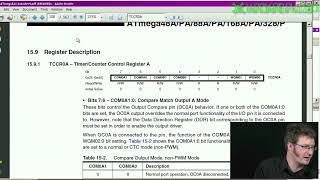
3Pi Robot - Pulse Width Modulation
Learn to program ATmega328p using Pololu 3pi robot, focusing on pulse width modulation for motor control and differential steering. Practical demonstrations included.
Exploring PWM Subsystem and Its Usage in Embedded Devices
Dive into PWM subsystems for embedded devices, covering frameworks, driver implementation, system interfaces, and practical applications.
Rustberry Pi: Baby Steps in Embedded Rust - Lecture, September 2022
Explore embedded Rust on Raspberry Pi: control GPIOs, create circuits, and build interactive projects. Perfect for beginners curious about physical computing and hardware interaction.
Dead-Time Switching Loss in DC-DC Converters
Explore dead-time switching loss in DC-DC converters, understanding its impact and mitigation strategies for improved power efficiency.
Output Voltage Ripple of a Buck Converter
Learn to analyze and minimize output voltage ripple in buck converters, enhancing power supply design skills for improved efficiency and performance.

Classification of Pulse Width Modulators
Learn about different types of pulse width modulators, their characteristics, and applications in power electronics. Gain insights into modulation techniques for efficient control of electrical systems.

Raspberry Pi Pico - Control the I-O World
Explore Raspberry Pi Pico's capabilities through hands-on experiments with LEDs, switches, analog inputs, OLED displays, and motors using MicroPython. Learn soldering, setup, and practical coding techniques.
Gadgets and Trinkets - The Upstream Linux Way
Explore connecting simple devices to Linux systems, from Arduino to character LCDs. Learn about userspace drivers, hardware descriptions, and device tree overlays for safe device integration.

JavaScript Meets Zephyr - Creating IoT Applications with JavaScript Runtime
Explore JavaScript development on Zephyr OS using JerryScript-based runtime. Learn about API access, rapid development, and implementation on resource-constrained devices like Arduino 101.
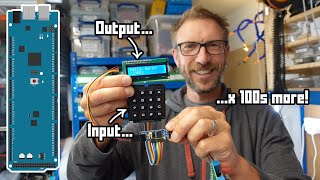
GPIO Inputs and Outputs - An Intermediate Guide for Arduino and ESP Projects
Comprehensive guide to GPIO for Arduino and ESP projects, covering digital/analog I/O, logic levels, resistors, PWM, ADC, high current applications, and port expanders with practical examples.
Using Android Things to Detect and Exterminate Reptilians
Explore Android Things to build a Reptilian-detecting machine using Raspberry Pi, Arduino, and machine learning. Learn to interact with physical components through specific APIs.

Building a Self-Driving RC Car
Explore converting an RC car into an autonomous vehicle, covering electronics, sensors, AI, and computer vision. Compare with industry solutions and discuss challenges and ethical dilemmas.