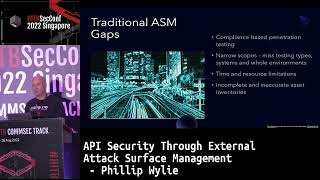
API Security Through External Attack Surface Management
Integrating APIs into External Attack Surface Management to improve security posture. Discover and assess exposed assets, including APIs, for better protection and risk mitigation.
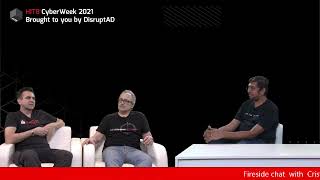
Hack In The Studio - Fireside Chat
Fireside chat with security experts Cristofaro Mune and Adam Laurie, discussing their extensive experience in hardware hacking, embedded systems security, and reverse engineering techniques.
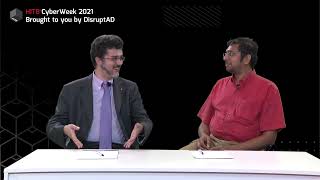
Hack In The Studio - Fireside Chat
Fireside chat with cybersecurity experts Stefano Zanero and Marco Balduzzi, discussing their research, experiences, and insights in malware analysis, cyberphysical security, and emerging threats in the digital landscape.
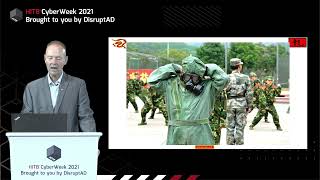
Military Bioweapons Development and Information Warfare
Explores coordinated military efforts in the GCC region, focusing on biological weapons development and information warfare strategies for national defense. Insights from field experience shared.
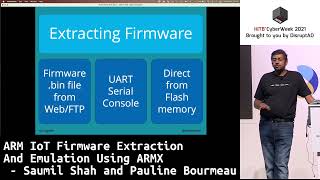
ARM IoT Firmware Extraction and Emulation Using ARMX
Hands-on workshop on extracting and emulating ARM IoT firmware using ARMX. Covers firmware extraction, unpacking, file system analysis, and device emulation. Practical experience with real IoT devices and tools.
EXPLIoT Framework - An Introduction to IoT Security Testing
Explore IoT security with EXPLIoT framework. Learn key concepts, tools, and protocols for penetration testing and exploit development in IoT environments. Hands-on workshop for security researchers and pentesters.
How to Defeat EDRs in Usermode
Explore advanced techniques to bypass Endpoint Detection and Response (EDR) systems, including PID spoofing, DLL blocking, and syscalls. Learn from experts and get inspired to innovate in cybersecurity.

Attacking Automated Manufacturing Systems
Explores attack surfaces and vulnerabilities in automated manufacturing systems, discussing potential impacts on product quality, plant safety, and industrial espionage in Industry 4.0 environments.
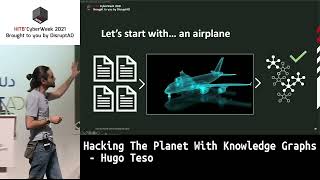
Hacking the Planet With Knowledge Graphs
Explore innovative approaches to cybersecurity for complex systems using knowledge graphs, graph theory, and machine learning. Learn to plan and execute effective engagements across diverse technological landscapes.
Gremlin Apps and Gremlin Botnets
Exploring the risks of BYOD policies and the potential for malicious apps to create targeted attacks on corporate devices, highlighting covert channels and opportunistic permissions.
Security Framework Challenges & Solutions
Explores physical layer security challenges and solutions for embedded devices, focusing on authentication schemes, feature extraction from wireless modules, and practical implementation methodologies.
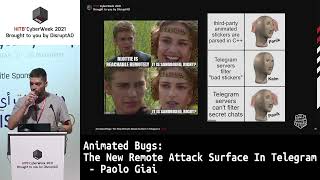
Animated Bugs - The New Remote Attack Surface in Telegram
Exploring Telegram's animated stickers implementation in E2EE chats, uncovering 13 zero-day vulnerabilities through advanced fuzzing techniques and binary exploitation.
Hunting for Malicious Infrastructure Using Big Data
Explore innovative machine learning techniques for detecting malicious infrastructure in HTTP responses, focusing on uniqueness and header order features to identify command and control servers.
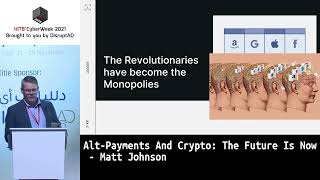
Alt-Payments and Crypto - The Future Is Now
Exploring key trends in alternative payments and cryptocurrencies, including industry perspectives, future directions, and challenges for investors in this rapidly evolving financial landscape.
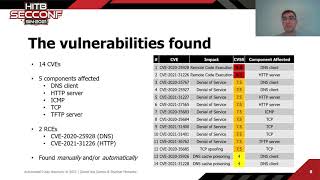
Squashing Low-hanging Fruit in Embedded Software
Discover advanced techniques for identifying and mitigating critical vulnerabilities in embedded systems, focusing on NicheStack TCP/IP stack vulnerabilities and automated vulnerability detection methods.
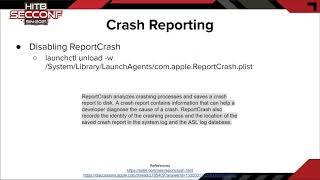
Summer of Fuzz - MacOS
Explore overlooked attack surfaces on macOS through fuzzing techniques. Learn to bypass security protections, debug effectively, and use new tools for crash triage in Apple core apps and services.
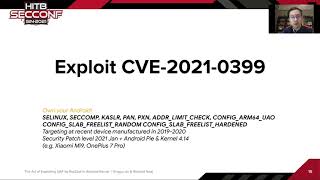
Exploiting UAF by Ret2bpf in Android Kernel
Exploiting a 10-year-old Use-After-Free vulnerability in Android's xt_qtaguid kernel module, demonstrating local privilege escalation on Mi9 device using ret2bpf technique to bypass protections.
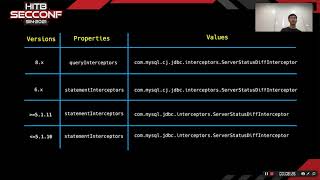
Make JDBC Attacks Brilliant Again
Explore advanced JDBC attack techniques, including 0day vulnerabilities in popular systems. Learn about XXE and RCE issues, and gain insights from experienced security researchers.
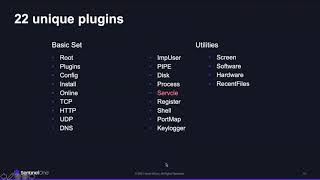
SHADOWPAD - Chinese Espionage Malware-as-a-Service
Comprehensive analysis of SHADOWPAD malware: its origin, usage patterns, and business model. Explores its impact on Chinese cyber espionage and the evolving threat landscape.
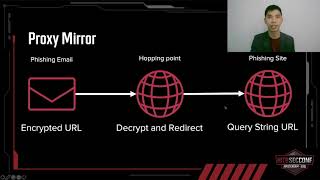
Dissecting Phishing Techniques of CloudDragon APT
Análisis detallado de las sofisticadas técnicas de phishing del grupo APT norcoreano CloudDragon, incluyendo casos reales, métodos para evadir la autenticación de dos factores y propagación a sistemas Android.
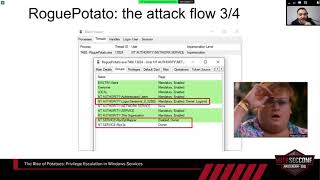
The Rise of Potatoes - Privilege Escalation in Windows Services
Exploring advanced privilege escalation techniques in Windows services, including a new 0day NTLM relay attack. Covers recent methods, Windows Service Hardening, and the RemotePotato0 attack vector.