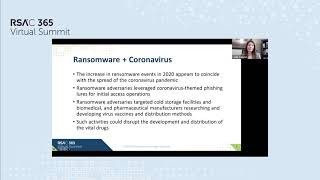
Ransomware in ICS - Impacting Critical Infrastructure and Operations
Explore the rising threat of ransomware in industrial control systems, its impact on critical infrastructure, and strategies to defend against these sophisticated attacks and data theft operations.
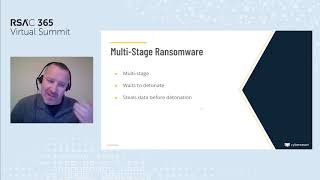
Critical Infrastructure Network Attacks - Code Red, Alert Network Operators
Analyze new tactics used by cybercriminals targeting critical infrastructure with multistage ransomware attacks, focusing on electric transmission substation vulnerabilities and incident timelines.
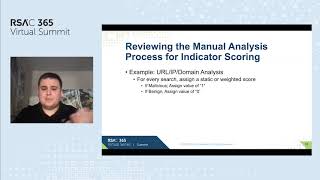
Scaling Your Defenses - Next Level Security Automation for Enterprise
Learn to implement advanced security automation, from basic tasks to end-to-end processes, enhancing your organization's cyber defense capabilities and efficiency in handling increasing security workloads.
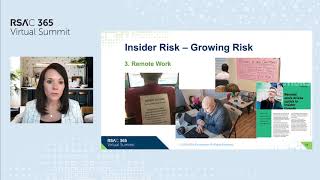
The Return of Hacktivism - The Insider
Explore how evolving work dynamics and employee mindsets fuel insider hacktivism, impacting corporate data security. Real-world examples illustrate this emerging threat and its implications.
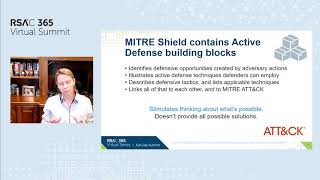
A Primer - Getting Started with MITRE Shield
Introduction to MITRE Shield: active defense knowledge base for deception and adversary engagement techniques. Learn foundational strategies and implementation for improved cybersecurity defenses.
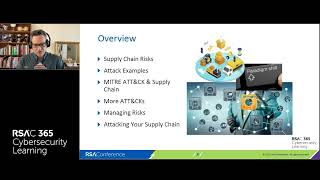
Pen-Testing the Supply Chain
Explore software supply chain risks through enhanced security testing and adversary simulation. Learn to identify vulnerabilities, assess vendor risks, and implement effective security measures.
Whom Do You Trust - MSPs and Other Forgotten Risks for SMBs
Explore cybersecurity risks for SMBs, focusing on MSP vulnerabilities and supply chain attacks. Learn strategies to protect against threats and strengthen your security posture.
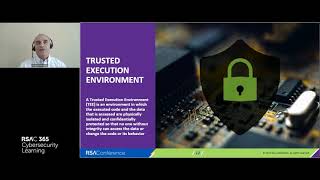
Confidential Computing in Cloud and Edge
Explore Confidential Computing in cloud and edge environments, focusing on Trusted Execution Environments, data protection, and scalable implementation solutions for enhanced security.

Post-Exploitation of Cloud Service Providers
Explore AWS post-exploitation techniques, including cloud-wide credential theft and backdooring compromised accounts, to enhance penetration testing skills for cloud environments.
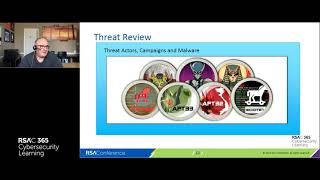
Threat Informed Defense
Explore Threat Informed Defense to prioritize and focus cybersecurity efforts. Learn to create threat models, leverage behavior-based detections, and efficiently protect evolving organizations against complex threats.
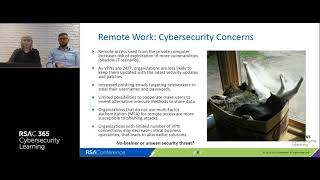
Modern Identity Hacking - Have Hackers Really Adjusted to Constant Remote?
Explore modern identity hacking techniques, including MFA bypasses and attacks on authentication protocols, in the context of remote work and cloud-based solutions.
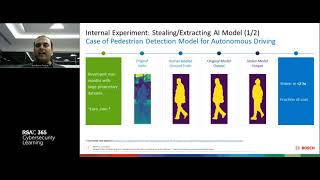
Fighting New Era Bandits Who Are Plundering Your AI - ML Application
Explore techniques used by adversaries to steal AI/ML models, their implications, and learn detection measures and defenses to protect valuable intellectual property.
Cloud Threat Modeling - From Architecture Design to Application Development
Learn cloud threat modeling techniques to identify and mitigate security risks in architecture design and application development, focusing on determining attack surfaces and eliminating common flaws.
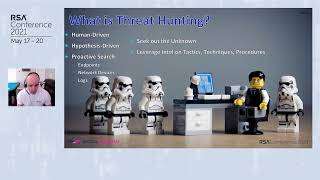
Hunt and Gather - Developing Effective Threat Hunting Techniques
Explore innovative threat hunting techniques to stay ahead of hackers. Learn to plan, develop, and execute effective strategies for proactive cybersecurity and advanced threat detection.
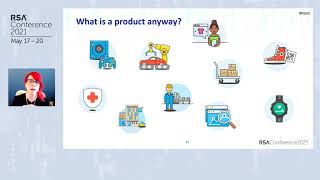
Infosec Makeover - Love it or Leave it, Product Security is Here to Stay
Explore the emerging field of Product Security, its importance in organizations, and strategies for building effective teams, including insights on hiring Product Security Engineers in Central Europe.
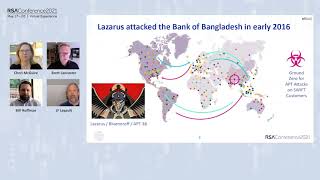
Reducing Payment Fraud with SWIFT Customer Security Controls Framework
Explore SWIFT's Customer Security Program: its impact on reducing payment fraud, enhancing cyber hygiene, and evolving to meet future challenges in the global financial ecosystem.
Impact of Log4j
Explore the impact of log4j vulnerability, its industry-wide effects, and strategies for mitigating similar threats in 2022 with experts Alvaro Munoz and Joe Slowik.
Bhadra Framework - Threat Modeling for Mobile Communication Systems
Explore the Bhadra framework for threat modeling in mobile communication systems, addressing complex security challenges and providing a structured approach to analyze adversarial behaviors in telecom networks.
Ransomware Unlocked
Comprehensive overview of ransomware, including history, current attacks, hacker groups, and defense strategies. Explores cyber security frameworks and principles for effective recovery and protection.
The Crash Course - A Non-Programmer's Guide to Fuzzing
Hands-on workshop for non-programmers to learn fuzzing techniques. Covers environment setup, tools like AFL and Honggfuzz, instrumentation, input selection, and crash analysis. Suitable for beginners to intermediate level.
Migrate Securely from On Prem to Azure Cloud
Learn strategies for secure migration from on-premise to Azure Cloud, focusing on real-time scenarios, architecture design considerations, and Azure services for seamless transition while addressing security challenges.