Mac-A-Mal - An Automated Platform for Mac Malware Hunting
Automated platform for macOS malware analysis, featuring kernel-level behavioral monitoring and extending Cuckoo sandbox capabilities. Supports various sample types and detects evasion techniques.
New Tool for Discovering Flash Player 0-Day Attacks in the Wild from Various Channels
Discover techniques for identifying Flash player zero-day attacks in the wild, including sample collection methods and a tool for efficient detection with low false positives.
My Bro The ELK - Obtaining Context From Security Events
Automate security event analysis using ELK, Bro IDS, and threat intelligence feeds. Learn to integrate frameworks for faster incident response and enhanced threat detection.

Say It Ain’t So - An Implementation of Deniable Encryption
Explore deniable encryption techniques, their applications, and implementation, focusing on set and string reconciliation methods for secure communication.
Denial of Service as a Service - Asymmetrical Warfare at Its Finest
Explore DDoS attacks, investigative techniques, and asymmetrical warfare in cybersecurity. Learn about real-world incidents, tracking suspects, and the implications of "DDoS as a Service."
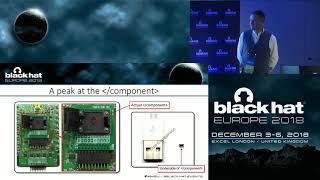
Attacking Hardware Systems Using Resonance and the Laws of Physics
Explore resonant frequencies to subvert electronic systems, challenging assumptions about hardware security and demonstrating vulnerabilities in supposedly secure components.
Return of the Insecure Brazilian Voting Machines
Análise detalhada da segurança do software de votação brasileiro, baseada em resultados de um desafio de hacking restrito organizado pela autoridade eleitoral nacional.
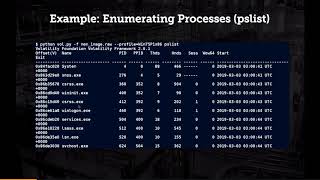
Investigating Malware Using Memory Forensics - A Practical Approach
Practical approach to memory forensics for malware detection and investigation, covering techniques, demonstrations, and analysis of various malware types and rootkits.

Keeping Secrets - Emerging Practice in Database Encryption
Explore emerging database encryption practices for high-sensitivity workloads, covering threat models, production ops, data in-use protection, and blind administrator approaches.
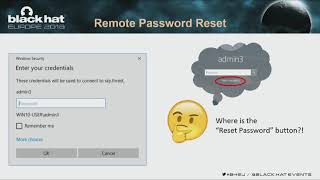
When Everyone's Dog is Named Fluffy - Abusing the Brand New Security Questions in Windows to Gain Domain-Wide Persistence
Explore Windows 10 security questions vulnerability, offering insights on exploiting this feature for persistent access and domain-wide compromise.

IoT Malware - Comprehensive Survey, Analysis Framework and Case Studies
Comprehensive exploration of IoT malware, covering its evolution, analysis frameworks, and real-world case studies. Insights into vulnerabilities, detection methods, and future challenges in securing connected devices.
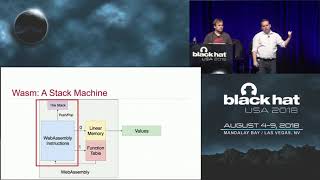
WebAssembly - A New World of Native Exploits on the Browser
Explore WebAssembly's security risks, low-level semantics, and potential vulnerabilities in browser-based applications. Learn about linear memory, function tables, and mitigation strategies.
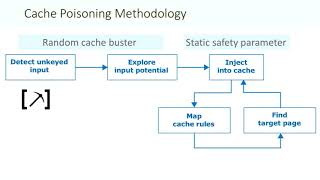
Practical Web Cache Poisoning - Redefining 'Unexploitable'
Explore web cache poisoning techniques to compromise websites by exploiting caches and content delivery networks, turning them into exploit delivery systems targeting unsuspecting visitors.
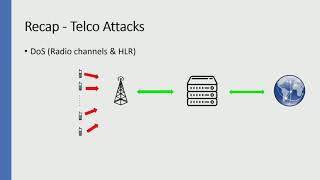
LTE Network Automation Under Threat
Explore vulnerabilities in 4G/LTE network automation, including rogue base stations, SON protocols, and handover hijacking. Learn about potential threats and solutions for mobile network security.
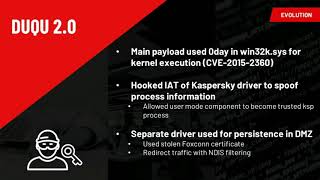
Kernel Mode Threats and Practical Defenses
Explore advanced kernel mode threats, Microsoft's defenses, and practical strategies for detecting and mitigating sophisticated attacks on Windows operating systems.

Breaking the IIoT - Hacking Industrial Control Gateways
Comprehensive exploration of security vulnerabilities in industrial control gateways, from protocol attacks to firmware reverse engineering, with live demonstrations on real devices.
Identity Theft - Attacks on SSO Systems
Explore vulnerabilities in SAML-based SSO systems, focusing on XML signature attacks. Learn about potential exploits, threat models, and remediation strategies for securing identity management.
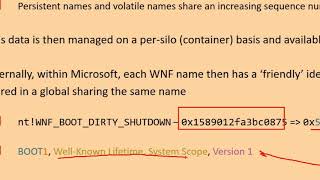
Windows Notification Facility - Peeling the Onion of the Most Undocumented Kernel Attack Surface Yet
Explore the undocumented Windows Notification Facility, its architecture, and potential security implications. Learn about state names, data publishing, and consuming, as well as attack vectors and defensive strategies.
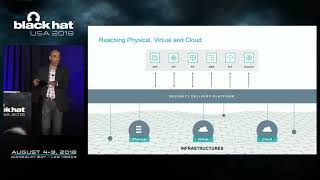
Running a Security Operations Center - Challenges, Solutions and Key Learnings
Explore challenges and solutions in operationalizing a Security Operations Center, covering threat hunting, behavioral analytics, and rapid product deployment for enhanced cybersecurity.
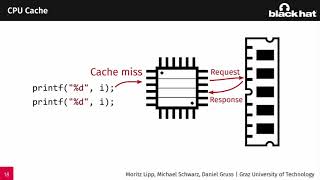
Meltdown - Basics, Details, Consequences
Explore Meltdown, a critical security vulnerability that breaks fundamental isolation between user applications and operating systems, allowing unauthorized access to system memory and sensitive data.
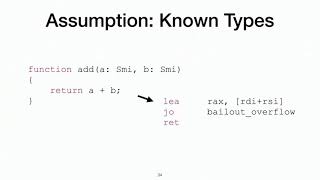
Attacking Client-Side JIT Compilers
Explore JIT compiler security in JavaScript engines, focusing on challenges, solutions, and potential vulnerabilities. Learn about optimization techniques and their impact on browser exploitation.