How to Test a Security Awareness Program - Matt Perry
Learn effective methods for evaluating and improving security awareness programs, covering digital footprints, physical security, social engineering, and best practices for organizational cybersecurity culture.
Who's Watching the Watchers
Explore the ethical implications and challenges of digital surveillance in modern society, examining its impact on privacy, security, and civil liberties.
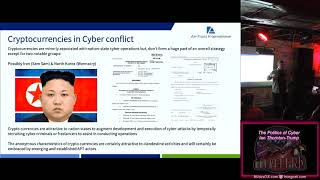
The Politics of Cyber
Explore the intersection of politics and cybersecurity, covering topics like collateral damage, cryptocurrencies in cyber conflicts, and evolving skill requirements in the field.
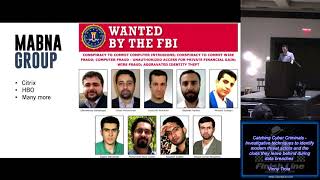
Catching Cyber Criminals - Investigative Techniques to Identify Modern Threat Actors
Explore investigative techniques for identifying modern cyber threat actors, enhancing your ability to catch and prevent cybercrime in today's digital landscape.
Autopsy's Year in Review - OSDFCon
Comprehensive overview of Autopsy's latest features, including new interfaces and analysis modules, highlighting advancements in digital forensics and incident response capabilities.

Do We Need a Declaration of Digital Human Rights?
Exploring the need for digital human rights in the age of technology, addressing data privacy, surveillance, and global access to digital freedoms.
The Limitations and Danger of Facial Recognition
Explores ethical concerns, biases, and societal impacts of facial recognition technology, emphasizing the need for responsible development and deployment in various applications.
Charlas: Resolviendo crimenes con Python mediante el Procesamiento del Lenguaje Natural (NLP)
Descubre cómo el procesamiento del lenguaje natural y el aprendizaje automático con Python ayudan a resolver crímenes como el grooming, agilizando el análisis forense de conversaciones digitales.

Python in Prison - How Open Source Can Change a Criminal Justice System
Explore how Python and open-source technology can revolutionize the criminal justice system, addressing societal challenges and promoting positive change through innovative programming initiatives.
Threat to Life - Preventing Planned Murders with Python
Explore how Python-based deep learning models are used to detect life-threatening messages in intercepted communications, aiding law enforcement in preventing violent crimes and protecting potential victims.
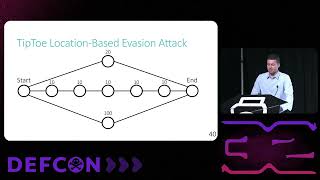
Securing CCTV Cameras Against Blind Spots - Analysis of Location-Based Detection Vulnerabilities
Explore how CCTV camera blind spots create security vulnerabilities through location-based confidence weakness, and learn about TipToe - a novel evasion attack demonstrating detection flaws across various conditions.

What Happened When We Tested Thousands of Abandoned Rape Kits in Detroit
Prosecutor Kym Worthy discusses the discovery of untested rape kits in Detroit and her innovative program to track, test, and seek justice for victims, calling for a national effort to address this issue.

Stranger Things: Privacy and Security Implications of Always-On Devices
Exploring privacy and security implications of always-on AI devices in homes and workplaces, focusing on consumer education and design choices for wide adoption and enhanced security.

The Offline Dimension of Online Crime
Exploring the offline dimension of cybercrime, challenging the notion of anonymity and revealing local elements in criminal networks through extensive global fieldwork and interviews.
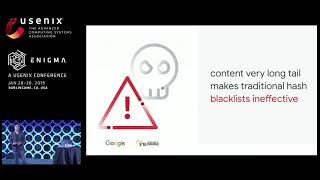
Rethinking the Detection of Child Sexual Abuse Imagery on the Internet
Longitudinal study on child sexual abuse imagery distribution, revealing challenges in detection and proposing solutions to combat its spread across the Internet.

The US Is Addicted to Incarceration - How to Break the Cycle
Robin Steinberg discusses The Bail Project, a nonprofit addressing mass incarceration by paying bail for those who can't afford it, and introduces a new community-based model to reform the US justice system.

How to Fix Two of the Most Broken Systems in the US
Criminal justice reformer Nick Turner discusses how to address racial and economic inequality in the US legal system, advocating for system reduction and recognizing the humanity of those involved.

How Radical Hospitality Can Change the Lives of the Formerly Incarcerated
Sociologist explores aftershocks of mass incarceration, challenges punitive policies, and advocates for radical hospitality to reintegrate formerly incarcerated individuals into society, promoting a more inclusive and just system.

A Juror's Reflections on the Death Penalty
Powerful personal account of a juror's journey from supporting to questioning the death penalty, exploring moral complexities and societal impact of capital punishment.

How Neurotechnology Could Endanger Human Rights
Exploring the ethical implications of neurotechnology on human rights, this talk examines potential misuse in criminal justice, workplace surveillance, and data privacy, advocating for updated legal protections.

The Moral Dangers of Non-Lethal Weapons
Ethicist explores unexpected consequences and ethical challenges of increasing use of non-lethal weapons by police and military, raising thought-provoking questions about their impact on society.