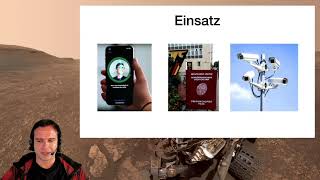
Quo Vadis Gesichtserkennung
Aktuelle Entwicklungen und Herausforderungen der Gesichtserkennung: Von 2D zu 3D, KI-Algorithmen, großflächiger Einsatz und gesellschaftliche Implikationen der allumfassenden Überwachung.
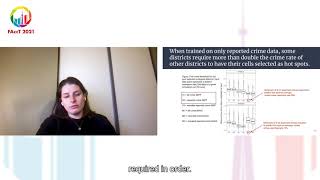
The Effect of Differential Victim Crime Reporting on Predictive Policing Systems
Explore how differential victim crime reporting impacts predictive policing systems, analyzing models, synthetic data, and hotspot prediction to improve fairness in law enforcement.

Reasons To Be Cheerful with David Byrne
David Byrne explores positive global changes in various fields, sharing successful examples to inspire local action and foster hope for a better future.

The Path Forward for Cannabis Legalization Nationwide
Rep. Blumenauer and Natalie Fertig discuss the future of cannabis legalization, exploring policy changes, restorative justice, and the potential for federal action in light of recent developments and growing public support.

How Has Trump Affected Tech
Experts analyze Trump's impact on tech policy, covering net neutrality, privacy, and surveillance, offering insights on civic engagement and future trends.

We Need to Talk About an Injustice
Human rights lawyer Bryan Stevenson discusses racial injustice in America's legal system, highlighting mass incarceration of black males and advocating for reform through personal stories and compelling insights.

How We Take Back the Internet
Edward Snowden discusses surveillance, internet freedom, and data privacy, emphasizing the importance of protecting digital rights and rethinking internet laws for a more secure and free online environment.
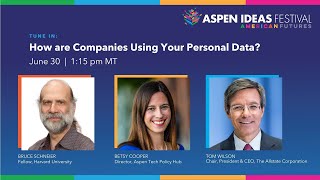
How Are Companies Using Your Personal Data?
Experts discuss data privacy, corporate practices, and consumer rights in the digital age, exploring fair options and the roles of business and government in protecting personal information.

The Tragic Toll of Mental Illness Behind Bars
Exploring the prevalence of mental illness in prisons, its consequences, and potential solutions for improving treatment and reducing incarceration of the mentally ill.
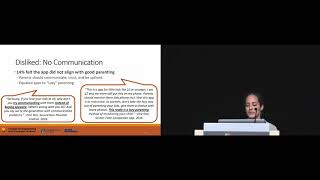
Safety vs. Surveillance - What Children Have to Say about Mobile Apps for Parental Control
Explores children's perspectives on parental control apps, revealing concerns about privacy invasion and restrictive features. Suggests design improvements for balancing safety and autonomy in mobile online safety tools.

The Role of Intelligence Services
Debate on intelligence services' power in a globalized world, exploring challenges, technological changes, privacy concerns, and emerging threats. Experts discuss balancing security and civil liberties.

Into the Dark - Globalized Crime
Explore global illicit financial activities and strategies to combat them through partnerships, digital forensics, and legal measures. Experts discuss international cooperation and public awareness.

COVID-19 Diagnostics and Surveillance
Insight into COVID-19 diagnostic tests, serology testing, and laboratory capacity. Experts discuss test development, FDA guidance, and the science behind antibody testing for informed decision-making.

COVID-19 Variants and Next Steps for Pathogen Genomic Sequencing and Surveillance
Experts discuss CDC's Advanced Molecular Detection Program, focusing on COVID-19 variant sequencing, surveillance strategies, and collaborative efforts to scale up genomic sequencing capabilities in the US.

At the Heart of Combating Cyberthreats
FBI Director Wray discusses cyberthreats, the Bureau's role in combating them, and challenges facing America's cybersecurity landscape in a fireside chat-style interview.

Hi-Tech Mass Extortion - Lessons from the SamSam Ransomware Prosecution
Explore ransomware's evolution and impact through the SamSam case study. Gain insights into cybercrime investigation, extortion tactics, and law enforcement's response to this growing threat.
Watch the Watcher - Facial Recognition and Police Oversight
Explore facial recognition technology's impact on police accountability and learn how OpenOversight uses it to empower citizens. Discover ethical and legal considerations in leveraging AI for community oversight.

Justice for Sale
Exploring how technology can address inequalities in the criminal justice system, focusing on mass incarceration and providing affordable legal tools to balance access to justice.
Outsourcing Humanity - Do Algorithms Make Better Decisions Than People?
Explore the impact of AI decision-making in healthcare, policy, and ethics. Leading researchers discuss the benefits, challenges, and ethical implications of algorithmic decision-making in various fields.

Brains on Trial - Neuroscience and Law
Explore the intersection of neuroscience and law as experts debate the use of brain scanning technology in courtrooms, its implications for criminal justice, and ethical considerations.

The Science of Justice - Fudged Forensics & Faulty Witnesses
Experts explore flaws in criminal justice, including unreliable eyewitnesses, false confessions, and forensic science limitations, challenging assumptions about the system's impartiality and accuracy.