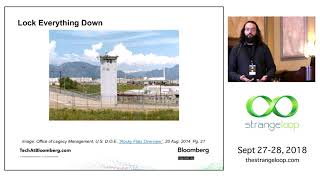
Of Data Dropboxes and Data Gloveboxes
Exploring data security through nuclear isolation techniques, this talk presents innovative approaches to protect sensitive information and ensure controlled data manipulation in modern data science.
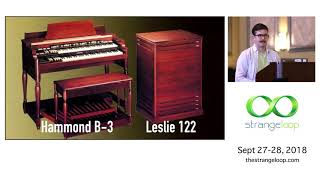
Soul from Scratch - Designing a More Portable Organ
Explore digital organ synthesis, from Hammond B-3 mechanics to microcontroller implementation. Learn to create a portable, MIDI-controlled organ synthesizer, with insights on audio modeling and optimization techniques.
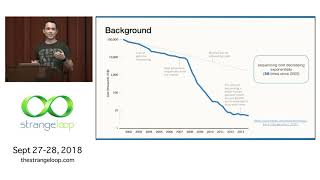
How We've Made a Global Search Engine for Genetic Data
Explore the Beacon Network, a global search engine for genetic data, and learn about its architecture, challenges, and impact on genetic research and data sharing.
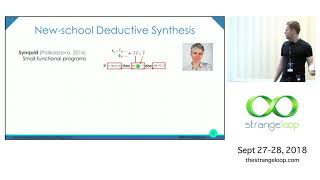
You Are a Program Synthesizer
Explore program synthesis insights to improve coding skills. Learn about code quality, specification-driven development, and advanced analysis techniques for better programming practices.
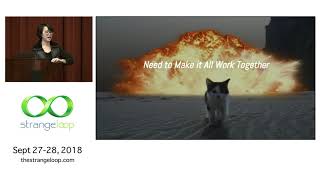
Designing Augmented Reality Systems for Speed
Explore designing AR systems for speed, balancing complex algorithms with resource limitations. Learn trade-offs, concurrency, real-time interactions, and caching in AR development.
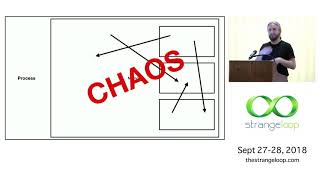
Isolation without Containers
Explore software fault isolation techniques beyond containers, focusing on sandboxing compilers for edge computing and IoT. Learn about machine code generation, optimization, and system integration.
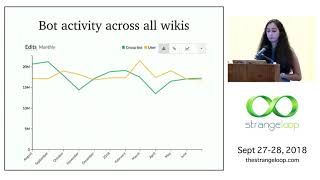
The Bots That Help Run Wikipedia
Explore the fascinating world of Wikipedia bots: their crucial role, diverse functions, and the technology behind them. Learn how to create your own bot and contribute to this unique ecosystem.
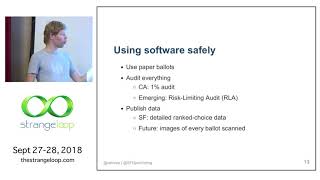
Freeing the Software That Runs Our Elections
Explore open-source software projects for US elections, focusing on San Francisco's initiative. Learn about voting systems, ballot processing, and the advantages of transparent election technology.
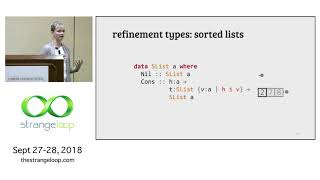
Type-Driven Program Synthesis
Explore type-driven program synthesis for creating complex data structures and repairing information flow leaks, enhancing software quality through declarative constructs and automated code generation.
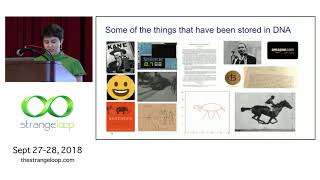
Algorithms for DNA Data Storage
Explore algorithms for efficient DNA data storage, including innovations in reading/writing, cost reduction, and potential applications for managing growing data storage needs.
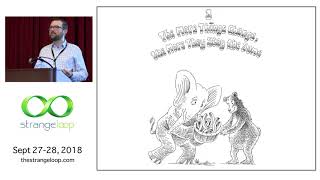
A Little Taste of Dependent Types
Explore dependent types, uniting programming and mathematical proofs. Learn about Pie, a tiny dependently typed language, and see a proof that's also a program.
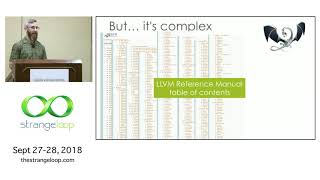
Verifying the LLVM
Explore LLVM's intermediate representation, its complexities, and the Vellvm project's approach to formal verification using Coq, aimed at ensuring compiler reliability and security.
Scalable Anomaly Detection - With Zero Machine Learning
Explore Netflix's innovative approach to detecting anomalies in complex distributed systems using stream processing and simple algorithms, without relying on machine learning.
The Magical Rebalance Protocol of Apache Kafka
Explore Apache Kafka's hidden protocol for managing work assignments, including leader election and task distribution. Learn its internals, applications, and how to extend it for custom implementations.
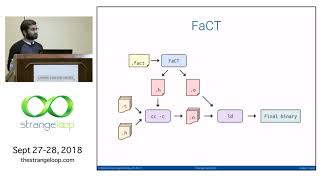
FaCT - A New Language for Constant-Time Programming
FaCT: A new language for writing constant-time cryptographic code, addressing security vulnerabilities in traditional methods. Enables high-level programming constructs while ensuring timing side-channel resistance.
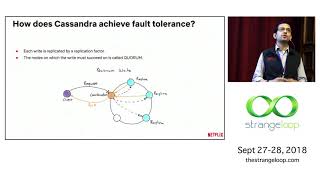
Building Financial Systems on Eventually Consistent DBs
Explore Netflix's innovative approach to building scalable, available, and consistent financial systems using eventually consistent databases, balancing tradeoffs between availability and data integrity.
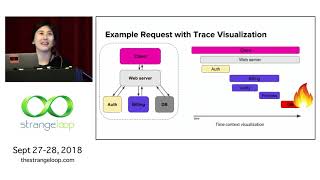
Understanding Microservices with Distributed Tracing
Explore distributed tracing for microservices: visualize request journeys, optimize performance, and gain system-wide insights. Learn implementation strategies and lessons from Lyft's adoption.
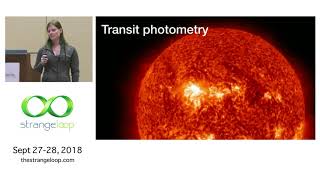
PANOPTES - Open Source Exoplanet Discovery
Discover exoplanets using open-source PANOPTES: a distributed network of robotic telescopes combining cloud computing, affordable electronics, and innovative software.
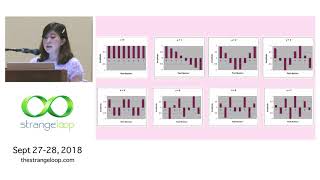
The Glitching Hour
Explore image formats, compression techniques, and data corruption to create artistic glitch effects. Learn how to manipulate digital imagery for unique visual aesthetics.
Building a Canary Testing Framework
Learn to build a canary testing framework for distributed systems, covering architecture, implementation in Go, test configurations, and result visualization using Prometheus.
A Box of Chaos - The Generative Artist's Toolkit
Explore generative art techniques, from algorithms and color theory to creating natural-looking code-generated artwork. Learn practical tools for producing unique digital art pieces.