Explaining Decision-Making Algorithms through UI - Strategies to Help Non-Expert Stakeholders
Strategies for explaining decision-making algorithms through UI to non-experts, focusing on improving comprehension and transparency while exploring the impact on trust and user experience.
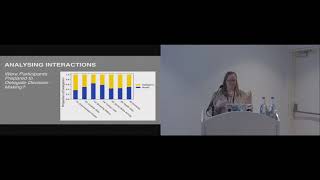
Should I Agree? Delegating Consent Decisions Beyond the Individual
Explores delegating digital consent decisions to third parties, revealing public interest and context-dependent preferences for alternative decision mechanisms beyond individual control.
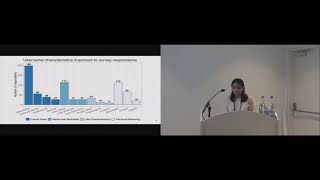
Wait, Do I Know This Person? - Understanding Misdirected Email
Explores misdirected emails, their causes, and how recipients manage them. Examines the intersection of human-chosen usernames and machine-based addressing, highlighting potential consequences and lack of systematic solutions.
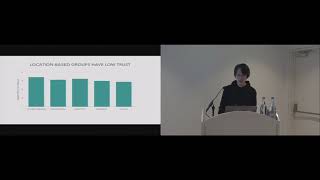
When Do People Trust Their Social Groups
Explores factors influencing trust in social groups, including group size, exclusivity, and network structure. Examines how trust impacts outcomes like friendship formation and group growth.
Examining the Global Language of Emojis - Designing for Cultural Representation
Explores cultural representation in emojis, examining global perceptions and proposing inclusive designs. Combines surveys, interviews, and participatory design to address cultural gaps in emoji standards.
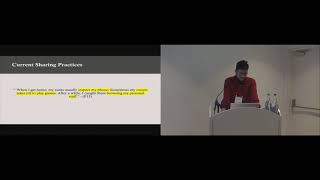
Everyone Has Some Personal Stuff - Designing to Support Digital Privacy with Shared Mobile Phone Use in Bangladesh
Explores a tiered privacy model for shared mobile devices in Bangladesh, addressing digital privacy challenges through separate 'shared' and 'secret' accounts. Findings reveal benefits and remaining hurdles in protecting personal data.

Robust Technological Alternatives to Corporations
Exploring robust technological alternatives to traditional corporate structures, focusing on new organizational forms, employee empowerment, and the impact of digital platforms on labor and business models.
Wicked Problems and Collective Intelligence
Experts discuss wicked problems and collective intelligence, exploring innovative approaches to global challenges through conservation, ant behavior, organizational design, and supply chain management.

An Overview of the Andrew System
Overview of Andrew System: distributed computing environment for academic users. Explores file system, toolkit, messaging, and UI. Developed at Carnegie Mellon's Information Technology Center, used campus-wide by students, faculty, and staff.
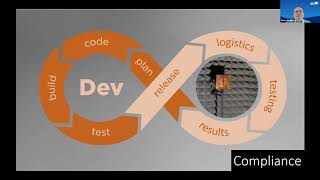
Democratizing the Production of Interactive Hardware
Explores democratizing interactive hardware production, addressing challenges in scaling from prototypes to low-volume products. Proposes innovative solutions like "DevOps for hardware" to make small-scale manufacturing viable and impactful.

The Augmented Conversation and the Amplified World
Explore the future of augmented reality and its potential to revolutionize human communication, collaboration, and problem-solving through dynamic, shared virtual experiences.

Bringing Emotional Intelligence to Technology During Covid-19
Explore how AI with emotional intelligence can enhance human connection during the pandemic, improving technology's ability to understand and respond to our emotions.

Translating Emotional Experiences into Words - Expressive Writing, Interviewing, and COVID
Explore the health benefits of emotional expression through writing and its potential for automated interventions, based on studies of online platforms and controlled experiments.
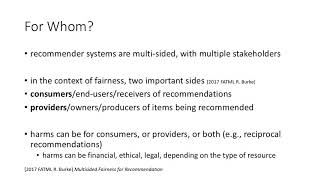
Building User Trust in Recommendations via Fairness and Explanations
Explore techniques to enhance user trust in recommender systems through fairness and explanations, addressing ethical concerns and promoting transparency in AI-driven decision-making.
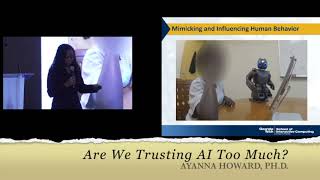
Are We Trusting AI Too Much? Examining Human-Robot Interactions in the Real World
Explores human tendency to overtrust AI and robots, examining real-world interactions and potential consequences, especially in healthcare scenarios involving vulnerable populations like children with disabilities.

Community, Art and the Vernacular in Technological Ecosystems
Exploring AI's impact on race, gender, and aging through art, emphasizing inclusive tech ecosystems and community-driven approaches to shape ethical AI and robotics for a more equitable future.
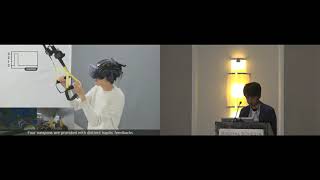
Pull-Ups - Enhancing Suspension Activities in Virtual Reality with Body-Scale Kinesthetic Force Feedback
Enhancing virtual reality experiences with body-scale kinesthetic force feedback using a suspension kit for activities like kitesurfing and paragliding, improving realism and reducing motion sickness.
Supporting Elder Connectedness through Cognitively Sustainable Design Interactions with the Memory Music Box
Innovative design of Memory Music Box to combat isolation in older adults, enhancing connectedness through familiar interfaces and cognitively sustainable technology.
View-Dependent Video Textures for 360° Video
Innovative technique for 360° videos using gated clips and view-dependent video textures, ensuring viewers don't miss key narrative elements while maintaining seamless playback and enhancing the viewing experience.
Photo-Chromeleon - Re-Programmable Multi-Color Textures Using Photochromic Dyes
Innovative method for creating re-programmable multi-color textures using photochromic dyes, enabling single-material fabrication techniques to produce high-resolution, customizable designs on physical objects.
CapstanCrunch - A Haptic VR Controller with User-supplied Force Feedback
Innovative haptic VR controller using capstan mechanism for realistic force feedback in virtual environments, offering high-force output with low power consumption and cost-effective design.