
Many an `any` - std::any
Explore implementation strategies for std::any, examining ABI restrictions, performance impact, compile time effects, and C++20 modules influence. Includes micro-benchmarks and complete implementations.
Contractual Disappointment in C++
Explore effective strategies for handling run-time failures in C++ through contracts, interfaces, and modern tools. Learn to enhance software robustness and reliability.

Sandbox Games - Using WebAssembly and C++ to Make a Simple Game
Explore WebAssembly for C++ programmers, learn to create a browser-based game, and overcome unique challenges. Gain insights into this emerging technology for web development.
The Genius of RISC-V Microprocessors
Explore RISC-V's revolutionary design, its advantages over x86 and ARM, and its impact on embedded systems, high-performance computing, and machine learning hardware.
Tradeoffs in the Software Workflow
Explore software workflow tradeoffs, balancing fast releases with best practices. Analyze defect detection value and link to core software engineering principles.

Introduction to Verifiable Computing
Explore cryptographic tools for verifiable computing, enabling clients to outsource and verify computations without re-running them, even with partial input data.
An Introduction to Multithreading in C++20
Explore C++20's multithreading tools for safe and efficient concurrent programming. Learn key concepts and best practices for developing robust multithreaded applications.

Law of Demeter - A Practical Guide to Loose Coupling
Practical guide to implementing the Law of Demeter for loosely coupled, flexible, and testable code design. Explores examples, design issues, and solutions, emphasizing testing aspects and related principles.

How to Rangify Your Code
Learn to apply C++20 ranges in practical coding scenarios, transforming pre-C++20 code and thinking in ranges using standard library and range-v3 library examples.

Crowd Your Way Out of a Paper Bag
Explore cellular automata, swarms, and agents in crowd simulations. Learn about randomness in AI, machine learning basics, and spatial navigation through engaging simulations and practical examples.
Level Up Your Debugging Workflow with CMake Presets, Disassembly View, & GitHub Actions
Enhance debugging workflow using CMake Presets, remote debugging, and CI pipelines. Learn to optimize embedded projects on Raspberry Pi with Visual Studio Code and GitHub Codespaces.
What Classes We Design and How
Explore C++ class design principles, object roles, and special member function rules. Learn to create safer, more effective classes by understanding value, relation, manager, and subject objects.
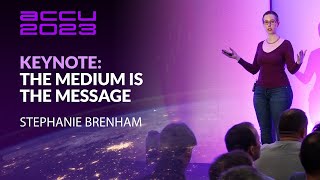
Development Environments Shape Programming Solutions
Explore how different development environments shape tech creation across research, prototyping, software products, video games, and game engines, highlighting unique challenges and methods in each field.
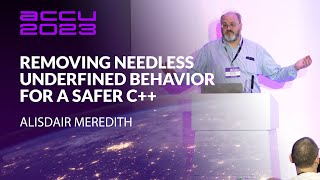
Removing Needless Undefined Behavior for a Safer C++
Explore strategies to eliminate undefined behavior in C++, enhancing safety and security. Learn about potential fixes, well-defined behavior, and the role of contracts in mitigating risks.
Design Patterns - Examples in C++
Explore essential C++ design patterns to enhance code robustness and readability. Learn practical techniques for efficient software development and improve your programming skills.
Managing External APIs in Enterprise Systems
Explore techniques for encapsulating external APIs in enterprise systems, focusing on efficient interfaces, managing changing requirements, and minimizing codebase impact through abstraction.

C++ Standard Views - The Design, the Traps, and How to Use Them and How to Use Something Better
Comprehensive exploration of C++20 views, their design challenges, pitfalls, and practical usage. Discusses alternatives and improvements for better implementation in C++ programming.

Software Development - Social, Environmental and Economic Sustainability
Explore how agile practices can reduce energy consumption and promote environmental, social, and economic sustainability in software development, with practical insights and assessment tools.

Lessons from 20 Years of Debugging C++ Code
Comprehensive guide to debugging C++ code, covering crash analysis, reproducibility, bug localization, and effective fixes. Insights from real-world examples and practical tools for efficient problem-solving.
A Tour of C++ Recognised User Type Categories
Explore C++ user type categories, their advantages, and pitfalls. Learn about trivial, standard layout, implicit-lifetime, aggregate, literal, and structural types to write better code and avoid undefined behavior.
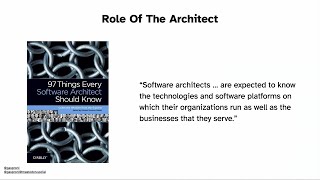
Becoming a Head of Software Architecture - You are in Charge, Now What?
Guidance for new Heads of Software Architecture: strategies to deliver value, shape legacy systems, and work effectively with teams while navigating organizational politics and decision-making processes.