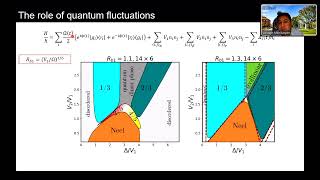
Quantum Phases of Rydberg Atoms on Shastry-Sutherland Lattice
Explore quantum phases and critical points of Rydberg atoms in frustrated Shastry-Sutherland lattice, validated through experimental testing on QuEra's quantum computer.

New EEVEE Features in Blender 4.3 - A Complete Guide
Discover the latest EEVEE enhancements in Blender 4.3, from improved lighting and shadows to advanced material options, helping you create stunning real-time renders more efficiently.
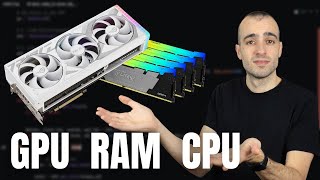
Perfect PC for AI, Object Detection and LLMs - Complete Guide
Learn how to build the optimal PC setup for AI development, focusing on computer vision, object detection, and large language model implementation.
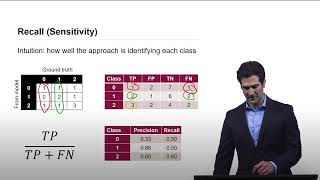
Performance Measurement for Machine Learning
Master essential metrics and techniques for evaluating machine learning models, from accuracy assessment to advanced performance measurements in AI applications.

Crafting Exceptional Product Experiences - FFDC 2024
Discover essential principles for creating impactful product experiences through practical design tips, from maintaining consistency to implementing effective user feedback and responsible development practices.

Neuroscience and AI - What Artificial Intelligence Teaches Us About the Brain and Vice Versa
Explore the fascinating intersection of neuroscience and AI with Stanford expert Surya Ganguli, examining how modern AI systems inform our understanding of biological intelligence and brain function.
dperf - A 100Gbps Network Load Tester for L4 Load Balancers
Discover how to leverage dperf, a DPDK-based network load tester, to generate massive traffic for L4 load balancer testing with capabilities reaching 100Gbps throughput and billions of concurrent connections.
VDUSE Performance - A Comparison with Vhost-user and VETH Solutions
Dive into VDUSE performance metrics and comparisons with Vhost-user and VETH pairs in virtual networking environments, exploring acceleration techniques for packet processing.
Bytebricks - A Generic High Performance VPN Framework
Discover how to build high-performance VPN frameworks using DPDK's graph library, focusing on multi-core scalability and protocol flexibility through the Bytebricks implementation example.
Cloud Native Virtual DPDK Cell Site Router for 5G ORAN Networks
Explore high-performance cloud-native virtual cell-site routing using DPDK for 5G ORAN networks, featuring advanced networking capabilities and integration with Juniper's routing protocol daemon.

DPI-Enhanced DPDK for 5G User Plane - Network Performance and Protocol Analysis
Discover how DPI-Enhanced DPDK optimizes 5G User Plane performance through rte_flow, RSS, and offloading features, while exploring application-centric testing for modern telecommunications.
Unified Representor with Large Scale Ports for Network Management
Discover how to efficiently manage large-scale network ports using unified representors, optimizing memory usage and CPU cycles while handling thousands of ports through proxy port queues and switch representors.
GRO Library Enhancements - Optimizing Flow Processing and Timeout Configuration
Discover optimization techniques for DPDK's GRO library through hash-based solutions and configurable timeout implementations for enhanced network packet processing efficiency.

New Asymmetric Crypto Algorithm in DPDK - EdDSA
Discover how EdDSA enhances data security through fast, deterministic signatures and learn its implementation in DPDK for accelerated TLS 1.3 session management and improved cryptographic operations.
Continuous Packet Offloading with Update Rule in DPDK
Discover how to implement atomic updates in DPDK rte_flow rules using the new actions_update() API, ensuring zero packet loss during rule modifications and steering operations.
Getting GPUDirect to Work with Broadcom NICs
Discover how to integrate Broadcom NICs with NVIDIA GPUs for enhanced packet processing using GPUDirect RDMA, exploring necessary DPDK ecosystem modifications and implementation steps.
PTYPE Matching as a Fast Way to Steer Network Traffic
Discover how PTYPE matching simplifies protocol layer identification in DPDK, enabling efficient traffic steering without complex header stacking requirements for improved network performance.
How to Write and Run Tests in the New DPDK Test Framework
Discover how to create and implement test suites in DPDK's new testing framework, including API usage, suite creation, and practical demonstrations.
Fast and Secure: DPDK Meets Confidential Computing
Discover how to integrate DPDK applications with Confidential Computing technologies, addressing challenges in memory management, optimization, and cross-platform compatibility for secure cloud deployments.
Challenges Faced When Building Various DPDK-based Applications
Explore real-world challenges and solutions in migrating Linux networking applications to DPDK, focusing on performance optimization and practical implementation strategies.
High Performance Elephant Flow Detection Algorithm on DPDK
Discover high-performance network monitoring techniques using sketch-based algorithms for efficient elephant flow detection and DDOS prevention with optimized DPDK implementation.