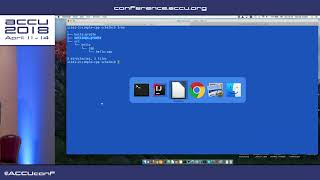
Building Modern Native Applications with Gradle
Explore modern native application development using Gradle, covering C/C++, D, Rust, Go, cross-platform builds, and integration with tools like GNU Make, CMake, Doxygen, and Conan.
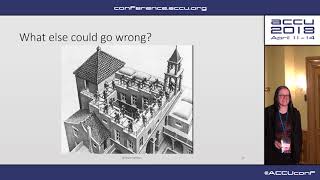
Turtles! Hill Climbing! Hammers! Paper Bags!
Explore optimization techniques through turtle graphics, from hill climbing to simulated annealing, laying the groundwork for understanding neural networks and machine learning concepts.
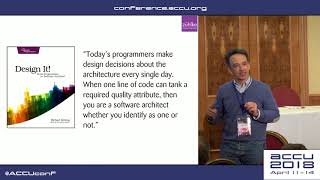
Creating an Incremental Architecture for Your System
Learn to create flexible software architecture incrementally, balancing upfront design with adaptability. Discover techniques for evolving system design as requirements change, focusing on key qualities and delaying non-critical decisions.
Class Template Argument Deduction in C++17
Comprehensive introduction to Class Template Argument Deduction in C++17, covering usage, benefits, pitfalls, and language rules for cleaner, shorter code in both standard library and custom classes.
Linux User - Kernel ABI - The Realities of How C and C++ Programs Really Talk to the OS
Explore the intricacies of Linux system calls, signal handlers, pthreads, and ptrace. Gain insights into low-level interactions between C/C++ programs and the operating system for advanced debugging and optimization.
Kotlin - Native – Embracing Existing Ecosystems
Explore Kotlin/Native's potential for native app development, focusing on its interoperability with existing platforms and advantages over C in terms of conciseness and readability.
Tales of C, the 6502 and the BBC - With Added Python
Explore the journey of creating a C compiler for the BBC Micro using Python, delving into 80s computing, assembly language, and modern programming techniques.

Nothing Is Better Than Copy or Move
Explore C++ move semantics, copy elision, and temporary materialization through practical examples, focusing on efficient object creation and optimization techniques.

Procedural Programming - It’s Back? It Never Went Away
Explore procedural programming's enduring relevance, its influence on language design, and its relationship with functional and OO paradigms in modern software development.
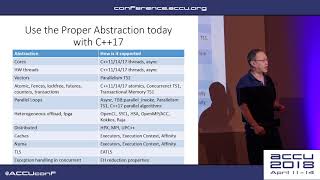
Heterogeneous Programming in C++ Today
Explore the evolving landscape of heterogeneous parallelism in C++, including standards, specifications, and future applications in IoT, self-driving cars, and machine learning.
C++ Today - The Beast is Back
Explore C++'s resurgence, its historical significance, and why it remains the top choice for performance-driven software engineering in modern computing environments.
Scheme Lisp - Feel the Cool
Explore Scheme Lisp's elegance and influence on modern programming. Learn fundamental concepts, syntax, and advanced features through simple examples and "weird" but powerful techniques.
Cryptography for Programmers
Explore cryptographic techniques and their software applications in this programmer-focused introduction, covering key concepts, APIs, and security measures for today's hostile digital landscape.
Swift Driven Development
Explore Swift-specific TDD techniques, leveraging language features and tooling to maximize productivity and code quality. Live demo showcases practical application.
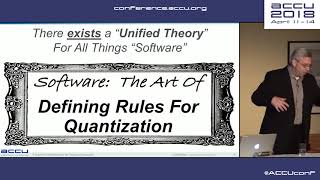
A Quantum Data Structure For Classical Computers
Explore quantum data structures for classical computers, covering quantum interference, entanglement, and coherence. Learn C++ implementations and new design approaches for emerging hardware.
Best Practices When Accessing Big Data or Any Other Data
Explore best practices for efficient data access on local and shared file systems, backed by real-world examples. Learn to improve performance, reliability, scalability, and portability in data-intensive applications.
CPU Optimized Data Structures - More Fun With Assembler
Explore CPU-optimized data structures for poker hand evaluation using assembler, comparing performance with C++ and leveraging SIMD instructions on x86-64 architecture.
Regular Types and Why Do I Care
Explore the concept of Regular Types in C++ programming, their importance in STL design, and their impact on everyday coding practices. Learn about foundational concepts, common pitfalls, and best practices.
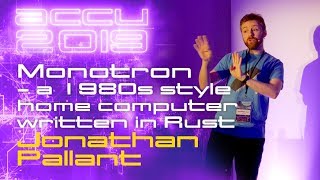
Monotron - A 1980s Style Home Computer Written in Rust
Explore building a retro-style computer using Rust, covering VGA output, PS/2 keyboard input, audio generation, and embedded systems challenges on modern hardware.
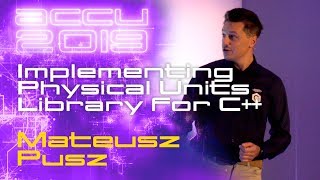
Implementing Physical Units Library for C++
Explore challenges and solutions in designing a Physical Units Library for C++, leveraging C++20 features for improved usability, maintainability, and extensibility.
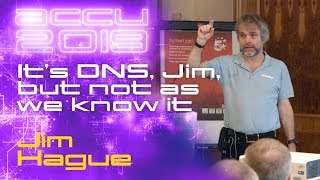
It's DNS, Jim, but Not as We Know It
Explore recent DNS advancements, including privacy features like DoT and DoH, and their impact on developers and systems. Learn about the latest technologies and navigating DNS RFCs.