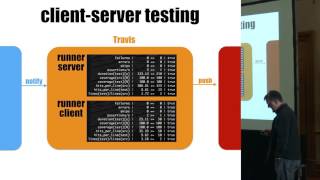
Design and Evolution of Cyber-Dojo
Explore the evolution of cyber-dojo, covering microservices, testing strategies, and architectural decisions in this update on the open-source coding dojo platform.
DNS at 30
Explore DNS evolution, DNSSEC, and emerging technologies in this comprehensive overview, covering authentication, privacy, and practical applications for developers.
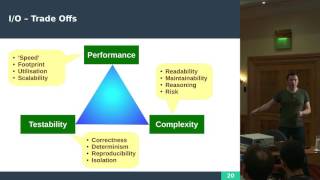
History of Time - Asynchronous C++
Explore the evolution of I/O-centric software development, focusing on asynchronous C++ techniques. Learn about trade-offs, efficiency, and correctness in handling I/O operations across different programming paradigms.
AI - Actual Intelligence
Explore the complexities of artificial intelligence, its implications for human identity, and the challenges of machine-driven information gathering and processing in modern society.
Functional Programming for the Web with Elm
Explore Elm, a functional language for reliable web apps. Learn syntax, tooling, and architecture while discovering its benefits for web development and functional programming.
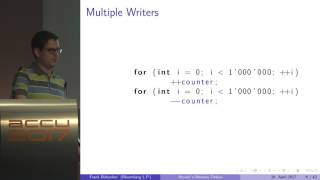
Atomic's Memory Orders, What For?
Demystifying C++11 Memory Model: Explore atomic variables, memory orders, and their impact on multithreading. Gain insights into compiler optimizations, CPU execution, and efficient inter-thread communication.

Lock-Free Programming with Modern C++
Comprehensive introduction to lock-free programming using modern C++, covering std::atomic, memory models, and practical implementations of thread-safe data structures for low-latency applications.
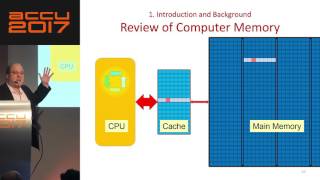
Local - Arena Memory Allocators
Explore memory allocation strategies for performance optimization in long-running systems, focusing on local allocators' benefits over global ones and their impact on runtime efficiency.
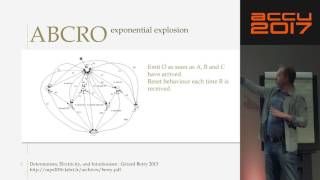
Coroutines and C++ DSLs for Human Scale Concurrency
Explore C++ coroutines and DSLs for simplified concurrency programming, focusing on practical applications beyond generators and async I/O in Visual Studio 2015.
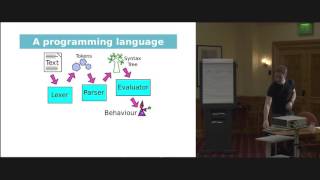
How to Write a Programming Language
Explore the process of creating a simple programming language interpreter, covering lexing, parsing, and evaluation, using Python to implement a basic language called Cell.
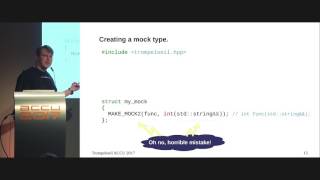
Using Trompeloeil, a Mocking Framework for Modern C++
Explore Trompeloeil, a C++14 mocking framework, through TDD. Learn basic to advanced usage, testing patterns, and techniques for effective unit testing in modern C++ development.
Standardised Coroutine Concurrency in Python 3
Explore coroutine-based concurrency in Python 3, from building a simple framework to using async/await and asyncio. Learn practical applications and abstractions for efficient, easy-to-debug concurrent programming.

Thinking Outside the Synchronisation Quadrant
Explore concurrency beyond traditional thread synchronization, covering immutability, actors, and alternative patterns for efficient and safe parallel programming in various languages.
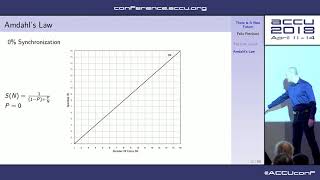
There Is a Better Future
Explore advanced concurrency concepts, including improved futures and CSP channels, for creating efficient parallel task graphs and addressing limitations in std::future.
Finally Executors for C++
Explore C++ executors for asynchronous and parallel programming, covering motivation, requirements, interfaces, and practical examples. Learn about recent proposal developments and interactions with coroutines.
Read and Write Considered Harmful
Explores differences between reading and writing data across various topics, offering alternative approaches for improved system design and architecture.
Mocking Frameworks Considered Harmful
Explore test automation challenges, mocking frameworks' drawbacks, and alternative approaches for effective unit testing in C++. Learn refactoring techniques and simpler mocking solutions.
Parallel Design Patterns and Stream Parallelism
Explore parallel design patterns and stream parallelism using GrPPI, an experimental library for expressing parallelism through patterns, with focus on composability and multiple back-end support.
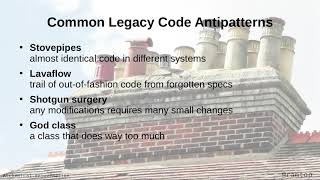
Alchemical Code Rejuvenation
Hands-on workshop exploring techniques to refactor legacy code efficiently, focusing on separating and disentangling small bits of code at a time without risky rewrites. Learn to apply TDD for sustainable design in big code bases.
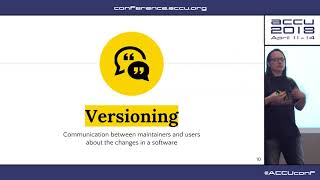
C++ API & ABI Versioning
Explore C++ API & ABI versioning techniques, focusing on compatibility, breaking changes, and versioning strategies to maintain libraries and adapt to client needs over time.
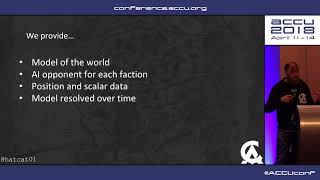
Total War - How AI Can Deliver Entertainment
Explore AI techniques in Total War games, focusing on Monte Carlo Tree Search, profiling, and optimization for complex strategy environments with limited resources.