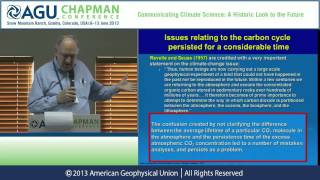
Retrospective on Early Climate Science: A Physical Scientist's Point of View
Explore early climate science through a physical scientist's perspective, covering key figures, models, and milestones in understanding climate change and its implications.
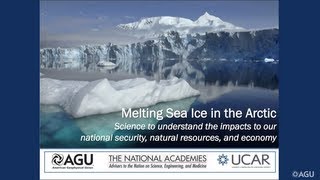
Melting Sea Ice in the Arctic - Five Myths and Current Research
Explore Arctic sea ice myths, current data, climate models, and societal impacts. Learn about unprecedented ice loss and the potential for a seasonal ice-free Arctic from expert speakers.
Climatic Controls on Net Ecosystem Exchange - Part 2
Explore cutting-edge research on climate's impact on ecosystem carbon exchange, featuring studies on North American forests, drought effects, and photosynthetic capacity across various landscapes.
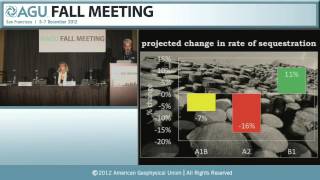
Carbon Storage in Western U.S. Ecosystems - USGS Report Findings
Explore USGS findings on carbon storage in Western U.S. ecosystems, covering 2 million square miles. Learn about current sequestration rates and future projections under various scenarios.
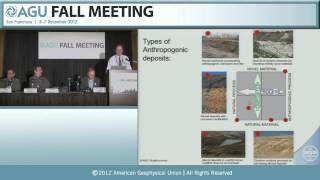
Setting Boundaries for the Anthropocene
Exploración del Antropoceno: científicos debaten su definición como época geológica, analizando marcadores estratigráficos y el impacto humano en el planeta a través de fósiles, contaminantes y alteraciones del terreno.
Cryospheric Contribution to Sea Level Rise - Current Estimates and Projections - Part 1
Explore current research on ice sheet mass balance, glacier melt, and sea level rise projections. Gain insights into cryospheric changes and their global impacts from leading climate scientists.
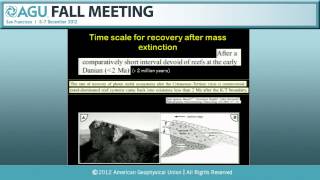
Ocean Acidification: Impacts and Challenges - Special Lecture
Explores the impacts of rising CO2 levels on ocean chemistry and marine life, discussing potential consequences for calcification, adaptation, and ecosystem survival in the face of rapid acidification.
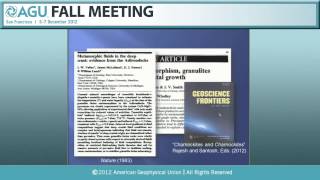
Deep Crustal Metamorphic Carbon Cycling in Collisional Orogens - Daly Lecture
Explore deep crustal metamorphic carbon cycling in mountain belts, examining CO2 release processes, flux rates, and potential impacts on global carbon cycles and climate change.
Successful Predictions in Climate Science - Tyndall Lecture
Explores climate science predictions, from early CO2 warming theories to modern planetary studies. Highlights key successes in forecasting global climate patterns and their implications for Earth and exoplanets.
Climate Change and Cryospheric Systems - Part I
Explore climate change impacts on cryospheric systems through expert presentations on mountain glaciers, ice caps, and permafrost. Gain insights into past climate reconstructions and future projections for Earth's frozen regions.
Early Snowmelt Effects on Rocky Mountain Ecosystems
Explore the ecological impacts of early snowmelt in the Rocky Mountains, including disruptions to plant growth cycles and cascading effects on animal species, based on observations from the unusual winter of 2011-2012.
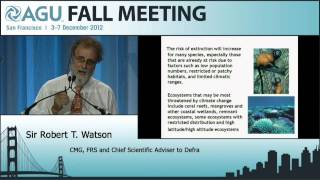
Frontiers of Geophysics Lecture - Fall Meeting 2012
Explore climate change impacts, mitigation strategies, and policy implications with Professor Sir Bob Watson in this insightful AGU Fall Meeting lecture on geophysics frontiers.
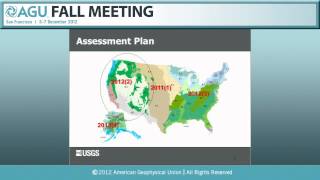
Impacts of Extreme Climate Events and Disturbances on Carbon Dynamics - Part 1
Explore cutting-edge research on extreme climate events' impacts on carbon dynamics, featuring studies on soil respiration, bark beetle outbreaks, droughts, and tropical cyclones.
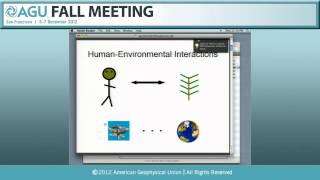
The Future of Human-Landscape Systems - Part 2
Explore the future of human-landscape interactions, discussing driving forces, global shaping, and sustainability challenges in the Anthropocene era.
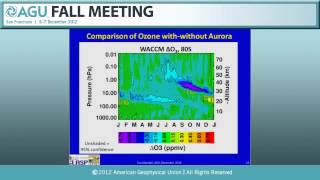
New Atmospheric Sciences Fellows Presentations - Session II
Presentations by new Atmospheric Sciences Fellows on climate change, Earth system models, particle precipitation, stratospheric aerosols, and precipitation processes in climate models.
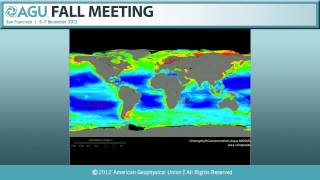
The Race to Understand a Changing Planet - Sagan Lecture 2012
Exploring Earth's rapidly changing climate, the lecture discusses advancements in climate modeling, satellite observations, and field experiments to improve future climate projections for informed decision-making.
Advancing Drought Monitoring and Prediction - Part II
Explore cutting-edge drought monitoring and prediction techniques, including global information systems, seasonal forecasting, and climate change impacts, with applications for decision-making in water resource management.
Disturbance Impacts and Responses in Ecosystems - Part 2
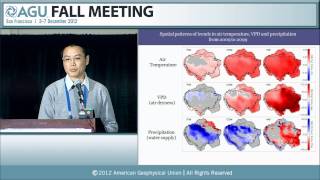
Explore ecological disturbances' impacts on biodiversity, climate, and ecosystems. Topics include invasive species, land-use changes, wildfires, and tree harvests across various biomes and their long-term consequences.
Climate Change and Its Impact on Ancient Civilizations
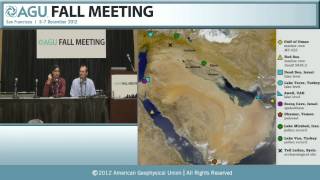
Explore how climate change influenced ancient civilizations in the Middle East and Indian subcontinent, examining archaeological evidence and climate records to understand societal shifts.
Superstorm Sandy, Black Swan Cyclones and Economic Impact - AGU Fall Meeting 2012
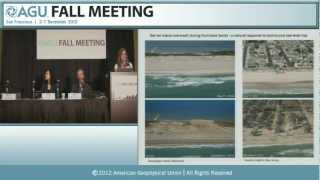
Experts discuss Superstorm Sandy's impact, future storm risks, and economic consequences. New data on coastal effects, forecasts, and the possibility of unprecedented cyclones in atypical regions are presented.
The North American Regional Climate Change Assessment Program - Overview and Results
Comprehensive overview of North American climate change research, covering regional simulations, impact assessments, and future projections across various environmental domains.