
Drone Attacks on Industrial Wireless - A New Front in Cyber Security
Explore emerging drone threats to industrial wireless systems, electronic warfare concepts, and defensive strategies for protecting critical infrastructure from cyber-physical attacks.

Adaptive Kernel Live Patching - An Open Collaborative Effort
Innovative framework for adaptive Android kernel live patching, enabling open and collaborative efforts to address vulnerabilities quickly without interrupting user experience or requiring source code access.
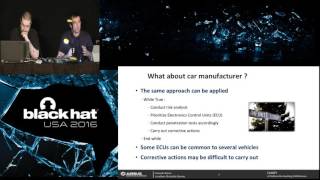
CANSPY - A Platform for Auditing CAN Devices
Explore CANSPY, a platform for auditing CAN devices in vehicles. Learn to intercept, modify, and analyze CAN frames for security testing of automotive systems and connected devices.
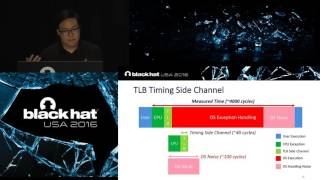
Breaking Kernel Address Space Layout Randomization - KASLR - With Intel TSX
Explore a novel timing side-channel attack against KASLR using Intel TSX, demonstrating its effectiveness in de-randomizing kernel memory layout across major operating systems.

Pwning Your Java Messaging With Deserialization Vulnerabilities
Explore Java messaging vulnerabilities, focusing on deserialization issues in popular message brokers. Learn to identify and exploit these weaknesses using the Java Messaging Exploitation Tool.

GreatFET - Making GoodFET Great Again
GreatFET: An improved open-source hardware hacking tool with enhanced features, better maintainability, and cost-effective manufacturing, replacing the popular GoodFET project.
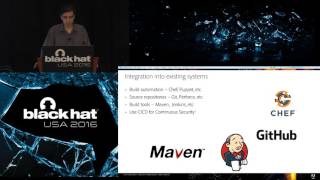
Design Approaches for Security Automation
Explore criteria for designing and evaluating security automation tools, from small-scale techniques to large-scale implementations, to effectively secure organizational environments.
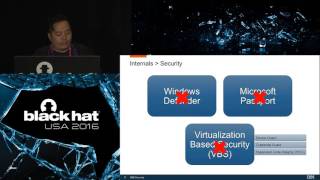
Into the Core - In-Depth Exploration of Windows 10 IoT Core
Explore Windows 10 IoT Core internals, security features, attack surfaces, and assessment methods. Learn to secure IoT devices and understand their role in the evolving Internet of Things landscape.
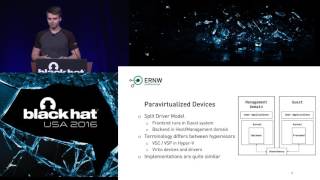
Xenpwn - Breaking Paravirtualized Devices
Explore vulnerabilities in paravirtualized devices using Xenpwn, a hypervisor-based memory access tracing tool, to discover critical security flaws in Xen hypervisor drivers.
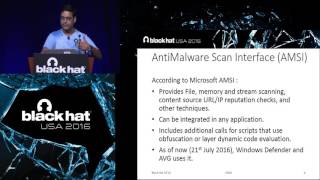
How Windows 10 Plans to Stop Script-Based Attacks and How Well It Does It
Explore Windows 10's AntiMalware Scan Interface (AMSI) for script-based attack prevention. Discover its effectiveness, limitations, and potential workarounds through live demonstrations and expert analysis.
How Vulnerable Are We to Scams?
Explore the evolving landscape of Internet scams, their increasing sophistication, and user vulnerability. Learn about targeted attacks, spam filter effectiveness, and factors influencing scam susceptibility.

Crash & Pay - How to Own and Clone Contactless Payment Devices
Explore NFC payment vulnerabilities, cloning techniques, and security mechanisms. Learn to set up a testing lab and conduct fraudulent transactions using off-the-shelf devices.
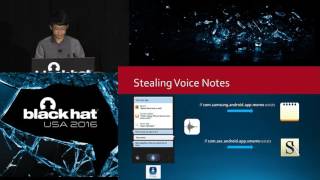
Dangerous Hare - Hanging Attribute References Hazards Due to Vendor Customization
Explores security vulnerabilities in customized Android systems, revealing how malicious apps can exploit hanging attribute references to gain unauthorized access and control over device functions.
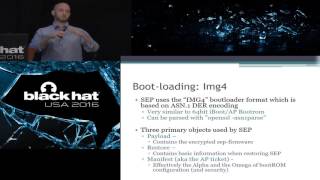
Demystifying the Secure Enclave Processor
Explore Apple's Secure Enclave Processor: its hardware design, SEPOS architecture, data exchange mechanisms, and potential vulnerabilities in this in-depth technical analysis.

Hacking Next-Gen ATMs - From Capture to Cashout
Explore advanced ATM hacking techniques, including bypassing anti-skimming methods, NFC long-range attacks, and automated cash-out systems. Learn about vulnerabilities in EMV implementations and future credit card data risks.
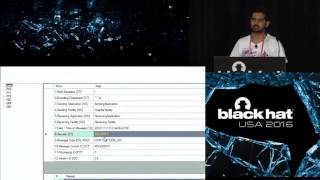
Understanding HL7 2.X Standards - Pen Testing - and Defending HL7 2.X Messages
Explore HL7 2.X standards in healthcare, learn pen testing techniques for medical systems, and discover strategies to secure HL7 2.X messages against potential vulnerabilities and attacks.
Analysis of the Attack Surface of Windows 10 Virtualization-Based Security
Explore Windows 10's virtualization-based security, its implementation details, and potential vulnerabilities. Includes demonstrations of exploits against VBS and firmware, with a focus on platform complexity issues.
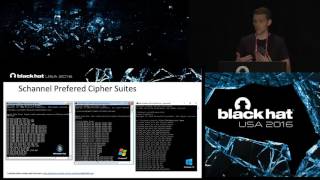
Cunning With CNG - Soliciting Secrets From Schannel
Explore Schannel's internal security, CNG key caching, and forensic implications. Learn to extract and leverage TLS/SSL connection data for decryption and analysis of ephemeral key exchanges.
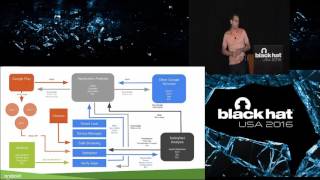
The Art of Defense - How Vulnerabilities Help Shape Security Features and Mitigations in Android
Explore Android's evolving security landscape, examining threats, vulnerabilities, and defensive measures. Learn how the Android Security Team addresses challenges and implements new features to protect users.
Advanced CAN Injection Techniques for Vehicle Networks
Explore advanced techniques for injecting CAN messages into vehicle networks, bypassing restrictions on physical control systems like brakes, steering, and acceleration.
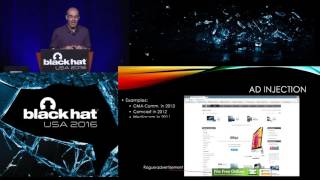
TCP Injection Attacks in the Wild - A Large Scale Study
Comprehensive survey of TCP injection attacks, revealing commercial and non-commercial false content injections on the web. Explores detection methods, identifies injectors, and proposes client-side mitigation techniques.