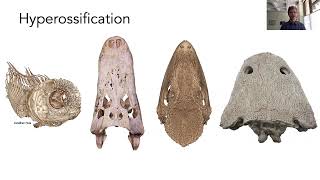
Evolution of Hyperossification and Tooth Loss in Living and Fossil Frogs
Explore frog skull diversity, hyperossification patterns, and tooth loss evolution across amphibian lineages, revealing insights into frog morphology, systematics, and paleobiology.
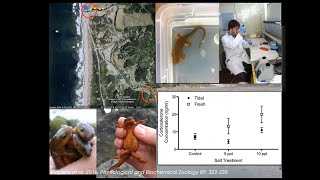
From Salty Salamanders to Bright Bugs - An Evolutionary Perspective on Life in Stressful Environments
Explore rapid evolution in response to environmental stressors like light pollution and water salinization, and its implications for species survival in human-altered ecosystems.
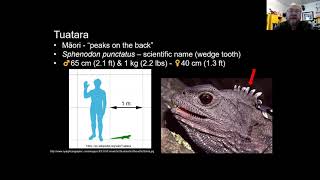
The Evolutionary History of Tuatara and its Extinct Relatives
Explore the fascinating evolution of Tuatara and its extinct relatives, uncovering new insights from a fossil discovery in Wyoming that sheds light on the morphology and history of these ancient reptiles.
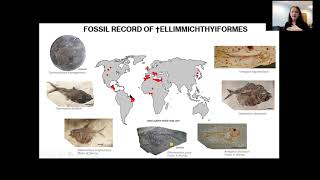
The Fossil Record and Evolution of the Modern Herring - An Evolutionary Success Story
Explore the 130-million-year journey of herrings and related species, from their origins to becoming one of today's most abundant fish groups, surviving extinctions and climate changes.
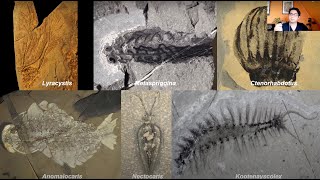
Worms from the Rocks - Burgess Shale Fossils and the Cambrian Explosion
Explore the Cambrian Explosion through Burgess Shale fossils, revealing insights into hemichordate origins and early animal evolution. Discover surprising morphological and ecological characteristics of ancient marine worms.
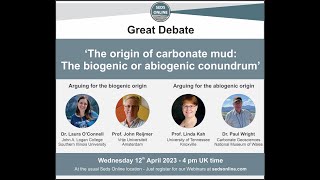
The Origin of Carbonate Mud - Biogenic vs Abiogenic Theories
Explore the debate on carbonate mud formation: biogenic vs. abiogenic theories. Examine evidence, processes, and environmental factors influencing this crucial marine sediment's origin.
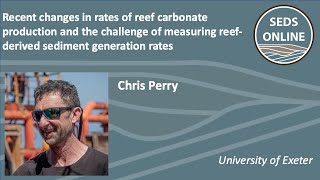
Reef Carbonate Production and Measuring Reef-Derived Sediment Generation Rates
Explore recent research on coral reef carbonate production, ecological impacts on reef growth, and challenges in quantifying sediment generation rates for reef-building and coastal environments.
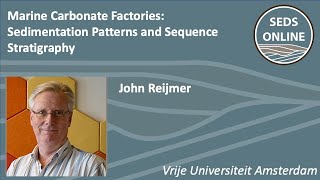
Marine Carbonate Factories: Sedimentation Patterns and Sequence Stratigraphy
Explore marine carbonate sediment production systems, their controlling factors, and unique sequence stratigraphic patterns for different carbonate factories in various environmental settings.
Viruses in Carbonate Precipitation - The New Frontier in Earth Sciences
Explore the geological history of viruses, their preservation in fossils, and their environmental roles. Discover the surprising impact of these microscopic entities on Earth's history and ecosystems.
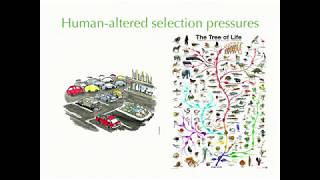
Evolution in a Rapidly Changing World - Human Impact on Evolutionary Trajectories
Explore how human activity is altering the evolutionary trajectory of life on Earth, with insights from Dr. Sarah Otto of the University of British Columbia.
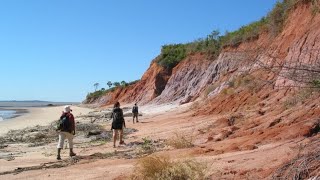
The Origins and Evolution of Madagascar's Modern Vertebrates
Explore Madagascar's unique biodiversity, fossil discoveries, and evolutionary history. Learn about the island's geological past and efforts to preserve its remaining species.
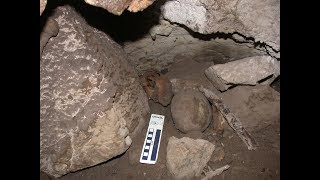
Looking for Fossils in Underground Caves - Ice Age Deposits in Western North America
Explore ice age cave deposits across western North America, uncovering mammalian fossils and their significance in understanding biological changes and biogeographic distributions during the last glacial period.
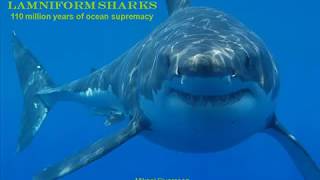
Lamniform Sharks - 110 Million Years of Ocean Supremacy
Explore the 110-million-year reign of lamniform sharks, from their evolution to their dominance in Earth's oceans, in this paleontological journey through time.
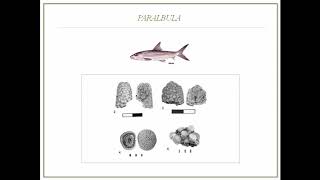
Nonmarine Teleost Fishes from the Late Cretaceous and Early Paleocene of North America
Explore Late Cretaceous and Early Paleocene nonmarine teleost fishes in North America through vertebrate microfossil evidence, presented by Dr. Donald Brinkman of the Royal Tyrrell Museum.
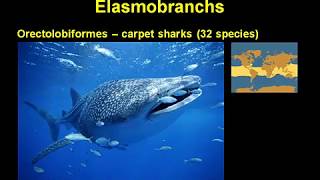
Freshwater Sharks and Rays of the Scollard Formation, Alberta - Paleontological Insights
Explore freshwater sharks and rays from Alberta's Scollard Formation, uncovering their unique characteristics and evolutionary significance in this paleontological investigation.
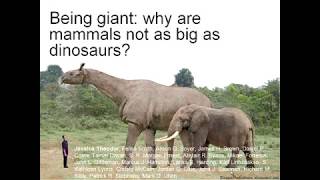
Being Giant: Why Are Mammals Not as Big as Dinosaurs?
Explore the evolutionary factors limiting mammal size compared to dinosaurs in this fascinating paleontological presentation by Dr. Jessica Theodor from the University of Calgary.
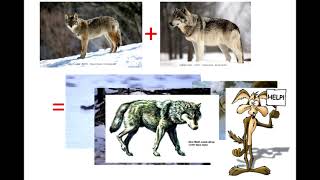
The End of the Ice Age - Ecology, Functional Morphology, and Megafaunal Response to a Changing World
Explore megafaunal ecology and morphology during the Ice Age's end, examining how changing environments impacted prehistoric species and their adaptations.
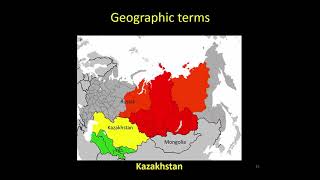
Mesozoic Salamanders from Siberia, Kazakhstan, and Middle Asia
Explore ancient salamander fossils from Central Asia, uncovering their evolution and significance in Mesozoic ecosystems through cutting-edge paleontological research.
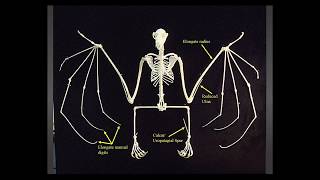
Fossils of the Night: The History of Bats Through Time
Explore the fascinating evolutionary journey of bats through fossil evidence, tracing their origins and adaptations over millions of years with expert insights from Dr. Gregg Gunnell.

The Rhetoric of Intelligent Design
Explore the persuasive strategies used by Intelligent Design proponents and their impact on science education and public understanding of evolution.
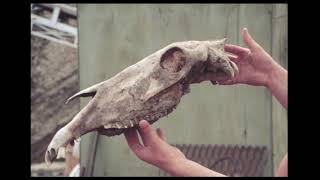
Extinction of Mainland and Island Mammoth Populations in Alaska 6,000 Years Ago
Explore new research on mammoth extinctions in Arctic North America, including the final demise of a population on St. Paul Island, Alaska, 6000 years ago.