The Silence of the Lambs - Inspecting Source Code and Binaries
Explore DevOps tools for inspecting Java source code and Docker images in Continuous Delivery pipelines, focusing on security and quality gates with SonarQube and Twistlock.
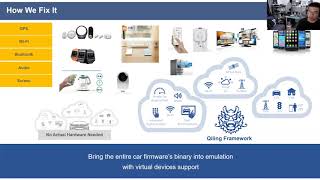
Qiling Framework with IDA Pro
Explore Qiling Framework's sandbox emulation capabilities with IDA Pro for cross-platform binary analysis, fuzzing, and dynamic MBR analysis. Learn to build custom analysis tools using Python APIs.
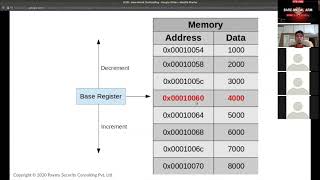
Writing Bare-Metal ARM Shellcode
Learn to write ARM shellcode for IoT devices, covering ARM architecture, system calls, and techniques for creating compact, reliable payloads. Includes hands-on labs and a demo of exploiting an ARM-based IoT device.
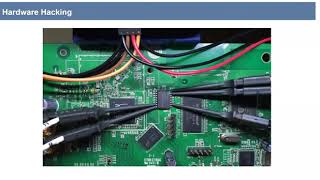
Qiling Framework - Build a Fuzzer Based on a 1day Bug
Learn to build a fuzzer using Qiling Framework, exploring cross-platform binary analysis and leveraging 1day bugs to potentially uncover 0day vulnerabilities. Hands-on lab covers installation, fundamentals, and advanced techniques.
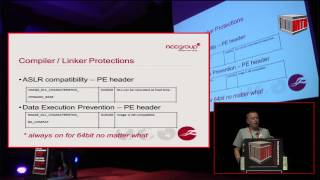
Finding the Weak Link in Binaries
Comprehensive review of binary defenses across formats, OSs, and compilers. Learn to detect and understand modern protective mechanisms without source code access.
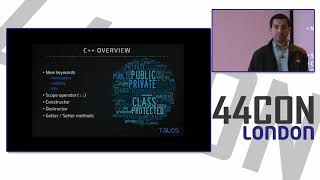
Introduction to Reverse Engineering C++
Learn techniques for reverse engineering C++ programs, including analyzing compiled code, understanding memory layouts, and identifying key structures. Gain practical skills for software analysis and security research.
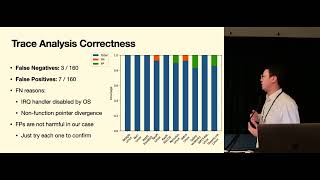
IRQDebloat - Reducing Driver Attack Surface in Embedded Devices
Explore techniques to reduce attack surfaces in embedded device drivers through IRQ debloating, binary analysis, and fuzzing. Learn about challenges, implementation, and evaluation methods.

OSPREY - Recovery of Variable and Data Structure via Probabilistic Analysis for Stripped Binary
Explore probabilistic analysis techniques for recovering variables and data structures from stripped binaries, enhancing reverse engineering capabilities.
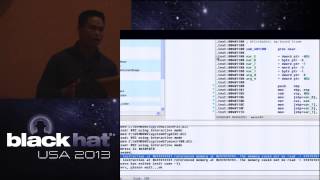
How to Grow a TREE from CBASS
Innovative binary analysis toolset for cross-platform programs. Integrates with IDA Pro, enabling interactive visualization and on-demand analysis for efficient reverse engineering and vulnerability detection.
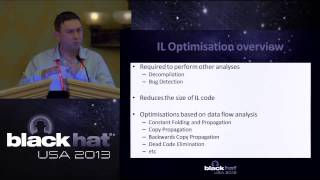
Detecting Bugs Using Decompilation and Data Flow Analysis
Explore Bugwise, a free online service for detecting software bugs through decompilation and data flow analysis, showcasing its success in finding vulnerabilities in Debian Linux.
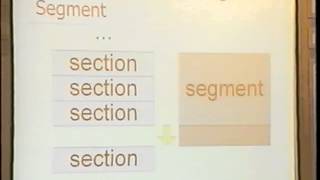
Fixing - Making Holes in Binaries
Explore techniques for modifying binary files to fix vulnerabilities or create new exploits. Learn about reverse engineering and binary manipulation for security research.

CodeQL - Also a Powerful Binary Analysis Engine
Unveiling CodeQL's potential as a binary static analysis tool, exploring its engine capabilities and applications beyond traditional static analysis for enhanced software security.
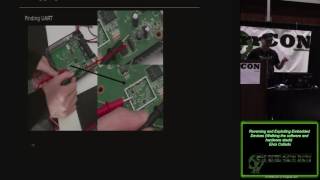
Reversing and Exploiting Embedded Devices - Walking the Software and Hardware Stack
Explore embedded device security through reverse engineering and exploitation techniques, covering software analysis, hardware examination, and practical debugging methods.
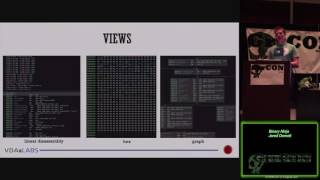
Binary Ninja
Explore advanced binary analysis techniques using Binary Ninja, enhancing reverse engineering skills and understanding of complex software systems.

QEMU-Native Hooking Bridge for Binary Fuzzing
Explore advanced binary fuzzing techniques through QEMU-Native Hooking Bridge, offering improved instruction hooking and memory control for efficient vulnerability detection in compiled code without source access.
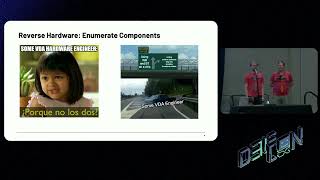
VDA Shenanigans: Attacking and Defending Vehicle Diagnostics Adapters
Dive into vehicle diagnostics adapter security through hardware reverse engineering, firmware analysis, and defensive strategies for automotive systems protection.
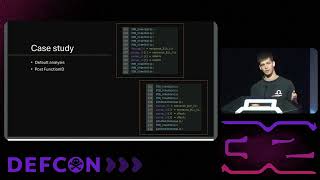
No Symbols When Reversing? No Problem - Bring Your Own Symbols for Binary Analysis
Discover efficient techniques for analyzing unknown functions in binaries, focusing on portable symbol creation and management using Ghidra, with practical examples from Golang-based malware analysis.

Installing and Using Jackalope Fuzzer on MacOS - Finding Vulnerabilities in Simple Programs
Install and use jackalope fuzzer on MacOS to find vulnerabilities in binary programs. Learn cloning, compilation, command options, and practical fuzzing techniques.

Crosys: Cross Architectural Dynamic Analysis for IoT Malware
Explore Crosys, a novel method for dynamic analysis of multi-architectural binaries through intermediate language interpretation and binary rewriting, addressing IoT malware analysis challenges.
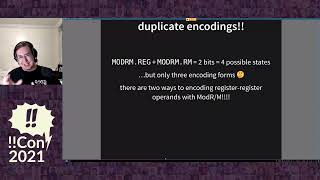
Hiding Messages in x86 Programs: A Steganography Trick - !Con 2021
Discover a unique steganographic technique to hide messages within x86 programs. Explore x86 architecture and learn a clever trick in instruction encoding for covert communication.

TCG Plugin System in QEMU: Current State and Future Directions
Explore QEMU's TCG plugin system evolution, recent enhancements, and potential future directions for advanced instrumentation and analysis capabilities in system emulation.