
Finding Harmony in Anime Style and Physically Based Rendering
Explore rendering techniques for creating physics-based anime-style worlds in games. Learn about deferred rendering, lighting, shadowing, and post-processing to blend modern graphics with toon shading.
Eos is Alive - The AI Systems of Final Fantasy XV
Explore Final Fantasy XV's innovative AI systems: AI Director, Meta AI, and Animation System. Learn how Square Enix optimized reusability and efficiency in game development.

The Sound of Horror - Resident Evil 7 - Biohazard
Capcom's audio team reveals innovative techniques for creating immersive, realistic sound in Resident Evil 7, covering music, foley, character textures, and automated triggers.

Character Pipeline and Customization System for Far Cry Primal
Explore Ubisoft's innovative character pipeline for Far Cry Primal, transitioning from 3DS Max to a cross-software approach using Python and ShaderFX, enhancing efficiency and customization in game development.
Math for Game Programmers - Harmonic Functions and Mean-Value
Explore harmonic functions and mean-value parameterizations for procedural geometry in game development, with applications in mesh manipulation and UV generation.
Creating the Musical Identity and Style of Your Game
Explore techniques for crafting a game's musical identity, from articulating vision to executing ideas. Learn how developers and composers can collaborate effectively to create impactful game soundtracks.

High Dynamic Range Color Grading and Display in Frostbite
Explore Frostbite's approach to HDR display support, covering color grading, tone mapping, VFX re-authoring, and performance optimization for enhanced visual fidelity in game development.
The 2019 Animation Microtalks
Diverse game industry experts share insights on animation, design, and industry trends in rapid-fire microtalks, offering unique perspectives and valuable knowledge for game developers.
A New Dimension to Below - Personal Discovery and Adaptation
Explore Capybara Games' journey in transforming Below from 2D to 3D, covering technical challenges, workflow adaptations, and team dynamics for successful game development.

Keyframes and Cardboard Props - The Cinematic Process Behind 'God of War'
Explore unconventional cinematic techniques used in God of War, from previs staging to final polish, with lead narrative animator Erica Pinto's insights on creating immersive game sequences.
Swiping on the Six Strings - Crafting an Interactive Guitar in The Last of Us - Part II
Explore the design process behind the interactive guitar mechanic in The Last of Us: Part II, from initial concept to final implementation, including challenges and lessons learned.
Building a Unified Cross-Project UI Framework
Discover how Sybo Games created a unified UI framework to ensure consistency across projects, improving design efficiency and user experience in game development.
Critiquing Game Visuals - Common Problems and How to Solve Them
Learn to analyze and improve game visuals with tools for addressing common issues like saturation, clarity, lighting, and contrast. Gain practical skills for enhancing your game's visual appeal and effectiveness.

Super Humans of New York - Managing the Many Faces in Marvel's Spider-Man
Discover Insomniac Games' efficient pipeline for managing 150 facial rigs in Marvel's Spider-Man. Learn about character tiers, feedback processes, and innovative solutions for open-world head integration.

PR Success - How to Get Your Game Across in 5 Seconds
Learn effective game marketing through animated GIFs. Discover tips for creating eye-catching, platform-specific content to showcase your game in just 5 seconds.

Low Cost Facial Scanning Using Photogrammetry in State of Decay 2
Learn cost-effective facial scanning techniques using photogrammetry for game development, with insights from Undead Labs' implementation in State of Decay 2 over two years and 200+ scans.
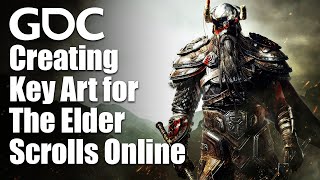
Illustrating Tamriel - Creating Key Art for The Elder Scrolls Online
Explore compositional strategies and character-centric techniques for crafting compelling narrative key art in The Elder Scrolls Online with ZeniMax Online Studios' Lucas Slominski.

AMA - Brian Horton on Insomniac Games' Marvel's Spider-Man - Miles Morales
Insomniac Games' creative director discusses Marvel's Spider-Man: Miles Morales development, covering character differences, diversity, technical aspects, and balancing gameplay with cinematic experiences.
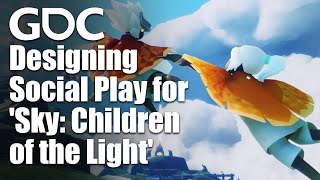
Designing Social Play for Sky - Children of the Light
Explore social design strategies in game development, focusing on player interactions, cooperative gameplay, and fostering natural relationships within virtual environments.
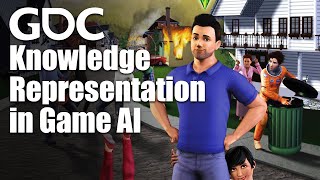
Knowledge is Power - An Overview of Knowledge Representation in Game AI
Explore best practices for creating impactful AI decision-making in video games, focusing on knowledge representation techniques to enhance player experience.

Data-Driven or Data-Blinded? Uses and Abuses of Analytics in Games
Explore common pitfalls in game data analysis and learn practical techniques to improve test rigor and data quality for more effective game development decision-making.