
Cooking on the German Home Front During World War 2
Discover wartime German cuisine and survival cooking methods from WWII, exploring food rationing, creative substitutions, and authentic recipes that sustained families during challenging times.
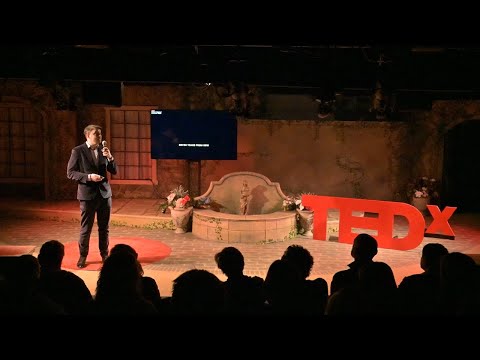
Technology, time, and cinema | Peter Hildebrand | TEDxYouth@FranklinSchoolOfInnovation
How did people think about time when moving pictures were invented? How did that thinking affect the development of cinema? And how do our cultural concepts related to time affect the ways we think about movies today? This talk traces the history of cinema, from the end of the 1800s to our modern er
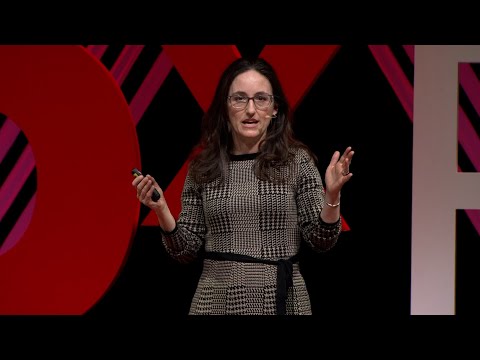
Everything you have, you owe to fashion. | Charlene Gross | TEDxPSU
Humans have been wearing clothes for a very, very long time, and it turns out we're really good innovators in the pursuit of fashion. From how the spindle whorl became the wheel to how the loom became the computer, fashion historian Charlene Gross explores the ways textiles have shaped societies and

El pasado como legado: seamos buenos ancestros | Guadalupe Romero Villanueva | TEDxBariloche
Guadalupe, como arqueóloga, explica que las imágenes del pasado ofrecen lecciones valiosas para guiar nuestro accionar presente, incluso si desconocemos su significado. Su argumento central sostiene que la supervivencia de las generaciones humanas por venir requiere que asumamos con responsabilidad

Who Writes Our History | Gabrielle Prayoga | TEDxUniversitas Prasetiya Mulya
In a world flooded with information, the stories we learn about the past are often carefully chosen, not complete. This talk reveals that history isn't just a neutral set of facts. Instead, it's frequently shaped by those in power, who intentionally leave out crucial viewpoints and erase entire comm

How history teaches us to deal with societal collapse | Tarmo Jüristo | TEDxTallinn
In this talk, Tarmo Jüristo examines the ruins we see around us — physical, cultural, and symbolic — to reveal how our interpretations of the past shape the way we think about the present and imagine the future. Drawing on ideas from philosophy and social analysis, he invites viewers to consider how

From Cotton Fields to Choice: Reclaiming Land and Legacy | Troy Bridgeforth | TEDxBoston
Cotton carries a complicated history—one rooted in exploitation, loss, and forced labor. But for Troy Bridgeforth, it also carries a story of choice, resilience, and reclamation. In this talk, Bridgeforth traces his family’s journey across five generations of cotton farming, beginning with post–Ema
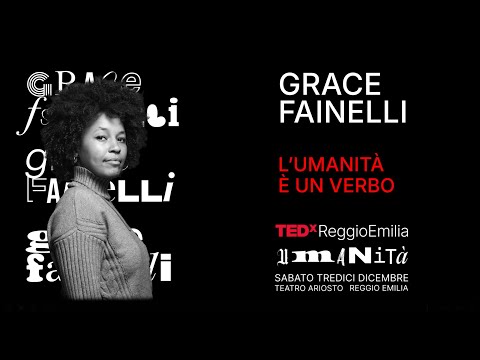
L'umanità è un verbo | Grace Fainelli | TEDxReggioEmilia
Il linguaggio non descrive soltanto il mondo: decide chi conta e chi no. Grace Fainelli smaschera le gerarchie coloniali nascoste nelle parole e propone un cambio di prospettiva: l’umanità non è un’etichetta statica, ma un verbo che impariamo a coniugare insieme, allargando lo sguardo attraverso div