The C++ Vector Challenge - Exploring Object Interfaces and Formal Specifications
Delve into the complexities of C++ vector implementation, exploring formal interfaces, static checking mechanisms, and the challenges of specifying object interfaces through a deep technical analysis.
Inside the Scala Capture Checker
Explore Scala's capture checker, its algorithms, architecture, and integration into the compiler for ensuring resource and effect safety in programs.

DOT: Foundation of Scala 3 - Dependent Object Types Calculus
Explore the Dependent Object Types calculus, a type-theoretic foundation for Scala 3, unifying type members and simplifying type computations.

TypeScript and Your Codebase - Proof That They Deserve Each Other
Discover how TypeScript enhances codebases through static typing, interfaces, and generics, enabling more robust and maintainable applications while reducing bugs and improving team collaboration.
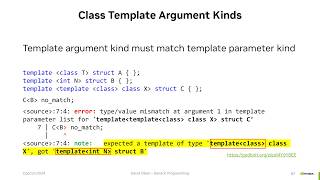
Back to Basics: Generic Programming in C++
Master the fundamentals of C++ templates and generic programming through clear explanations of language rules, practical guidelines, and essential concepts for effectively working with template code.
Liquid Type Systems - Understanding Type Theory and SMT Solvers
Explore the innovative Liquid Types system, combining traditional type theory with SMT solvers to enhance type system expressivity while maintaining practical usability in programming languages.
Production Haskell - Building and Deploying Haskell Applications
Discover practical insights into implementing Haskell in production environments, covering deployment strategies, testing approaches, and real-world application development techniques.

Introducing Typir - Type Checking for the Web
Discover how Typir framework enables web-based type checking for programming languages, offering validation hints and semantic constraints for both textual and graphical language development.
C++ Reflection Based Libraries to Look Forward To
Explore the future of C++ reflection and its potential impact through three innovative library concepts: Python bindings, ABI hashing, and enhanced duck typing - revolutionizing code reusability and interoperability.
The Best TypeScript Features You're Not Using Yet
Discover cutting-edge TypeScript features and tools like 'satisfies', 'NoInfer', Knip, and typescript-eslint@7 to write more robust, bug-free code and enhance your development workflow.
Understanding TypeScript - Fixing the Billion Dollar Mistake and Other Concepts
Dive into TypeScript fundamentals with author Josh Goldberg, exploring core concepts from basic types to advanced features, while understanding how modern type systems evolved to prevent costly programming mistakes.
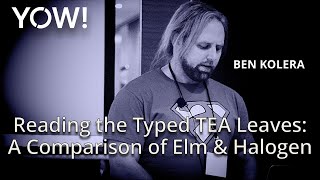
Reading the Typed TEA Leaves: A Comparison of Elm and Halogen
Explore a detailed comparison between Elm and Halogen frameworks, examining their approaches to functional programming, type systems, and practical applications in web development.
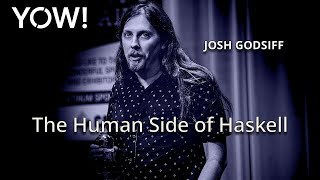
The Human Side of Haskell - Understanding Social and Technical Challenges
Explore the human aspects and practical implications of Haskell programming through real-world experiences and insights into functional programming adoption in software development teams.
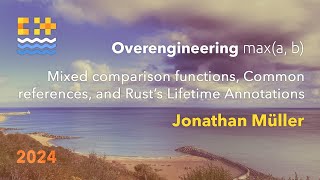
Overengineering max(a, b) - Mixed Comparison Functions, Common References and Rust Lifetime Annotations
Dive into advanced C++ template metaprogramming through the lens of max(a,b), exploring mixed comparisons, reference handling, and Rust-inspired lifetime annotations for robust generic programming.