Beyond the Visible Universe - Discovering Wonders in Radio and X-rays
Explore the mysteries of space through radio and X-ray astronomy, uncovering celestial phenomena beyond human vision and discovering how scientists observe the invisible cosmos.
Searching for Extraterrestrial Intelligence Using Google Cloud
Explore how Google Cloud aids in the search for extraterrestrial intelligence through radiofrequency data analysis and technosignature detection, featuring insights from SETI Forward Award winner Raffy Traas.
Telescope: Telemetry for Gargantuan Memory Footprint Applications
Innovative telemetry technique for efficient hot/cold data detection in terabyte-scale applications, enabling improved memory tiering and performance in data centers with tiered memory architectures.
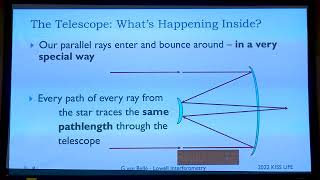
Introduction to Interferometry
Explore the principles and applications of interferometry in astronomy, from basic concepts to advanced techniques and array configurations.

Stellar Magnetic Activity with Kepler and TESS
Explore stellar magnetic activity through Kepler and TESS data, uncovering insights into stellar behavior and its impact on exoplanet detection and characterization.
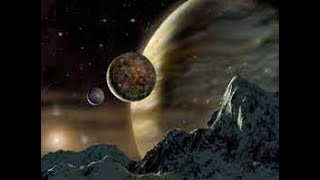
Detecting Exo-Earth Candidates with Next Generation Direct Imaging Space Telescopes
Explore cutting-edge techniques for identifying Earth-like exoplanets using advanced space telescopes in direct imaging missions.
Observe Exoplanets with Exoplanet Watch - A Citizen Science Project
Learn to observe exoplanets with NASA's Exoplanet Watch project. Explore data reduction techniques and contribute to efficient space telescope usage through this citizen science initiative.
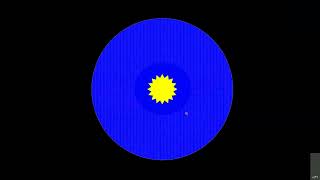
Direct Imaging of Extrasolar Planets
Explore cutting-edge techniques for directly observing planets beyond our solar system. Gain insights into the latest advancements in extrasolar planet detection and imaging.
Urban Astronomy: How to Observe in the City
Discover urban astronomy techniques: overcome light pollution, find safe spots, navigate limited horizons, and explore smart telescopes for productive city stargazing.
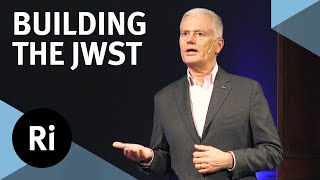
Design and Development of the James Webb Space Telescope
Delve into the engineering marvel of the James Webb Space Telescope with NASA's Astrophysics Director, exploring its groundbreaking design, deployment challenges, and revolutionary impact on our understanding of the universe.

How Satellites Are Transforming the Night Sky | Dr Noelia Noël | TEDxSurreyUniversity
Satellites connect us across the globe and help us monitor our changing planet, but their growing numbers are flooding the night sky with artificial light. This scattered glow is erasing the stars and distorting the faint cosmic signals that help us understand our Universe. My talk explores how reth

Space Technology in your Living Room | Dr. Angaraj Duara | TEDxKahilipara
Spin Off Technology- Development of abrasion resistant plastic for astronaut visor led to the development of scratch free prescribed glasses that majority of people wear, Bacillus pumilus SAFR-032 is used to make sunscreen. *Dr. Angaraj Duara* , a space scientist, currently working on NASA's Habita