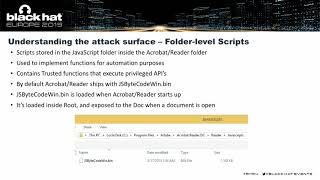
Tackling Privilege Escalation with Offense and Defense
Explore privilege escalation in JavaScript engines, focusing on offensive techniques and defensive strategies. Learn about vulnerabilities, attack surfaces, and security model improvements.
Mac-A-Mal - An Automated Platform for Mac Malware Hunting
Automated platform for macOS malware analysis, featuring kernel-level behavioral monitoring and extending Cuckoo sandbox capabilities. Supports various sample types and detects evasion techniques.
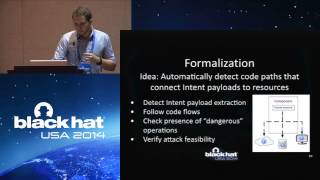
Static Detection and Automatic Exploitation of Intent Message Vulnerabilities in Android
Explore Android app vulnerabilities, static analysis techniques, and automated exploitation methods for intent message flaws. Learn to identify and mitigate security risks in mobile app development.
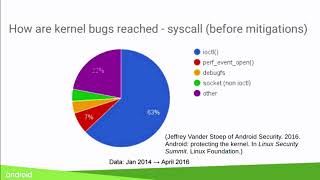
DIFUZE - Android Kernel Driver Fuzzing
Explore Android kernel driver fuzzing with DIFUZE, a tool for identifying vulnerabilities in third-party driver code. Learn techniques to improve Android security infrastructure and discover potential weaknesses.
Code Deobfuscation - Intertwining Dynamic, Static and Symbolic Approaches
Explore advanced code deobfuscation techniques combining dynamic, static, and symbolic approaches to enhance software analysis and reverse engineering capabilities.
Unleashing D* on Android Kernel Drivers
Explore techniques for detecting vulnerabilities in Android kernel drivers using static analysis and fuzzing, with focus on DR.CHECKER and DIFUZE tools.
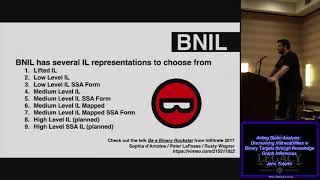
Aiding Static Analysis - Discovering Vulnerabilities in Binary Targets through Knowledge Graph
Explore advanced techniques for vulnerability detection in binary targets using knowledge graphs, static analysis, and specialized tools like Binary Ninja and Kraken.
Android App Penetration Testing 101
Learn Android app penetration testing essentials, including tools, methodologies, and practical techniques for identifying vulnerabilities and securing mobile applications.
Inside a Static Analyser - Type System
Explore C++ static analysis, focusing on type system representation in PVS-Studio. Learn about current implementation, challenges, and upcoming improvements in encoding and handling complex types.

Malicious Office Doc Analysis for Everyone
Explore techniques for analyzing malicious Office documents, from initial triage to static analysis. Learn precautions, tools, and strategies for effective malware investigation.

A Titan M Odyssey
Explore Google's Titan M chip: its architecture, security features, and potential vulnerabilities through reverse engineering and dynamic analysis techniques.

How Embedded TCP-IP Stacks Breed Critical Vulnerabilities
Explore critical vulnerabilities in embedded TCP/IP stacks, their impact on system security, and techniques for analysis and mitigation in networked embedded systems.
ProdSec - A Technical Approach
Explore product security strategies, including risk management, automation, and attack surface reduction. Learn how to integrate security into development processes and foster a security-conscious culture within organizations.
Crimeware Chaos - Empirical Analysis of HTTP-Based Botnet C&C Panels
Empirical analysis of HTTP-based botnet C&C panels, exploring design, technologies, and characteristics of crimeware control systems used by cybercriminals for managing botnets and other malicious operations.
The Cost of Complexity - Different Vulnerabilities While Implementing the Same RFC
Exploring security vulnerabilities in DNS implementations due to complexity and ambiguity in RFC 1035, focusing on message compression and its impact on TCP/IP stacks.

Identifying Multi-Binary Vulnerabilities in Embedded Firmware at Scale
Explore techniques for identifying vulnerabilities in embedded firmware, focusing on multi-binary analysis, dynamic and static approaches, and scalable solutions for IoT device security.
Drill Apple Core - Up and Down - Fuzz Apple Core Component in Kernel and User Mode for Fun and Profit
Explore kernel sanitizers, XNU syscall API patterns, and code coverage techniques for Apple systems. Live demo of macOS root access using 0-day vulnerabilities discovered through fuzzing.

Do You Speak My Language? Make Static Analysis Engines Understand Each Other
Explore a novel framework for cross-language taint-flow analysis, enabling detection of critical security vulnerabilities across multiple codebases and programming languages.
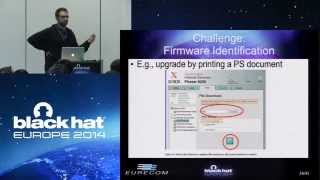
Firmware.RE - Firmware Unpacking, Analysis and Vulnerability-Discovery as a Service
Large-scale analysis of firmware images reveals vulnerabilities across embedded systems, highlighting security challenges and the need for improved tools and techniques in firmware analysis.
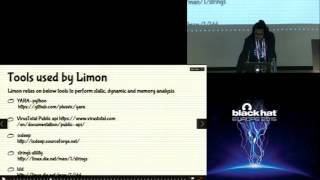
Automating Linux Malware Analysis Using Limon Sandbox
Explore automated Linux malware analysis with Limon sandbox. Learn to collect, analyze, and report runtime indicators using static, dynamic, and memory analysis techniques for comprehensive threat assessment.

Discover Vulnerabilities with CodeQL
Explore CodeQL's static and taint analysis capabilities to uncover vulnerabilities, including potential RCE flaws. Learn key concepts for effective code analysis and security testing.