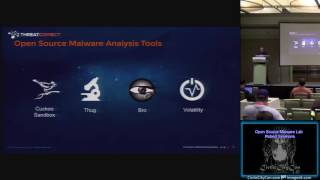
Open Source Malware Lab
Learn to build and use an open-source malware analysis lab with tools like Cuckoo Sandbox, Thug, Bro, and Volatility Framework for effective threat detection and analysis.
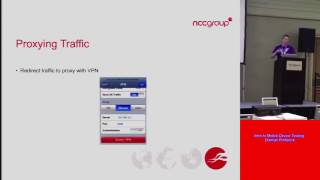
Intro to Mobile Device Testing
Learn essential techniques for testing mobile devices, covering key aspects of security assessment and vulnerability identification in mobile applications.

Breaking the Teeth of Bluetooth Padlocks
Explore vulnerabilities in Bluetooth padlocks and learn techniques to bypass their security measures, enhancing your understanding of IoT device weaknesses.

Security Automation in Your Continuous Integration Pipeline
Explore security automation in continuous integration pipelines, covering tools, implementation, and best practices for integrating security testing into development workflows.

Metasploit Fuzzing and Exploit Development
Learn advanced Metasploit techniques for fuzzing and exploit development, covering overflows, stack manipulation, and shellcode creation. Gain practical skills inspired by Derbycon's founding.
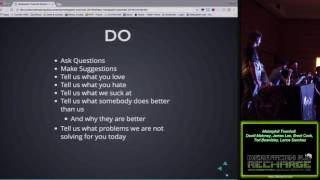
Metasploit Townhall
Explore Metasploit's latest developments and future plans with key team members in this informative townhall discussion from DerbyCon 2016.
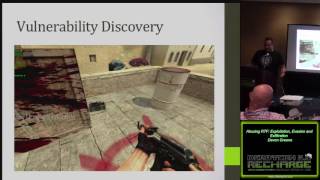
Abusing RTF - Exploitation, Evasion, and Exfiltration
Explore RTF file exploitation techniques, evasion methods, and exfiltration strategies. Learn about file tampering, magic files, and fuzzing to enhance your cybersecurity skills.

I Don't Give One IoTA - Introducing the Internet of Things Attack Methodology
Explore the Internet of Things Attack Methodology, covering hardware analysis, web and mobile app testing, network pentesting, and API testing for IoT security.

Fuzzing Basics - How to Break Software
Learn essential fuzzing techniques to identify software vulnerabilities, enhance security testing skills, and improve overall application robustness.

Finding a Weak Link - Attacking Windows OEM Kernel Drivers
Explore Windows OEM kernel driver vulnerabilities through fuzzing, analysis, and exploitation techniques. Learn to identify weak points and understand potential security risks in driver implementations.

Reverse Engineering All the Malware and Why You Should Stop
Explore efficient malware analysis techniques, automation tools, and dynamic instrumentation methods to enhance reverse engineering skills and streamline the process.

Need More Sleep - REST Could Help Drew Branch
Explore REST APIs, their classification, testing methods, and security considerations. Learn about status codes, data formats, and tools like Postman and Burp Suite for API development and protection.

What's in Your Top Ten - Intelligent Application Security Prioritization
Explore pragmatic threat modeling approaches for application security, focusing on architecture-driven methodologies and their integration into the software development lifecycle.
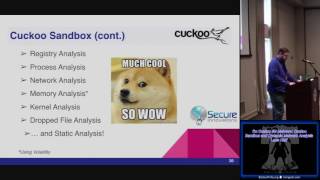
Cuckoo for Malware - Cuckoo Sandbox and Dynamic Malware Analysis
Explore dynamic malware analysis using Cuckoo Sandbox, covering setup, features, and practical applications for effective threat detection and analysis.
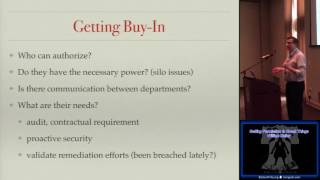
Getting Permission to Break Things
Learn ethical hacking techniques, navigate legal issues, and gain stakeholder buy-in for security testing. Discover how to define scope, address client needs, and handle potential pitfalls in penetration testing.

Intro to Fuzzing for Fun and Profit
Explore fuzzing techniques for software security, covering tools like AFL and Python fuzzers, memory error detection, debugging strategies, and advanced fuzzing methods.

Hacking the Sabbath
Explore the intersection of technology and religious observance, examining innovative solutions for maintaining Sabbath traditions in the modern digital age.
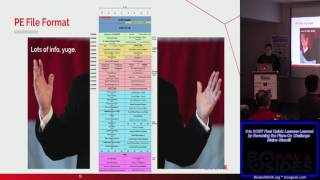
0 to 31337 Real Quick - Lessons Learned by Reversing the Flare On Challenge
Explore reverse engineering strategies and anti-analysis techniques through lessons learned from the Flare-On Challenge, covering file types, encryption methods, and obfuscation tactics.

Springtime for Code Reviews - Ryan Goltry
Discover effective code review techniques, focusing on security vulnerabilities, validation, and best practices to enhance software quality and maintainability.

You Have Updates - A Look at an Old Tool Making a Comeback - Evilgrade
Explore Evilgrade, a resurgent tool for exploiting software update processes, and learn about its attack structure, technical factors, and potential applications.
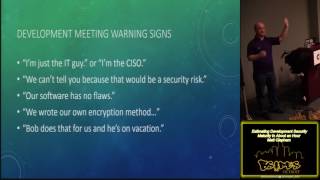
Estimating Development Security Maturity in About an Hour
Discover techniques for assessing development security maturity quickly. Learn to identify key behaviors, conduct effective meetings, and evaluate training, threat modeling, and analysis practices.