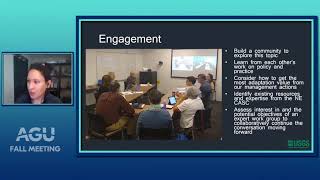
Anticipate and Adapt: Protecting Natural Resources Under Extreme Rainfall
Explore techniques for engaging resource managers, extreme precipitation research, climate adaptation co-production, and decision support activities in the Midwest and Northeast U.S. amid increasing heavy rainfall events.
Revisiting the IPCC's "Discernible Human Influence" Finding - History and Lessons Learned
Explores the 1995 IPCC conclusion on human influence on climate, its historical context, subsequent scientific advancements, and personal reflections on lessons learned from this pivotal moment in climate science.
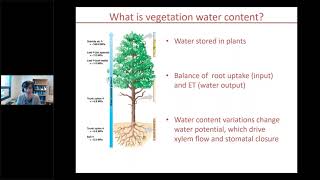
Global Environmental Change Early-Career and Mid-Career Award Lecture - Part 1
Explore groundbreaking research in global environmental change with award-winning scientists Dr. Alexandra G. Konings and Dr. Kimberly A. Novick as they present their innovative work and contributions to the field.
Adapting Community Science for International Operations
Explore how Thriving Earth Exchange's community science approach is adapted globally, featuring insights from Australia, Mongolia, and Senegal on motivations, projects, and expected impacts.
Science and Society Dialogues - Community and Citizen Science
Explore the intersection of community engagement and scientific research through citizen science initiatives, fostering collaboration between researchers and the public.
NOAA Arctic Report Card 2021 - Climate Change Impacts in the Polar Region
NOAA's 2021 Arctic Report Card reveals ongoing climate-driven transformations in the polar region, impacting weather, climate, and communities worldwide. Experts discuss rapid changes and the need for improved observations.
Canine Oil Spill Detection: Using Odor Signatures to Improve Detection on Land and Water
Researchers discuss using trained dogs for oil spill detection, exploring the chemical properties enabling canine detection, and improving training methods based on their findings.
Meet the Epic-N Network with Thriving Earth Exchange
Explore how EPIC-N connects universities with local governments to improve quality of life. Learn about leveraging resources, follow-on engagement, and growing community science initiatives.
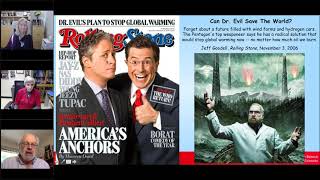
Two Approaches for Mitigating Global Climate Change
Explore two climate change mitigation strategies: stratospheric sulfur geoengineering and state-level carbon footprint reduction, examining their potential benefits, risks, and implementation challenges.
Climate Scenario Research Priorities: High-End vs. Intermediate-Range Debate
Scientists debate which climate scenarios should be prioritized for research and funding, exploring the pros and cons of focusing on high-end vs. intermediate-range projections to guide climate action and sustainability efforts.
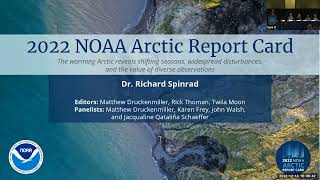
NOAA 2022 Arctic Report Card - Climate Change Impacts in the Arctic
Experts discuss the 2022 NOAA Arctic Report Card, highlighting climate change impacts on the Arctic region, including new findings on precipitation, shipping trends, and effects on Indigenous communities.
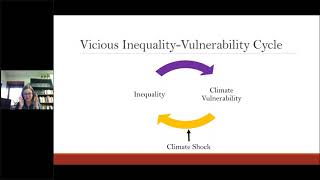
Climate Change and Inequality - Distributional Impacts and Dynamic Vulnerabilities
Explore the uneven impacts of climate change across regions and the factors driving differential vulnerability, with insights from Dr. Julie A. Silva's research on environmental inequality.
Urban Heat Island Effect: The Silent Killer in Your Urban Backyard
Explore urban heat islands: their causes, impacts, and how data-driven research informs local climate change mitigation efforts to combat this silent urban threat.
The Food-Energy-Water Nexus - Connecting Science and Policy
Explore the interconnections between food, energy, and water systems, examining scientific insights and policy approaches for sustainable resource management and security.
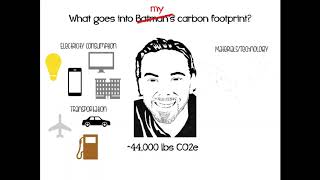
The Carbon Footprint of Superheroes - Understanding Climate Impact Through Pop Culture
Explore the carbon footprints of superheroes to understand human impact on climate change, gaining insights into everyday behaviors and environmental stewardship.
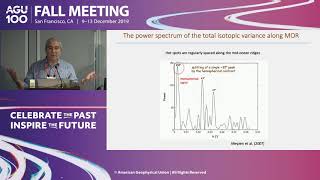
A Century of Earth and Space Science - Technological and Societal Influences on Research
Explores the evolution of Earth and space research over 100 years, highlighting technological advancements, data collection methods, and societal impacts on scientific practices and global understanding.
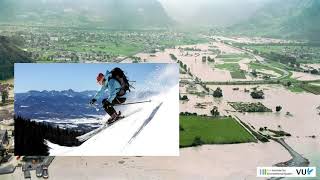
Gilbert F. White Distinguished Lecture on Natural Hazards and Disaster Risks
Prestigious annual lecture honoring contributions to natural hazards and disaster risk research, emphasizing holistic approaches integrating physical, social, and biological systems.
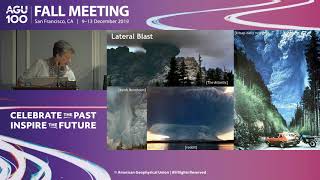
The Global Scientific Legacy of the 1980 Mount St. Helens Eruption - A 40-Year Perspective
Explore the far-reaching scientific impact of Mount St. Helens' 1980 eruption across multiple disciplines, from volcanology to ecology, and its influence on hazard assessment and emergency management.
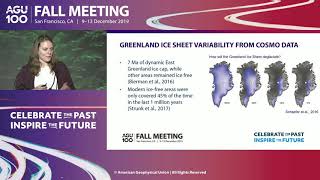
Young Scientists' Views on the Future of Earth Sciences - Lightning Talks IV
Young scientists discuss Earth science's future challenges, innovations, and opportunities, exploring interdisciplinary approaches and funding for underrepresented groups to secure a habitable planet.
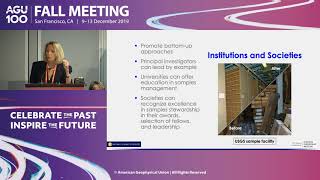
Advancing Earth, Environmental, and Planetary Sciences Through Natural History Samples and Collections
Explore efforts to enhance visibility, management, and value of physical samples in earth and planetary sciences, addressing national policies for FAIR data principles and scientific reproducibility.
Energy in the Earth - New Approaches to Geologic Hazards and Resource Management
Explore new approaches to geologic hazards, Earth's resources, and sustainability. Learn about earthquake and volcanic risks, fluid dynamics, and energy challenges in this comprehensive session.