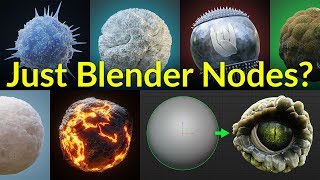
Top Blender Shader Tricks from Nodevember 2019
Explore advanced Blender shader techniques inspired by Nodevember 2019, featuring expert insights from Simon Thommes on creating stunning procedural materials and animations.
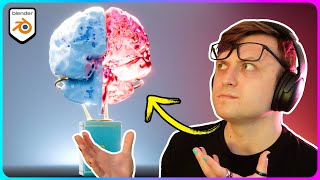
Creating 3D Art from Brain Scans Using Blender
Learn to transform a brain scan into stunning 3D art using Blender. Explore techniques for cleaning, rendering, material work, and adding intricate details to create a unique and visually striking piece.
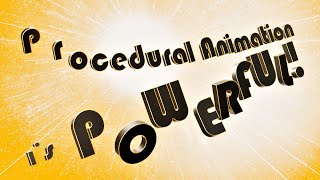
Build an Essential Motion Graphics Transition Effect in Blender's Geometry Nodes
Create a powerful transition effect in Blender using geometry nodes. Learn procedural animation techniques, including translation, easing, randomization, and shader connections for impressive motion graphics.
C# Game Engine Code Review - Building a 3D Renderer at 16
Comprehensive code review of a C# game engine, offering insights on architecture, rendering techniques, and optimization strategies for aspiring game developers.
Vertex Buffer Layouts - Game Engine Series
Learn to implement vertex buffer layouts in game engine development, covering buffer offsets, shader enums, and OpenGL base types for efficient rendering.
The Journey: Unity Open Project - Episode 4 - Audio System and Shader Improvements
Explore Unity's Open Project "Chop Chop" progress, focusing on audio systems, shader improvements, and community contributions. Learn about game development and collaboration in this informative session.
Enter the Rumbleverse - What Goes Into a Good Battle Royale? - Unreal Fest 2022
Discover optimization strategies for high-performance battle royale games, focusing on Rumbleverse's 60 FPS gameplay through engine modifications and strategic design choices.
Leveraging Quad-Core Tegra 3 Features with Substance for Dynamic Textures in Mobile Games
Explore dynamic texture creation for high-end mobile games using Substance technology on Tegra 3, featuring real projects and efficient CPU utilization for enhanced visual effects.
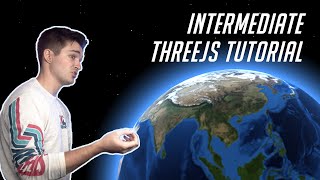
Intermediate Three.js Tutorial - Create a Globe with Custom Shaders
Create a realistic 3D globe using Three.js and custom shaders. Learn vertex and fragment shaders, UVs, normals, and atmospheric effects. Includes interactive features and styling with HTML/CSS.
Intro to Shader Coding in Unity - An Improvised Live Course
Comprehensive live tutorial on shader coding in Unity, covering basics to advanced topics like lighting, manipulating values, and real-world applications. Ideal for beginners seeking hands-on learning.
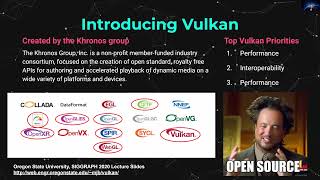
Beyond CUDA: GPU Accelerated Machine Learning on Cross-Vendor Graphics Cards with Vulkan Kompute
Explore GPU-accelerated machine learning across multiple vendors using Vulkan Kompute. Learn parallel processing options, Vulkan basics, and implement a linear regression example on diverse graphics cards.

Shaders in Game Engine Development - Episode 6
Dive into shader implementation for game engine development, exploring techniques and best practices for creating efficient and visually appealing graphics in real-time rendering.
Improving 2D Rendering API - Game Engine Series
Enhance 2D rendering capabilities in game engines with optimized API design, focusing on performance improvements and efficient graphics processing techniques.
Single Shader 2D Renderer - Game Engine Series
Learn to create an efficient 2D renderer using a single shader in game engine development, optimizing performance and simplifying rendering techniques.

Shader Library - Game Engine Series
Explore the creation and implementation of a shader library in game engine development, enhancing graphics capabilities and performance optimization.

Shader Asset Files in Game Engine Development
Learn to create and manage shader asset files for game engines, exploring techniques to optimize performance and enhance visual quality.

Shader Abstraction and Uniforms - Game Engine Series
Learn to abstract shaders and implement uniforms in game engine development, enhancing graphics flexibility and performance.

Building a VR Sandbox for Android - Rapid Prototyping Techniques
Explore rapid prototyping for Android VR development using scripting, live shader updates, and off-the-shelf devices. Learn to create immersive experiences with instant feedback.
Make Shinier, Faster Mobile Games with Vulkan
Explore Vulkan's high-efficiency graphics API for mobile games. Learn porting techniques, performance optimization, and how to leverage Vulkan's unique features for enhanced mobile gaming experiences.

Generative Graphics Workflow for Games - From Midjourney to Unity
Explore generative AI's impact on game development, from graphics pipelines to industry changes. Learn practical tips for integrating AI tools into creative workflows and insights on future opportunities in game design.
Secondary Textures - Lit Sprites and 2D VFX Tutorial
Enhance 2D sprites with secondary textures for dynamic lighting and atmosphere. Learn to create and implement texture maps to elevate your game's visual appeal using Unity's URP.