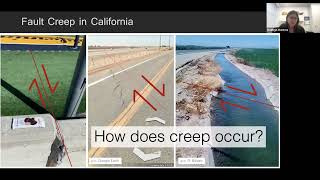
Along-strike Propagation of Shallow Creep Events from High-Resolution Space Geodetic Observations
Explore high-resolution space geodetic observations to understand the along-strike propagation of shallow creep events in fault systems, enhancing earthquake prediction capabilities.
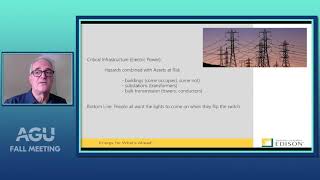
Implementing AGU's "Science for Solutions" to Address Societal Problems
Exploring strategies to apply scientific discoveries to societal challenges, focusing on collaboration with stakeholders and increasing diversity in geosciences for effective problem-solving.

Walking the Seismogenic Zone: A Field Geology Perspective on Earthquakes - Francis Birch Lecture
Explores earthquake cycles through field geology, examining ancient fault rocks to understand seismic behavior, transient conditions, and persistent changes that control fault deformation and slip patterns.
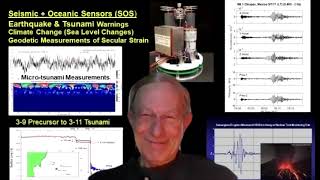
Beno Gutenberg Lecture - Seismology and Earth's Structure
Explore seismology's frontiers in this annual AGU lecture honoring Beno Gutenberg, featuring cutting-edge research and insights from leading experts in the field.
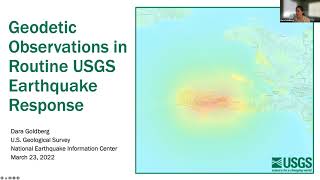
Geodetic Observations in Routine USGS Earthquake Response
Explore how geodetic data enhances USGS earthquake monitoring, improving accuracy and understanding of seismic events for better public safety and scientific research.
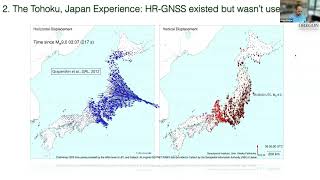
The Future of High-Rate GNSS in Earthquake Observing Systems
Explore advancements in high-rate GNSS technology for earthquake monitoring, its potential impact on observing systems, and future applications in seismology and geophysics.
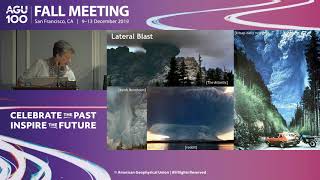
The Global Scientific Legacy of the 1980 Mount St. Helens Eruption - A 40-Year Perspective
Explore the far-reaching scientific impact of Mount St. Helens' 1980 eruption across multiple disciplines, from volcanology to ecology, and its influence on hazard assessment and emergency management.
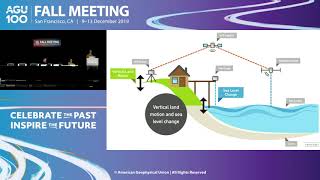
Geoscience Grab Bag - Mountain Heights, Earthquakes, and Continental Impacts - Fall Meeting 2019
Explore diverse geological findings: mountain height limits, earthquake connections in Cascadia and Southern California, and distant quakes' impact on Australia. Gain insights from experts in this multi-topic geoscience briefing.
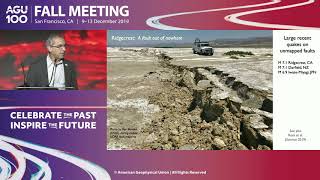
Seismic Hazards - New Approaches and Perspectives
Explore new approaches to geologic hazards, focusing on earthquakes, volcanic eruptions, and resource management. Learn from experts about mitigating risks in our increasingly populated world.
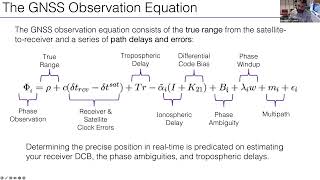
GNSS Velocities for Seismic Network Applications
Learn to utilize GNSS velocities for seismic network applications, enhancing your understanding of geodetic data in earthquake monitoring and tectonic studies.
See Through Seas: Imaging the Planet's Hidden Interior
Scientists discuss groundbreaking 10-month mission using new technology to observe Earth's interior beneath oceans, providing unprecedented seismic data and insights into planetary processes.
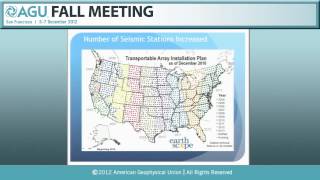
Understanding Recent and Historical Seismicity in the Central and Eastern U.S. - Part 2
Explore recent seismic activity in Central and Eastern U.S., including challenges, data integration, and insights into specific earthquake events. Gain understanding of regional seismicity patterns and their implications.
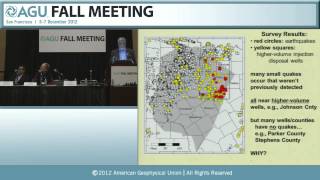
Natural or Man-Made? Triggers and Limits to Induced Earthquakes
Exploring the surge in Oklahoma earthquakes since 2010, scientists investigate potential links to hydraulic fracturing and present new findings on induced seismicity in Oklahoma and Texas.
Using Historical Information to Improve Seismic Data Processing Methods I
Explore innovative seismic data processing techniques, including Bayesian methods, machine learning, and waveform cross-correlation, to enhance earthquake monitoring and location accuracy.
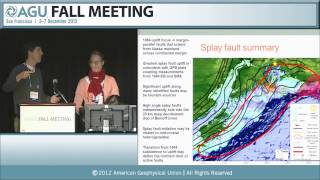
How, When, and Where Does Slip Occur in the Subduction Environment? - Fall Meeting 2012
Explore cutting-edge research on subduction zone dynamics, including megathrust earthquakes, interseismic coupling, and slow slip events, presented by leading experts in geophysics and seismology.
Lessons Learned from the L'Aquila Earthquake - Fall Meeting 2012 Press Conference
Experts discuss responsibilities and challenges for scientists in communicating earthquake risks, prompted by the L'Aquila earthquake case. Explores implications for natural hazard assessment and public safety.
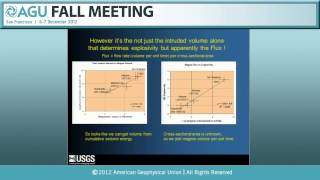
Linking Diverse Constraints on Volcanic Unrest - 2012
Explore diverse constraints on volcanic unrest, including magma systems, ground displacements, seismicity, and gas emissions. Gain insights into monitoring techniques and eruption forecasting models.
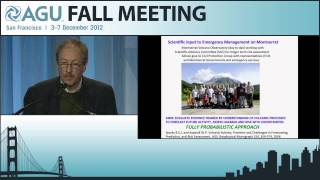
Communicating Geohazard Risk Assessments
Experts discuss operational earthquake forecasting, responsibility for earthquake-related suffering, and geohazard risk communication strategies, drawing insights from L'Aquila and other case studies.
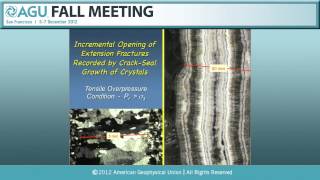
Inside a Crustal Earthquake - The Rock Evidence
Explore the geological evidence of crustal earthquakes through rock analysis, providing insights into seismic processes and their impact on Earth's crust.
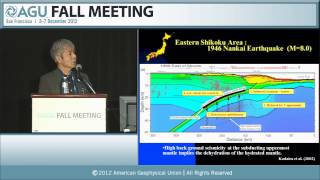
Cities on Subduction Thrusts - Seismic Risks and Structural Characteristics
Explore seismic risks and structural characteristics of subduction zones affecting major cities, including Seattle, Tokyo, and Wellington. Gain insights into earthquake hazards and geological features.
Faults in the East: Understanding Risks from New Madrid Fault Zone and Virginia Earthquake
Explore seismic risks in Eastern US, focusing on New Madrid and Virginia zones. Learn about historical events, recent findings, and efforts to understand and mitigate earthquake hazards in the region.