The Weak Solar Cycle and Its Consequences
Explore the implications of the weakest solar cycle in a century on space weather, atmosphere, and climate with leading scientists discussing unprecedented observations and research findings.
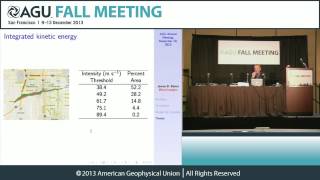
Are Tornadoes Getting Stronger - New Analysis Techniques
New analysis technique examines tornado strength trends by assessing damage paths. Research explores long-term patterns in tornado intensity, offering insights into potential changes in severe weather phenomena.
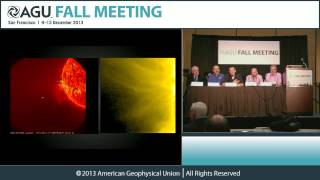
The Battle of Fire and Ice - New Scientific Results from Comet ISON
New scientific results from Comet ISON's closest approach to the sun, including observations from various space missions and insights into the comet's composition, behavior, and ultimate fate.
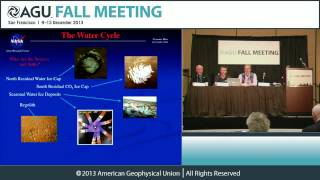
Dynamic Mars from Long-Term Observations
Explore Mars' dynamic nature through long-term spacecraft observations, revealing dust storms, polar cap changes, fresh impacts, and potential water-related processes. Gain insights into the Red Planet's active geological and climatic phenomena.
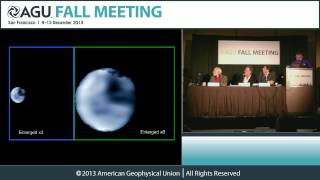
Science from Juno's Earth Flyby - Fall Meeting 2013
Discover insights from Juno spacecraft's Earth flyby, including video footage, scientific data, and amateur radio campaign results. Learn about mission goals for Jupiter exploration.
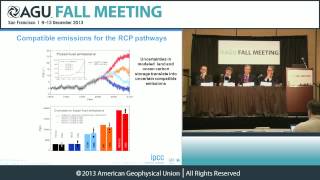
IPCC: The Future of Climate Change Assessment
IPCC authors discuss findings from the latest climate change assessment report, highlighting key observations, uncertainties, and future research needs in atmospheric science and biogeochemical cycles.
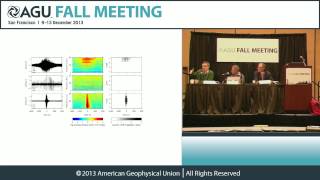
See Through Seas: Imaging the Planet's Hidden Interior
Scientists discuss groundbreaking 10-month mission using new technology to observe Earth's interior beneath oceans, providing unprecedented seismic data and insights into planetary processes.
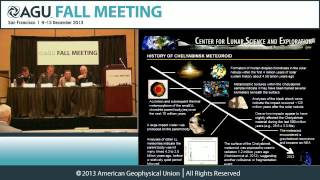
Lessons From the Chelyabinsk Airburst - Scientific Findings and Implications
Experts discuss latest findings on the 2013 Chelyabinsk meteor airburst, its effects, and implications for future threats from smaller meteors to populated areas.
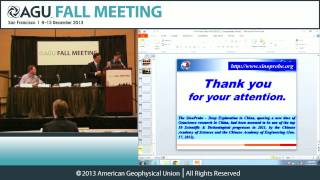
SinoProbe - An Unprecedented View Inside Earth's Largest Continent
Groundbreaking Chinese research program SinoProbe reveals new insights into Earth's continental crust, uncovering valuable structures and ore-prospective regions through extensive geological, geophysical, and geochemical surveys.
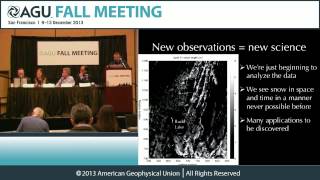
Snow Measuring Mission Reaps Big Benefits for California
Innovative airborne snow mapping system optimizes water management in California, enhancing reservoir operations and hydroelectric generation during severe drought conditions.
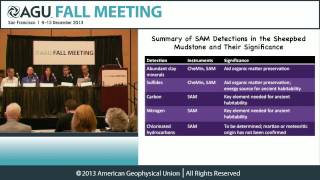
Update from Gale Crater - Results from the Mars Rover Curiosity
Explore latest findings from Mars Rover Curiosity, including ancient environmental conditions, potential for microbial life, and implications for future Mars missions and biosignature searches.
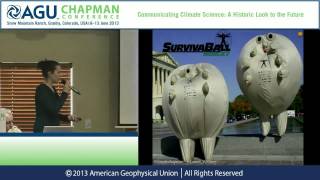
Dissecting the Joke: Using Humor to Communicate Climate Issues
Exploring humor's role in communicating climate science through analysis of cartoons, news, broadcasts, and campaigns. Techniques for effective use of satire and parody in science communication.
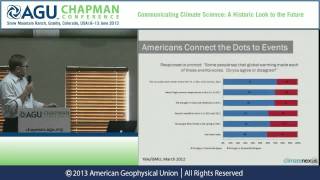
Lessons from Trends in Public Opinion on Climate Change
Explore trends in public opinion on climate change and their implications for effective communication strategies in this insightful presentation by Hunter Cutting at the AGU Chapman Conference.
Communicating Climate Science - A Historic Look to the Future
Explore historical climate communication strategies and their future implications in this insightful conference talk by Atreyee Bhattacharya at the AGU Chapman Conference.
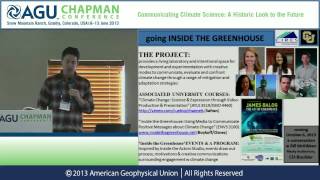
Communicating Climate Science - A Journalist's Perspective
Explore the history of climate communication from a journalist's perspective with Maxwell Boykoff at the AGU Chapman Conference on Communicating Climate Science.
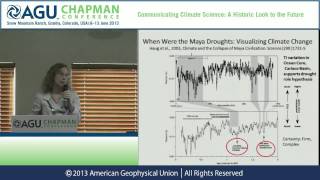
Communicating Climate Science: Ancient Maya Case Study
Exploring the complex relationship between ancient Maya civilization and climate change, challenging simplistic views and emphasizing interdisciplinary research to understand human-environment interactions.
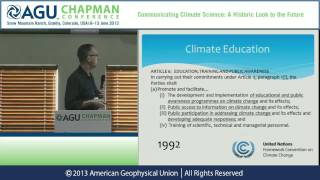
Climate Education, Communications and Outreach - Toward an Integrated Approach
Exploring integrated approaches to climate education, communication, and outreach through expert discussions and collaborative workshops to enhance public understanding and engagement.
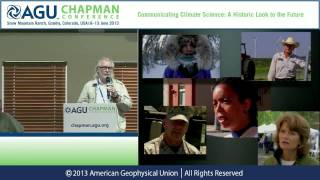
Communicating Climate Science: Innovative Strategies and Social Media Engagement
Innovative climate communication strategies using stories, metaphors, and multimedia to counter misinformation and promote clean energy solutions. Explores effective outreach methods through TV, live events, and social media.
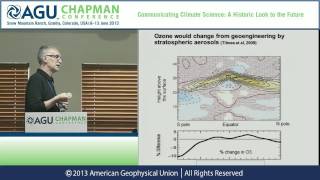
Geoengineering - A Challenging Topic for Science, Communications, and Society
Explore geoengineering's impact on climate science, communication, and society in this thought-provoking presentation by Phil Rasch at the AGU Chapman Conference on Communicating Climate Science.
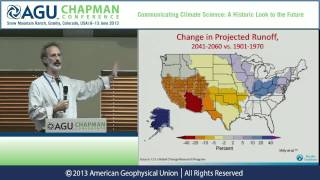
Climate, Hydrology and Water Systems - Grand Challenges
Explore the intersection of climate, hydrology, and water systems with Peter Gleick's insights on grand challenges in these interconnected fields at the AGU Chapman Conference.
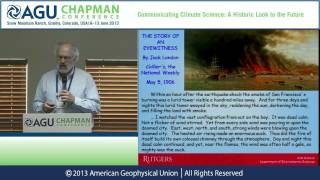
Trying to Tell the World about Nuclear Winter - Communicating Climate Consequences of Nuclear War
Exploring the challenges of communicating nuclear winter research and its implications for global policy, despite peer-reviewed publications and outreach efforts.