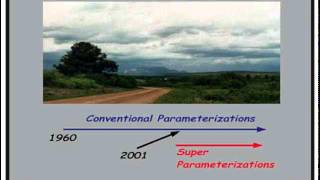
Bjerknes Lecture: Cloud System Resolving Models and Parameterization - AGU Fall Meeting 2001
Explore cloud parameterization and system-resolving models in climate science. Gain insights into innovative approaches for modeling complex atmospheric processes and their implications.
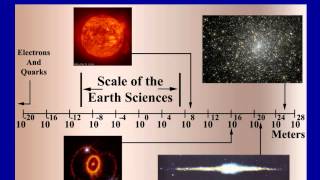
Nanogeoscience - Exploring Earth's Processes at the Molecular Level
Explore groundbreaking insights in geochemistry and mineralogy from a renowned expert's lecture at the AGU Spring Meeting 2002, offering valuable historical perspectives despite potential video quality issues.
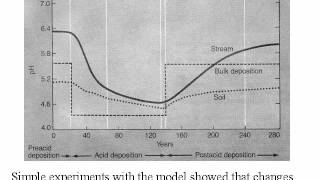
Hydrologic Modeling and Regionalization - Langbein Lecture 2002
Explore hydrologic modeling, regionalization, and scientific approaches in water resource management with insights from a renowned expert in the field.
Union Education Tutorial - AGU Spring Meeting 2002
Explore geological insights with Stephen E. Haggerty in this AGU Spring Meeting 2002 tutorial, offering valuable knowledge despite potential video quality limitations due to age.
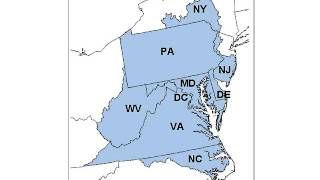
Union Education Tutorials - AGU Spring Meeting 2002
Explore climate change impacts and policy responses with experts Ann Fisher and Eric Barron in this AGU Spring Meeting 2002 tutorial, offering valuable insights despite its age.
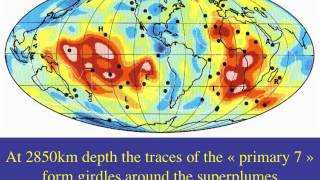
Mass Extinctions and Mantle Plumes - Bullard Lecture
Explore the intersection of geophysics and Earth's history with Vincent E. Courtillot's Bullard Lecture, offering insights into geological processes and their impact on our planet's evolution.
Dawn Science Update: Ceres Composition and Features - Press Conference
Scientists discuss new findings on Ceres' composition and intriguing features from NASA's Dawn spacecraft, including impact craters, water ice, and cold traps.
First Results from Axial Seamount Underwater Volcano Eruption - 2015
Groundbreaking insights into underwater volcanic eruptions at Axial Seamount, revealed through advanced cabled sensors. Scientists discuss new structures, internal plumbing, and implications for understanding volcanic hazards.
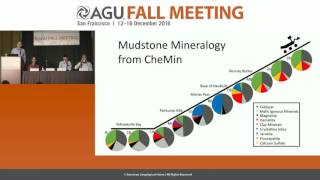
Recent Findings from NASA's Curiosity Mars Rover in Gale Crater
Discover Curiosity rover's latest findings on Mars' ancient water-rich environments, geological formations, and potential conditions for life in Gale Crater through expert analysis and mission updates.
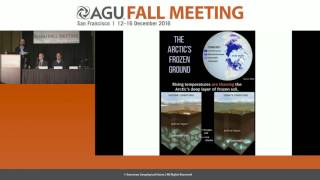
Arctic Report Card 2016 - Key Findings and Environmental Changes
Scientists present findings on rapid Arctic warming, discussing impacts on environment, wildlife, and global climate. Key measures include temperature, sea ice, snow cover, and Greenland ice sheet changes.
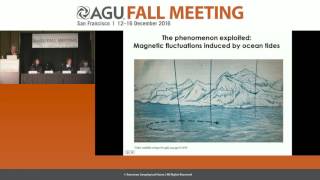
Ocean Heat Content Measurement and Impact - New Satellite Methods and Research Findings
Novel satellite method to measure ocean heat content, revealing impacts on ice melt and marine ecosystems. Explores magnetic field fluctuations, seafloor temperatures, and chlorophyll patterns to enhance climate change understanding and prediction.
Defending the Home Planet: Assessing and Mitigating Asteroid and Comet Impacts
Researchers discuss latest advances in assessing asteroid and comet impact dangers, including land vs. sea impacts, and potential defense strategies against these cosmic threats.
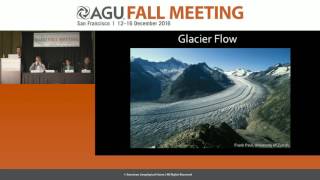
Mapping the Flow of Ice Around the Globe - New Database for Tracking Global Ice Velocity
Scientists discuss a new database tracking global ice velocity using NASA/USGS Landsat satellites, providing insights into glacier melting, sea level rise, and seasonal changes in ice movement due to climate change.
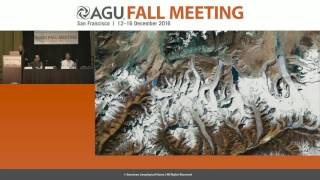
Attributing Mountain Glacier Retreat to Climate Change
New method for assessing glacier retreat and its link to climate change. Researchers present findings on individual glacier changes and their implications for freshwater sources and climate indicators.
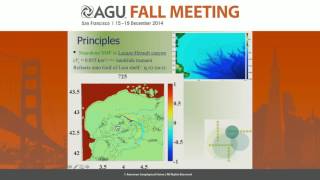
Development of Algorithms for Tsunami Detection by High Frequency Radar - Mediterranean Sea Case Studies
Explores algorithms for tsunami detection using High Frequency Radar, based on Mediterranean Sea simulations. Covers traditional systems, physics, detection methods, and new correlation-based algorithms.
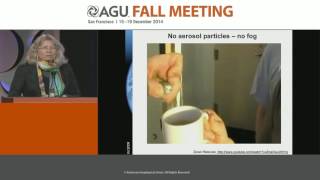
Grand Challenges in Understanding Clouds - From Ice Crystal Formation to Climate Influence
Explore cloud formation, ice crystal dynamics, and their climate impact. Discover recent advances in aerosol-cloud interactions and the challenges in predicting climate change.
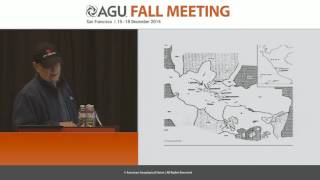
Hydrothermal Fluids, Nebular Vapors and Silicate Melts Through Mineral Analysis
Explore mineral thermochemistry's insights into geological processes, from hydrothermal fluids in Ag-Pb-Zn ores to primordial solar nebula condensation and fassaitic pyroxenes in Ca-Al-rich inclusions.
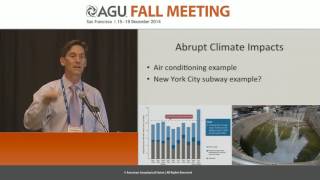
Abrupt Climate Change - Views from Past, Present, and Future
Explore past, present, and future abrupt climate changes through ice core research and environmental systems, examining their economic, physical, and social impacts on human society.
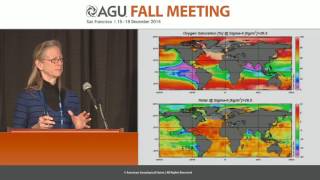
Nitrogen Loss Processes and Nitrous Oxide Turnover in Oceanic Oxygen Minimum Zones
Explores nitrogen loss in oceanic oxygen minimum zones, focusing on denitrification and anammox processes, their environmental controls, and implications for nitrous oxide production and ecosystem function.
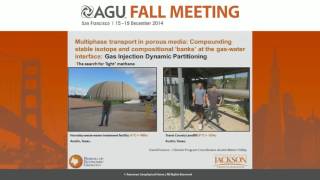
Identifying Methane Sources in Groundwater - Quantifying Changes During Multiphase Transport
Explore methane sources in groundwater and analyze compositional changes during multiphase transport using stable isotope values and advanced sampling techniques.
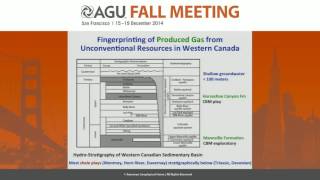
Groundwater Baseline Sampling Programs for Unconventional Gas Plays in Alberta, Canada
Explore groundwater monitoring programs in Alberta, Canada, designed to detect potential leaks from unconventional gas operations using isotope fingerprinting and other techniques.