
Advances in Diagnostic Testing for Bacteria, Viruses, and Parasites Behind Infectious Gastroenteritis
Explore advances in diagnostic testing for infectious gastroenteritis pathogens. Learn about bacterial, viral, and parasitic causes, and the importance of broad testing for effective disease management and prevention.
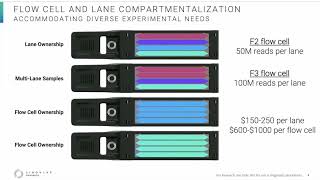
Accelerating Research with Fast, Flexible, and Cost-Efficient Next-Generation Sequencing on the G4 Platform
Explore fast, flexible, and cost-efficient next-generation sequencing on the G4 platform. Learn about core NGS applications and their data from an expert in computational biology and immunology.
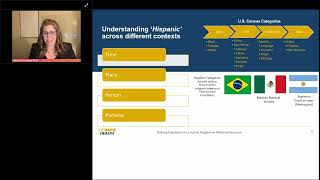
How Population-based Metrics for Diversity Shape Human Genomics Research and Reference Resources
Explore how population-based diversity metrics influence human genomics research and reference resources. Gain insights into the complexities of racial and ethnic classification in biomedical studies.
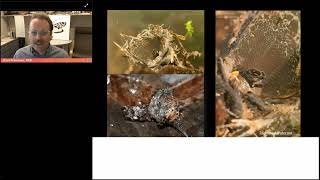
Hanging by a Thread: Using High Fidelity Long-Read Sequencing to Uncover the Genomic Basis of Insect Silk
Explore genomic advances in silk research using high fidelity long-read sequencing. Uncover hidden variations in silk genes across insects and spiders, revolutionizing our understanding of this remarkable biomaterial.

DNA Polymerases at Work: Finding Your PCR Champion
Explore DNA polymerase technology evolution and learn to select the optimal enzyme for your PCR applications, enhancing research efficiency and outcomes.
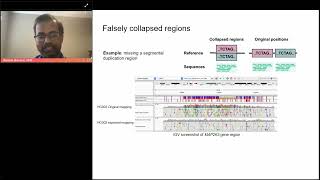
Improving Genomic Analysis by Fixing Reference Errors
Discover how to enhance genomic analysis by correcting GRCh38 reference errors, impacting variant calling in 33 protein-coding genes. Learn about FixItFelix for efficient re-analysis while maintaining existing annotations.
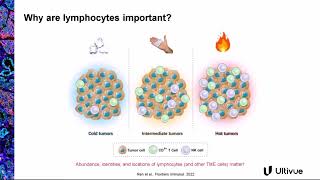
Understanding Immune Activation and Evasion in the Tumor Microenvironment - Why Lymphocyte Relationships Matter
Explore immune activation and evasion in tumors, focusing on lymphocyte relationships. Gain insights into tissue phenotyping and multiplex immunofluorescence for biomarker identification and disease understanding.
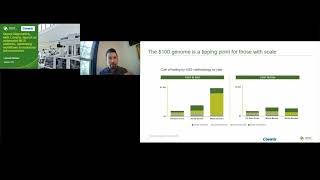
Quest Diagnostics with Covaris Launches Automated NGS Platform - Optimizing Workflows to Maximize Lab Economics
Explore advancements in automated NGS platforms and optimized workflows for improved lab economics in genomics and oncology, featuring insights from industry experts.
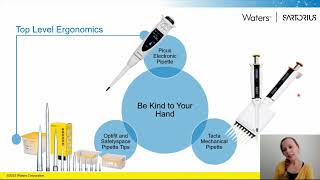
Improve Ergonomic Safety in Your Lab - Reduce Pain and Strain During Pipetting
Learn techniques to minimize repetitive strain injuries and improve ergonomic safety during pipetting, enhancing your lab work efficiency and reducing discomfort.
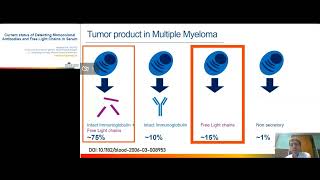
Current Status of Detecting Monoclonal Antibodies and Free Light Chains in Serum
Explore advancements in detecting monoclonal antibodies and free light chains in serum for diagnosing and monitoring multiple myeloma and related disorders. Learn about new testing methods and their clinical implications.
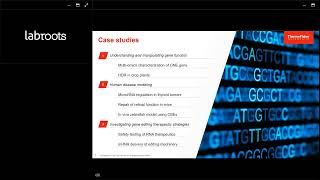
Expanding the Frontiers of Gene Editing: The Role of Genotypic Confirmation
Explore gene editing frontiers and genotypic confirmation's role in cellular physiology research, disease understanding, and treatment development. Gain insights into precision genome engineering techniques.

Advanced Imaging for Small Renal Tumors
Explore advanced imaging techniques for small renal tumors, focusing on improving diagnostic accuracy and treatment decisions. Learn about new technologies that could revolutionize management of these tumors.

Reprogramming Natural Killer Cells for Cancer Immunotherapy
Explore genetic engineering approaches to enhance natural killer cells for cancer immunotherapy, focusing on overcoming challenges in targeting aggressive solid tumors and improving immune responses.
Multifaceted Community Analyses Uncover Novel Bacterial Species in the Colorectal Tumor Niche
Explore novel bacterial species in colorectal tumors through cutting-edge genomic techniques. Gain insights into microbial diversity and potential impacts on cancer progression and treatment.
Racial Disparities in Genomic Data Quality in Cancer - Impact and Potential Mitigation
Explore racial disparities in cancer genomic data quality, their impact, and potential mitigation strategies. Gain insights into sequencing depth differences and their implications for cancer research and treatment.
Scalable Genetic Discovery Systems for Human T Cell Therapies
Explore non-viral genome targeting and pooled knockin screening for advancing cellular therapies in solid tumors. Learn about innovative methods for large-scale genetic engineering of human immune cells.

The NIH Microphysiological Systems Program: Tissue on Chips for Safety, Efficacy, and Precision Medicine Studies
Explore innovative tissue chip technology for drug development, addressing limitations in current safety and efficacy prediction methods to improve human clinical trial outcomes.
Reshaping Cell Biology Experiments for Automation
Discover how automation can revolutionize cell biology experiments, increasing efficiency, reproducibility, and scalability while reducing manual labor and enhancing traceability in laboratory workflows.

Microphysiological Systems for Biomaterials Testing and Early Cancer Research
Explore organ-on-a-chip devices for biomaterials testing and cancer research. Learn about innovative platforms like 'Tooth-on-a-chip' and bone-on-a-chip for investigating disease mechanisms and tissue interactions.

Hurdles and High Resolution of Spatial Proteomics in the Study of the Alloimmune Microenvironment in Liver Transplant Rejection
Explore spatial proteomics in liver transplant rejection, focusing on T-cell mediated rejection and Imaging Mass Cytometry for in-depth immune cell identification and spatial resolution of cell interactions.

The Known Unknowns: A Process for Bringing In Vivo CNS Dosing into Maturity
Explore challenges and approaches in maturing in vivo CNS dosing techniques. Gain insights on resolving unknowns and establishing best practices for reliable, reproducible data in this evolving field.