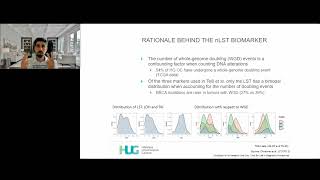
HRD Evaluation and Scoring Using OncoScan CNV Assay - A Whole-Genome Microarray Research Solution
Explore HRD evaluation and scoring using OncoScan CNV Assay, a whole-genome microarray research solution for detecting genome-wide biomarkers in ovarian and breast cancers.
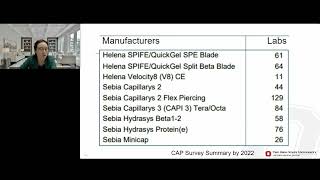
Post-gel Era for Paraproteinemia Analysis
Explore advanced methods for detecting monoclonal proteins, including mass spectrometry-based analysis. Learn to address challenges in paraproteinemia diagnosis and understand therapeutic antibody interference.

Overcome a "Big" Challenge: Progress on Mass Spectrometric Analysis of Large Molecules
Explore advancements in mass spectrometric analysis of large molecules for clinical applications. Learn key components, recent progress, and resources for efficient protein quantitation in clinical laboratories.
Development of a Novel Targeted NGS Panel for Analysis of DNA Methylation Biomarkers in Lung Cancer
Explore DNA methylation biomarkers in lung cancer through a novel targeted NGS panel, overcoming technical limitations for potential clinical applications in diagnosis and treatment.
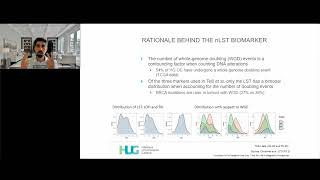
HRD Evaluation and Scoring Using OncoScan CNV Assay - A Whole-Genome Microarray Research Solution
Explore HRD evaluation and scoring using OncoScan CNV Assay, a whole-genome microarray solution for cancer research, focusing on PARP inhibitors and synthetic lethality in tumors.
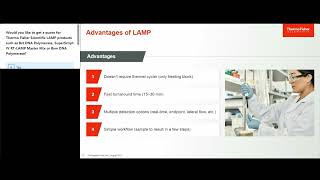
Exploring the Possibilities of Loop-Mediated Isothermal Amplification
Uncover the potential of loop-mediated isothermal amplification (LAMP) technology, its rapid DNA amplification mechanism, and transformative applications in disease diagnostics and point-of-care testing.
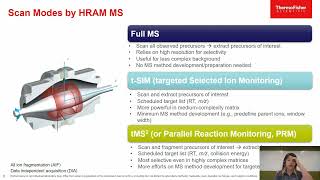
Monitoring Intact Light Chain of Therapeutic Monoclonal Antibodies in Human Serum by LC-MS for Clinical Research
Explore intact light chain quantitation for measuring therapeutic mAb concentrations in human serum using Orbitrap Exploris 240 MS. Learn about simplified workflows and solutions for challenging mAbs.
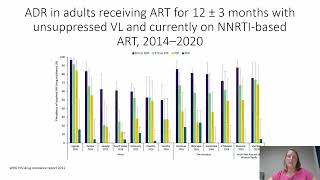
HIV-1 Genotyping Targeting Integrase - Perspectives on Surveillance of Antiretroviral Drug Resistance
Explore HIV-1 drug resistance surveillance, focusing on South Africa's efforts and a new genotyping kit targeting protease, reverse-transcriptase, and integrase inhibitors.
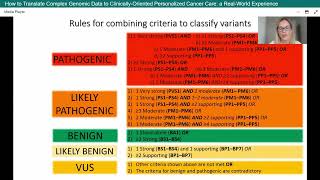
How to Translate Complex Genomic Data to Clinically-Oriented Personalized Cancer Care
Explore real-world application of translating complex genomic data into personalized cancer care, focusing on NGS testing and variant interpretation for hereditary cancers.

Towards A Global Federated System for Biosurveillance and Pandemic Early Warning Using Genomic, Epidemiological, Climate and Environmental Data
Explore a global federated system for biosurveillance using genomic, epidemiological, climate, and environmental data to model biological risks and enhance pandemic early warning capabilities.
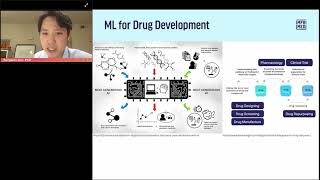
Moving Beyond Mutation - AI-driven Functional Precision Medicine for Cancer
Explore AI-driven functional precision medicine for cancer, combining live-cell assays, immune profiling, and machine learning to predict drug efficacy and improve treatment outcomes.
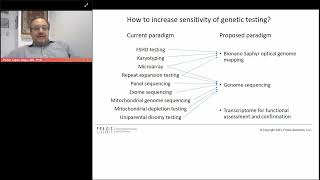
The Advantage of Combining Short Read Whole Genome Sequencing, Optical Genome Mapping and Transcriptome Analysis in Constitutional and Cancer Diagnostics
Explore the benefits of combining short read whole genome sequencing, optical genome mapping, and transcriptome analysis for improved constitutional and cancer diagnostics.
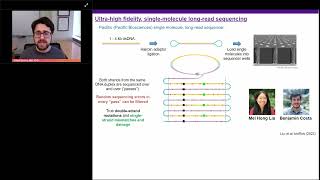
Sequencing Single-Strand Mismatch and Damage Patterns by Long-Read Sequencing
Explore a novel long-read sequencing method for detecting single-strand DNA mismatches and damage, enabling new insights into mutation origins in healthy tissues and cancer.
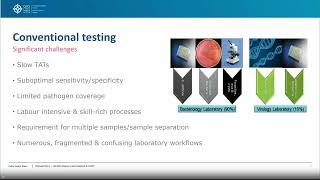
Talking Diagnostics - A Culture Moving to PCR
Explore the shift from traditional culture methods to PCR in infectious disease diagnostics, focusing on improved speed, accuracy, and patient care implications.
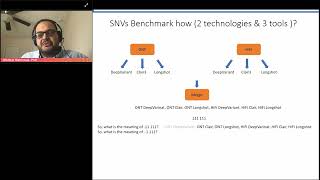
Long-read Sequencing at Scale and High Accuracy
Explore long-read sequencing's advantages in genome analysis, focusing on accuracy improvements for complex genes and large-scale cohort studies in personalized medicine initiatives.
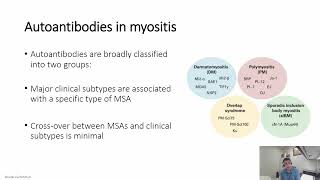
Autoantibodies in Myositis: Clinical Importance and Current Laboratory Methods for Detection
Explore inflammatory myopathies, their classification, and laboratory detection methods for associated autoantibodies. Gain insights into pathophysiology and current diagnostic approaches.
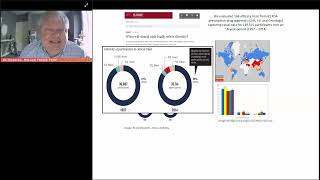
Precision Medicine as a Population Health Strategy
Explore precision medicine's impact on population health, from genomics in oncology to pharmacogenomics. Learn about broad sequencing panels and their potential to alter disease trajectories across populations.
Advancing Cancer Research with Tools for Liquid Biopsy
Explore cutting-edge tools for liquid biopsy in cancer research, enhancing early detection and treatment effectiveness. Learn from expert Dr. Laure Jobert about innovative approaches to combat this global health challenge.

How to Choose Clinically Relevant Targets for Infectious Disease Panels
Learn strategies for selecting clinically relevant targets when developing infectious disease molecular panels, and understand the impact on reimbursement. Gain insights from experts on creating effective diagnostic tests.
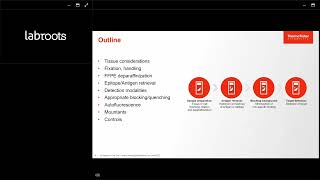
Tissue Preparations and Handling for Multiplex Imaging in Spatial Biology Research
Explore tissue preparation techniques for multiplex imaging in spatial biology, enhancing molecular detection and spatial resolution for advanced research applications.
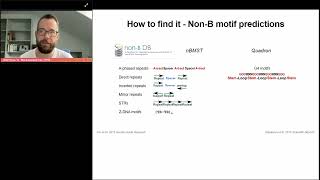
Sequencing Errors and Alternative DNA Structures
Explore how non-B DNA structures affect sequencing errors across Illumina, PacBio HiFi, and Oxford Nanopore technologies, and learn their implications for genomic studies.