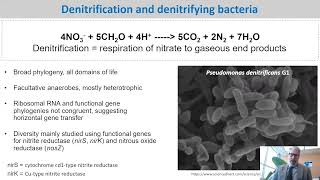
Microbial Life in the Uranium-Contaminated Subsurface of the Oak Ridge Integrated Field Research Challenge Site
Explore microbial communities in uranium-contaminated subsurface at Oak Ridge, examining long-term effects of mixed-waste contamination and potential remediation strategies through cultivation-based and molecular analyses.

The Molecular Twin Platform: A Multi-Omic Approach for Predicting Accurate Clinical Outcomes
Explore a multi-omic AI platform combining tumor and host data to predict disease survival outcomes using advanced biomarker panels and machine learning techniques.
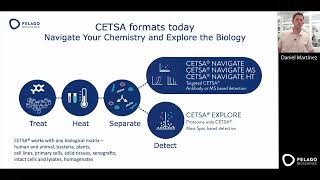
Impact of Cell Background on Small Compound Target Deconvolution by CETSA Coupled to Mass Spectrometry
Explore CETSA's role in target engagement and mode of action deconvolution, focusing on cell background impact and mass spectrometry coupling for small compound analysis.
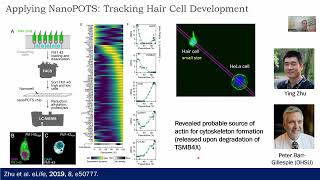
HyperSCP - Combining Isotopic and Isobaric Labeling for Higher Throughput Single-Cell Proteomics
Explore advancements in mass spectrometry-based single-cell proteomics, focusing on improved sensitivity and measurement throughput using isotopic and isobaric labeling techniques.
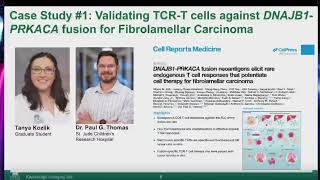
Leveraging Real-Time Biology to Streamline the Discovery, Validation, and Translation of Cell-Based Therapies for Cancer
Explore how real-time biological data can enhance cell-based cancer immunotherapy research, addressing challenges in experimental throughput and linking multi-modal data to individual cells.
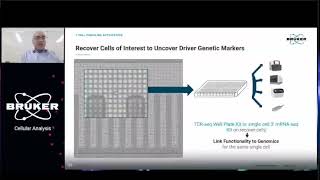
Harnessing the Power of Beacon Platform to Accelerate Antibody Discovery and Cell Therapy Development
Explore Bruker's Beacon® Optofluidic System for comprehensive single-cell analysis, enabling serial multi-modal examination and real-time imaging to accelerate antibody discovery and cell therapy development.
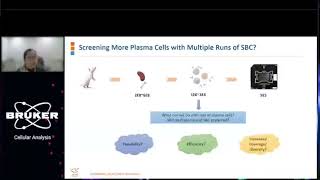
Full Human Antibody Discovery with Beacon and Harbour Mice
Explore advanced human antibody discovery techniques using Beacon system and Harbour Mice® technology. Learn about single B cell cloning, NGS integration, and in-chip assays for efficient screening and diverse antibody development.
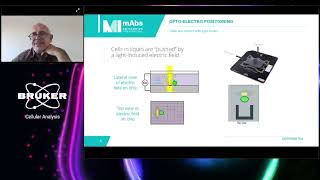
Accelerating the Antibody Discovery Workflow in the Modern Therapeutic Landscape
Explore innovative RNA immunization and single-cell screening approaches to accelerate antibody discovery against challenging targets, enhancing diversity and efficiency in therapeutic development.
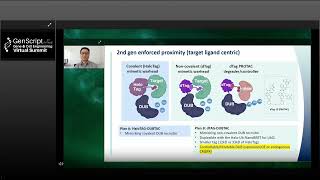
Advancing Protein Stabilization Therapeutic Development and DUBTAC Drug Discovery through Gene and Cell Engineering
Explore genetically modified cell models for drug discovery, focusing on protein stabilization and DUBTAC approaches. Learn how engineered cell lines accelerate therapeutic development and enable disease modeling.
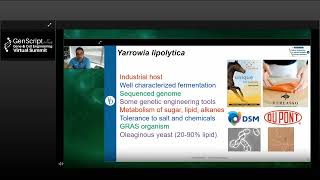
Developing Genetic Engineering Tools for Non-Conventional and Non-Model Yeast
Explore genetic engineering tools for non-conventional yeast, focusing on microorganisms' role in circular processes and their potential for complex product conversion.
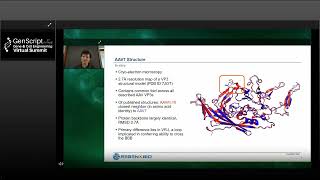
Characterization and Biodistribution of REGENXBIO NAV Platform Capsids: Under-Employed Gene Therapy Vector AAV7
Explore adeno-associated virus (AAV) capsids for gene therapy, focusing on less-studied variants with potential benefits in potency, tissue tropism, and reduced immunogenicity.
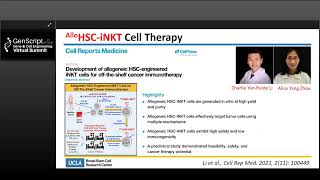
Harnessing iNKT Cells for Off-The-Shelf Cancer Therapy
Explore the potential of iNKT cells in developing allogeneic cancer immunotherapy. Learn about their unique properties and advantages in creating scalable, off-the-shelf cell products for cancer treatment.
SLEEK - A Highly Efficient Transgene Knock-in Technology in Clinically Relevant Cell Types
Explore SLEEK, an efficient transgene knock-in technology for clinically relevant cell types. Learn about this CRISPR-based method for improved gene editing and its potential impact on cell-based medicines.
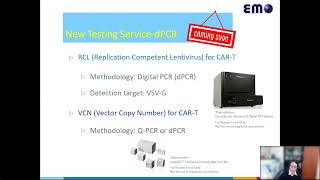
The Experience of Development and Verification of Analytical Platforms for Cellular and Gene Therapy
Explore development and verification processes for analytical platforms in cellular and gene therapy, focusing on key challenges and innovative solutions.
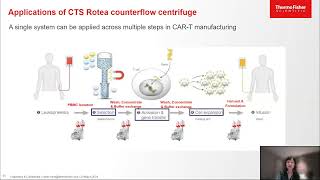
Advancing Process Efficiency for End-to-End Manufacturing of T Cell Immunotherapies
Explore cutting-edge techniques to enhance T cell immunotherapy production efficiency, from initial processing to final product manufacturing.
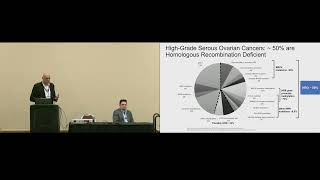
Implementing CGP and HRD Testing In-House for Advanced Cancer Care
Explore implementing CGP and HRD testing in healthcare, covering technical aspects, concordance with other assays, and benefits of in-house testing for matching patients with therapies.
The Future of Cutting-Edge Genomic Technologies for Liquid Biopsy Cancer Research - Part 2
Explore cutting-edge genomic technologies for liquid biopsy in cancer research, focusing on minimally invasive approaches to analyze biomarkers in blood samples.
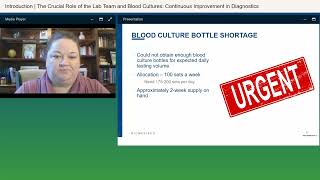
The Crucial Role of the Lab Team and Blood Cultures: Continuous Improvement in Diagnostics
Explore blood culture reporting's role in improving diagnostics. Learn from Dr. Nicole Hubbard about specimen collection, laboratory quality, and diagnostic stewardship in clinical pathology.
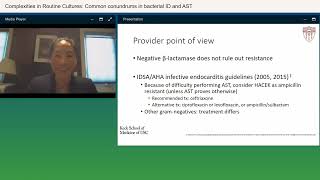
Complexities in Routine Cultures: Common Conundrums in Bacterial ID and AST
Explore case studies addressing challenges in bacterial identification and antimicrobial susceptibility testing through expert insights on breakpoints and testing complexities.
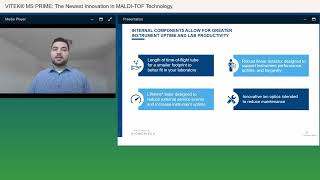
VITEK MS PRIME - The Newest Innovation in MALDI-TOF Technology
Discover the features and benefits of VITEK® MS PRIME, the latest innovation in MALDI-TOF technology for clinical diagnostics.
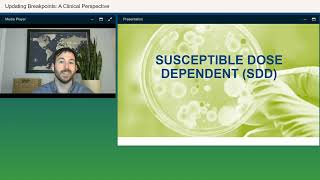
Updating Breakpoints - A Clinical Perspective
Gain a clinician's perspective on updating breakpoints in antimicrobial susceptibility testing. Explore considerations, methods, and benefits for improving patient care and antibiotic stewardship.