
Respiration During Exercise
Explore how the body regulates breathing during physical activity, including the roles of the cerebral cortex, proprioreceptors, cardiac output, and oxygen delivery.

Respiratory - Mechanics of Breathing: Inspiration
Detailed exploration of inspiration mechanics and pressure changes during breathing, using anatomical models for visual aid. Continuation of a three-part series on respiratory physiology.
Respiratory - Mechanics of Breathing: Pressure Changes
Explore pressure changes during breathing mechanics in this comprehensive lecture, covering key concepts and physiological processes involved in respiration.

Respiratory - External Respiration: Partial Pressures & Solubilities
Explore external respiration, focusing on partial pressures and solubilities in the respiratory system. Learn key concepts for understanding gas exchange and respiratory physiology.

Respiratory - Oxygen-Hemoglobin Dissociation Curve
Explore the oxygen-hemoglobin dissociation curve, including the Bohr and Haldane effects, to understand how oxygen binds to and is released from hemoglobin in the body.

Respiratory - Compliance & Elasticity
Explore factors influencing lung compliance and elasticity, including surface tension, lung elasticity, thoracic cage flexibility, and surfactant production. Learn about clinical scenarios where compromised elasticity leads to pathology.

Respiratory - Airway Resistance
Comprehensive exploration of airway resistance in respiratory physiology, covering key concepts, factors influencing resistance, and clinical implications for respiratory health.

Tissue Hypoxia - Respiratory Physiology - Pulmonary Medicine
Explore tissue hypoxia causes, including ischemia, hypoxemia, and hemoglobin abnormalities. Learn about inadequate tissue oxygenation and its implications in respiratory physiology and pulmonary medicine.
Respiratory Acidosis and Alkalosis - Acid-Base Imbalance
Comprehensive overview of respiratory acid-base disorders, covering causes, physiological mechanisms, and clinical implications of acidosis and alkalosis in the respiratory system.
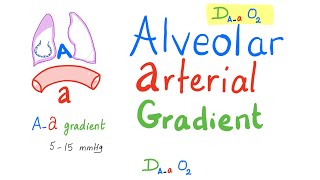
Alveolar-Arterial Gradient - Respiratory Physiology and Pathology - Pulmonary Medicine
Explore the Alveolar-arterial gradient in respiratory physiology, its calculation, and its role in differentiating lung diseases. Learn to interpret A-a gradient values for improved diagnosis.
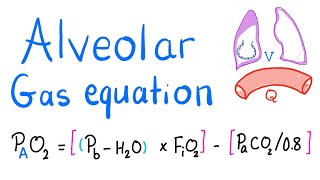
Alveolar Gas Equation - Lung Physiology
Comprehensive explanation of the Alveolar Gas Equation, covering key components like atmospheric pressure, water vapor, inspired oxygen, and arterial blood gases in lung physiology.
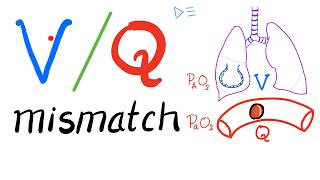
Ventilation-Perfusion Ratio and V-Q Mismatch
Explore ventilation-perfusion ratio, mismatch, dead-space physiology, and pulmonary shunting. Gain insights into intrapulmonary and intracardiac shunts for a comprehensive understanding of respiratory physiology.

Diffusion Capacity of Carbon Monoxide - Pulmonary Medicine
Comprehensive exploration of carbon monoxide diffusion capacity in lungs, covering physiological principles, measurement techniques, and clinical implications for respiratory health assessment.
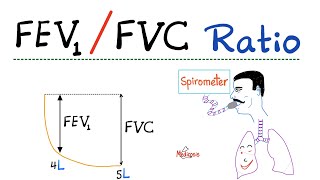
FEV1-FVC Ratio - Pulmonary Medicine - Obstructive vs Restrictive Lung Disease - Respiratory Physio
Explore FEV1/FVC ratio in pulmonary medicine, distinguishing obstructive and restrictive lung diseases through respiratory physiology concepts and diagnostic interpretations.
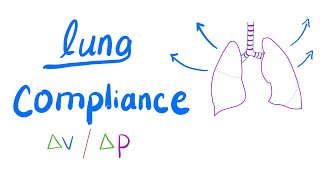
Lung Compliance - Surface Tension - Emphysema - Respiratory Physiology
Explore lung compliance, surface tension, and emphysema in respiratory physiology. Gain insights into pulmonary mechanics and their impact on breathing efficiency.

Gas Exchange and The Oxygen-Dissociation Curve
Comprehensive exploration of gas exchange and oxygen-dissociation curve in respiratory physiology. Covers key concepts, shifts, and applications for medical exams and clinical understanding.

How Your Lungs Regulate Your Arterial Blood pH - ABG - Respiratory System - Biology Series
Explore the intricate relationship between lung function and blood pH regulation, covering arterial blood gases, acidosis, alkalosis, and respiratory system's role in maintaining pH balance.

The Mechanics of Breathing - Normal Inhalation and Exhalation - Respiratory Physiology
Explore the physiological processes of inhalation and exhalation, including lung volume changes, pressure dynamics, and Boyle's Law in respiratory function.

Ventilation, Compliance and Lung Pressures - Respiratory Physiology - Pulmonology
Comprehensive exploration of respiratory mechanics, covering lung volumes, capacities, pressures, and compliance. Ideal for medical students and healthcare professionals studying pulmonary physiology.
Ventilation-Perfusion Ratio - Part 2
Comprehensive exploration of ventilation-perfusion ratio, examining physiological factors affecting gas exchange in lungs and their clinical implications for respiratory function.

Types of Hypoxia - Respiratory, Hypoxemia, and Hypoxemic Conditions
Comprehensive exploration of hypoxia types, causes, and treatments, including oxygen therapy responses for various conditions affecting tissue oxygenation.