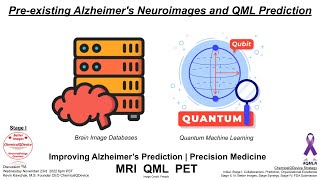
Pre-existing Alzheimer's Neuroimages and Quantum Machine Learning Prediction
Explore quantum machine learning applications for Alzheimer's prediction using pre-existing neuroimages. Discover recent FDA approvals, regulatory standards, and key research supporting this innovative approach.
QML Product Development for Neuroimaging and Alzheimer's
Explore quantum machine learning for neuroimaging in Alzheimer's research. Learn product development strategies, QML techniques, and healthcare innovation principles to advance neuroimaging solutions.
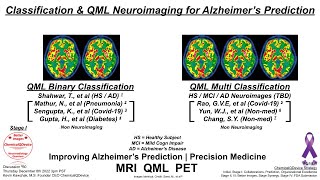
Classification and QML Neuroimaging for Alzheimer's Prediction
Explore quantum machine learning for Alzheimer's prediction using neuroimaging. Learn about recent advancements, Pennylane circuits, and potential business applications in healthcare and neurological disorders.
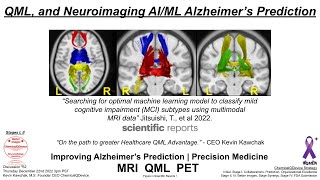
QML and Neuroimaging AI/ML for Alzheimer's Prediction
Explore cutting-edge AI/ML and quantum computing applications in Alzheimer's prediction using neuroimaging. Learn about multimodal approaches, recent research, and industry developments in QML for medical imaging.
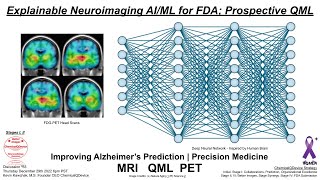
Explainable Neuroimaging AI/ML for FDA and Prospective QML
Explore explainable AI in neuroimaging, focusing on FDA requirements and future quantum machine learning applications. Gain insights into transparent algorithms for medical decision-making.
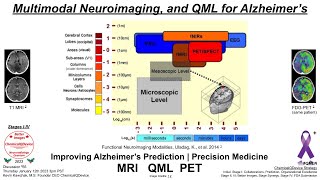
Multimodal Neuroimaging and Quantum Machine Learning for Alzheimer's Detection
Explore multimodal neuroimaging and quantum machine learning applications for Alzheimer's detection. Gain insights into AI's medical history, industry strategies, and potential advancements in neuroimaging fusion techniques.
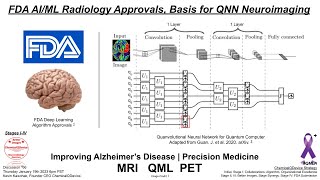
FDA AI/ML Radiology Approvals - Basis for Quantum Neural Network Neuroimaging
Explore FDA approvals for AI/ML in radiology and their implications for quantum neural networks in neuroimaging. Gain insights into regulatory processes and future prospects for quantum-based medical algorithms.
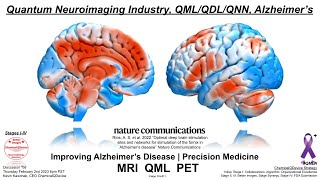
Quantum Neuroimaging for Alzheimer's: Applications of QML, QDL, and QNN
Explore quantum neuroimaging advancements for Alzheimer's, focusing on QML, QDL, and QNN applications in neuroscience and radiology. Gain insights into future innovations and industry pain points.
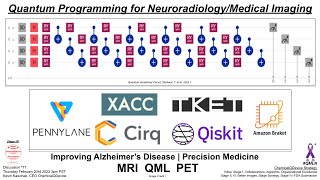
Quantum Programming for Neuroradiology and Medical Imaging
Explore quantum programming advancements for neuroradiology applications, focusing on Alzheimer's disease classification using Quantum Variational Circuits, QCNNs, and scalable quantum neural networks.
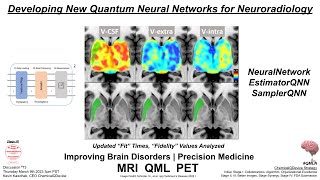
Developing New Quantum Neural Networks for Neuroradiology
Explore quantum neural networks for neuroradiology, focusing on modifications to Qiskit/Python circuits, updated fit times, fidelity values, and applications in MRI/PET image classification.
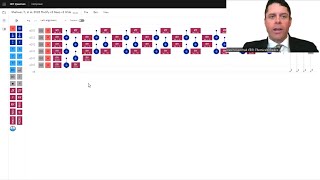
Quantum Gate Calculations to Brain Algorithms Design - Live Demo
Explore quantum gates and circuits in IBM Qiskit, focusing on applications in neuroradiology and brain MR image classification using hybrid classical-quantum networks.
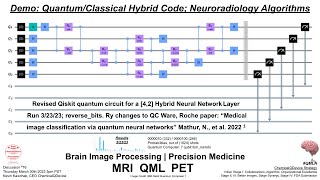
Quantum-Classical Hybrid Code for Neuroradiology Algorithms - Demo
Explore quantum-classical hybrid systems for neuroradiology, focusing on potential advancements in data processing, kernel sizes, and qubit entanglement for improved medical image analysis.
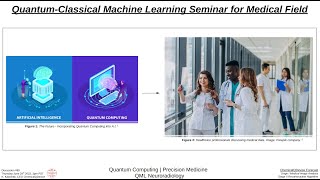
Quantum Classical Machine Learning for Medical Applications
Explore hybrid machine learning in healthcare, discussing quantum computing applications with EHR data and medical images. Gain insights into emerging technologies for healthcare professionals.
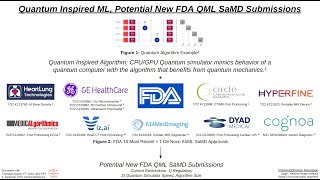
Quantum Inspired Machine Learning for FDA Quantum ML Software as Medical Device Submissions
Explore quantum-inspired algorithms for FDA AI/ML medical device submissions. Analyze recent approvals and potential quantum implementations in healthcare software.
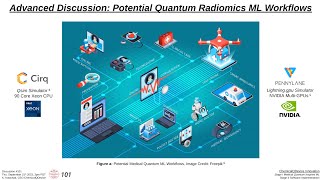
Advanced Discussion: Potential Quantum Radiomics ML Workflows
Explore quantum machine learning workflows for medical imaging, focusing on efficient state vector circuits, pure state representations, and exact expectation values. Discover recent advancements in large-scale quantum simulations.
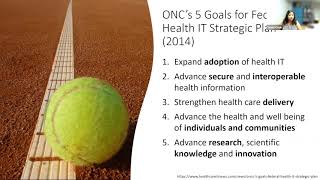
The Future of Imaging Informatics - Enabling the Quintuple Aim in Healthcare
Explore imaging informatics with Dr. Tessa Cook, covering its role in healthcare's quintuple aim, hot topics, cutting-edge research, and strategies for improving patient care and physician experience.
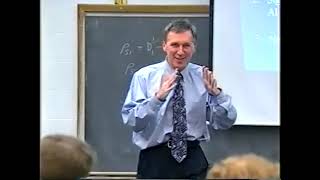
AI and the Impending Revolution in Brain Sciences - 2002
Explore the synergy between AI and brain sciences, examining how AI architectures interpret brain activity data and how machine learning discovers patterns in neurological research.
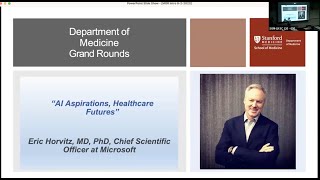
AI Aspirations and Healthcare Futures - August 2, 2023
Explore AI's transformative potential in healthcare with insights from Microsoft's Chief Scientific Officer on future innovations and challenges.
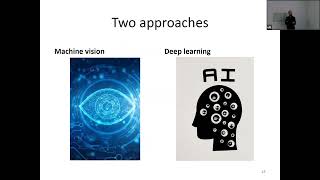
Machine Vision vs Deep Learning in Cancer Detection
Explore machine vision and deep learning applications in cancer diagnosis, comparing their strengths and limitations. Gain insights into innovative computer-aided methods for analyzing microscopic images of breast cancer tissue.

Machine-Learning Enabled Imaging: From Microscopy to Medical Imaging to Astronomy - Kirk Lecture
Explore machine learning's impact on imaging across microscopy, medical imaging, and astronomy. Learn how neural networks leverage training data and physical models for improved image quality and resolution.
Knowledge-Adapted Fine-Tuning for Medical Vision Language Models
Explore how Knowledge-Adapted Fine-Tuning (KnowAda) improves vision-language models in medical AI, reducing hallucinations while maintaining accurate image descriptions and diagnostic capabilities.