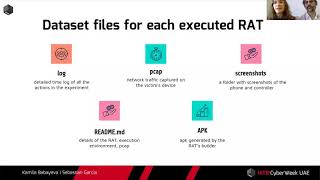
Android RATs Detection With a Machine Learning-Based Python IDS
Explore Android RATs detection using machine learning and Python IDS. Learn about dataset creation, Slips IDS implementation, and live demo of RAT activity detection in mobile device network traffic.
Might As Well JUMP - Exploit Development For Java Serialization
Explore Java serialization exploit development, including 0day custom exploits, reverse engineering, and ROP techniques. Learn to break HMAC/MAC and create Python exploits for educational purposes.
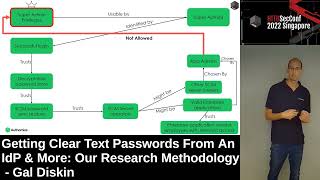
Getting Clear Text Passwords From An IdP & More
Explore privilege escalation in Okta, including methods to obtain clear text passwords and impersonate super-admins. Learn about knowledge graphs for trust analysis in vulnerability discovery and research collaboration.
Template Injection on Hardened Targets
Explore advanced template injection techniques for hardened Python and JavaScript environments. Build custom tools to tackle increasingly complex challenges in containerized web applications.
Hedy - A Gradual Programming Language
Explore Hedy, a gradual programming language designed to bridge the gap between visual and textual coding for kids, featuring localized keywords and progressive syntax complexity.

Polymorphism Unbound
Explore polymorphism across languages like C++, Java, Python, Kotlin, and Scala. Gain insights into different forms, abilities, and constraints to enhance your understanding of this fundamental concept.
Vajra - Step-by-Step Programming with Natural Language
Explore a novel end-user programming system that translates natural language commands into Python code, bridging the gap between human intent and programming constructs.
Cardboard Machine Kit - Modules for the Rapid Prototyping of Rapid Prototyping Machines
Explore modular cardboard kit for building custom digital fabrication machines. Learn rapid prototyping techniques and expand application spaces for novice machine builders.
Analyzing Malicious Office Documents
Learn techniques to analyze malicious Microsoft Office documents using Python tools like oledump and YARA rules. Hands-on exercises guide you through step-by-step analysis without requiring Office software.

The Card10 Badge - Two Years of Evolution
Explore the evolution of the card10 badge, a wearable bio-sensor device, with new firmware features, improved Bluetooth connectivity, and expanded applications like indoor climate sensing and ECG monitoring.
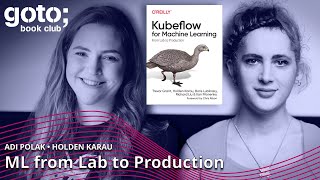
Kubeflow for Machine Learning
Explore Kubeflow for ML: tooling, scaling Python with Dask/Ray, API comparisons, and insights on distributed computing. Learn from experts about advancements in machine learning infrastructure.
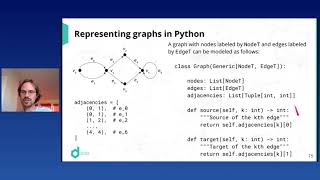
Graph Neural Networks for Information Extraction with PyTorch
Explore graph neural networks for information extraction using PyTorch, focusing on applications in NLP and understanding tabular documents through spatial encoding of word relationships.
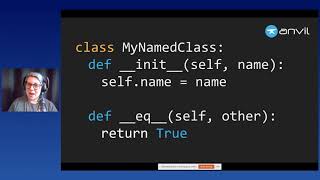
Pointers? In My Python? It's More Likely Than You Think
Explore CPython's memory management, object lifetimes, and pointer behavior. Gain insights into 'is' vs '==', deepcopy, and garbage collection for better Python programming and debugging skills.
Learn CPython by Breaking It
Explore CPython internals, demystify C extensions, and gain insights into Python's inner workings. Suitable for all skill levels, with guided explanations of C code.
Python the Bad Parts
Explore Python's challenges and potential improvements in performance, standard library, garbage collection, and core development, with insights on future directions and community initiatives.
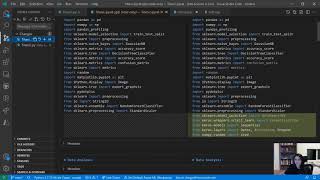
Python Data Science with VS Code and Azure
Discover how Native Notebooks in VS Code enhance data science workflows and learn to deploy machine learning models using Azure Machine Learning service for improved productivity and efficiency.
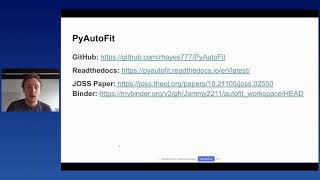
PyAutoFit - A Classy Probabilistic Programming Language For Data Science
Explore Bayesian inference with PyAutoFit, a probabilistic programming language for data science. Learn core features, model composition, and advanced tools for big data analysis and parallel computing.
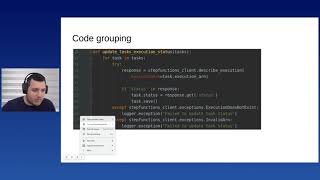
Building a Clean, Maintainable and Tested Code Base
Explore best practices for clean, maintainable Python code, including type hinting, docstrings, project structure, and effective unit testing strategies with pytest.
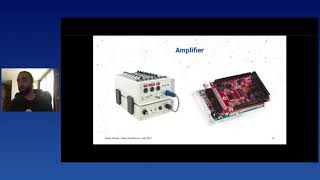
Building Brain-Computer Interfaces with Timeflux
Explore brain-computer interfaces using Timeflux, covering neurophysiology basics, hardware options, and framework architecture. Learn to build processing pipelines and web interfaces for mind-controlled applications.
An Introduction to Kubernetes
Explore Kubernetes concepts through deploying a Django application, gaining confidence in understanding and discussing this popular container orchestration platform.
Speed Up Data Access with PyArrow Apache Arrow - Data is the New API
Explore Apache Arrow's columnar memory format for fast, language-independent data access. Learn about PyArrow integration, performance benefits, and Apache Flight for analytics.