Reactive Machine Learning On and Beyond the JVM
Explore reactive machine learning techniques for building scalable, responsive AI systems using JVM languages and beyond, with real-world examples and cartoon animal guides.

Graal.JS - High-Performance JavaScript on the JVM
Explore Graal.JS, a high-performance JavaScript engine on the JVM. Learn about its architecture, parallel execution support, and interoperability with Java and other languages like Ruby, Python, and R.
Second Generation Workflow Managers for Big Data
Explore modern Python-based workflow managers for big data, focusing on Luigi from Spotify, with comparisons to Pinball and Airflow. Learn about agile and extendable tools for efficient job scheduling.

Lukas: Von pits und lands zu Musik: Wie funktioniert eigentlich eine Audio-CD?
Entdecken Sie die faszinierende Technik hinter Audio-CDs: Von der Signalverarbeitung bis zur Dekodierung. Erfahren Sie, wie ein Hobby-Projekt zu wertvollen Erkenntnissen über diese 40 Jahre alte Technologie führte.
A Practical Introduction to Convnets for Image Classification
Practical guide to developing CNN-based image classification pipelines, covering dataset handling, architecture design, training, and evaluation. Explores real-world applications in robotics and biomedicine.
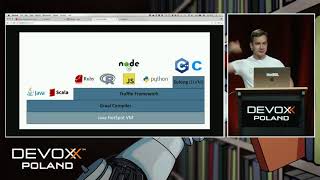
Ten Things You Can Do With GraalVM
Explore GraalVM's capabilities: polyglot support, JIT compilation, native image generation, debugging, profiling, and embedding for enhanced Java ecosystem performance and flexibility.
Observability in the MLOps Lifecycle with Prometheus
Explore MLOps monitoring with Prometheus, covering ML deployment challenges, data drift, and model metrics. Learn to enhance existing systems and integrate with tools like Flyte, Seldon Core, and FastAPI.

Finding Traffic Anomalies Using SSL Certificates
Explore techniques for detecting traffic anomalies using SSL certificates, including metadata analysis, Python scripting, and visualization tools for enhanced network security monitoring.

Getting the Most out of Freq and Domain Stats
Explore advanced techniques for leveraging Freq and Domain_Stats tools in cybersecurity analysis, enhancing threat detection and network monitoring capabilities.

Introduction to Data Analysis with Security Onion and Other Open Source Tools
Learn data analysis techniques for cybersecurity using open-source tools like Security Onion and Python. Explore PANDAS, ElasticSearch, frequency analysis, and time series analysis for effective threat hunting.
Practical Cyborgism - Machine Learning for Bro Logs
Explore machine learning techniques for analyzing Bro logs, focusing on supervised and unsupervised methods to enhance cybersecurity threat detection and analysis.
Mutation Testing in Python
Explore mutation testing in Python to validate test suites, detect unnecessary code, and improve coverage analysis. Learn about algorithms, mutations, and tools like Cosmic Ray for enhancing software quality.
Globally Distributed Cloud Application at Netflix
Explore Netflix's cloud migration, global architecture, and open-source tools. Learn about AWS deployment, Cassandra integration, and building custom PaaS for scalable, resilient applications.
Scaling Pinterest
Explore Pinterest's growth journey, from startup to tech giant. Learn about scaling challenges, technology decisions, and lessons learned in building a platform for hundreds of millions of users.

Scalable Data Science and Deep Learning with H2O
Explore scalable machine learning and deep learning with H2O, featuring in-memory compression, multi-language support, and interactive workflows for efficient data analysis and predictive modeling.
Your Superpower User Manual
Explore how to leverage cloud services and Python tools for data analysis and visualization, unlocking your potential to tackle practical questions with powerful computing resources.

Analyzing Pwned Passwords with Apache Spark
Explore large-scale password analysis using Apache Spark, covering data processing techniques, popular password trends, and security implications of leaked credentials.

It Really is Easier to Ask for Forgiveness than Permission
Explore Python's "ask forgiveness" approach: its benefits, efficiency, and how it enhances code expressiveness and flexibility compared to traditional error-handling methods.

Bridging the Chasm Between Research and Software Development - A Story From a Fertility App
Explore strategies to bridge the gap between research and software development in data science projects, focusing on MLflow for managing machine learning lifecycles.
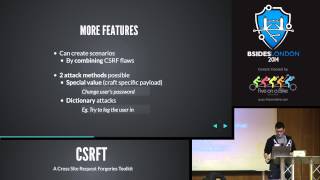
CSRFT - A Toolkit for CSRF Vulnerabilities
Explore a Python-based toolkit for exploiting CSRF vulnerabilities, including demos of complex exploitation techniques and a custom HTTP proxy for injecting malicious iframes.
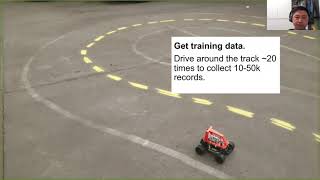
How to Train Your Self-Driving - Dragon Car
Explore open-source autonomous vehicle technology with Donkey Car. Learn to build, test, and deploy AI networks for self-driving cars using Python, Raspberry Pi, and convolutional neural networks.