Vaccines Work, Whether or Not You Believe in Them
Experts discuss vaccine efficacy, debunk myths, and address public concerns in this informative talk on immunization science, policy, and societal impact.
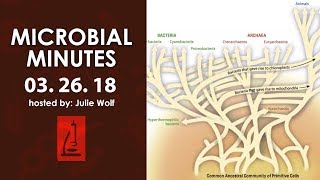
How Drugs Affect Microbiome, AI and Virus Hunting, and Which Seat on the Plane Makes You Sick
Explore microbiome impacts of non-antibiotics, AI-driven virus discovery, insights into early life, disease spread on planes, and increased science funding in this comprehensive microbiology update.
FDA Standards for AST - GOF Experimental Policy Change - and Ebola Survivor Memory
Explore FDA standards, GOF policy changes, and Ebola antibodies. Gain insights on hypervirulent Klebsiella pneumoniae, C. difficile virulence, and white-nose syndrome in bats. Stay updated on crucial microbiology developments.
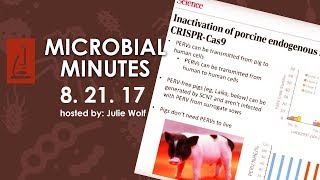
Zika - Archaea Chromatin - Abx Susceptibility Testing - Probiotic Clinical Trial - Engineered Pigs
Explore recent microbiology discoveries: Zika virus vectors, archaeal DNA packaging, rapid antibiotic testing, probiotic infant protection, and engineered pigs for safer organ transplants.
Emerging Microbial Threats at the Human-Animal-Ecosystem Interface
Explore emerging infectious diseases, their factors, and global challenges. Learn about transmission routes, microbial adaptation, and strategies for prevention and response in this comprehensive lecture.
Windshield Wiper Fluid - A Source of Legionnaires?
Explore the surprising link between windshield wiper fluid and Legionnaires' disease, including findings from a school bus study and implications for public health.
Antibiotic Stewardship - Saving Drugs, Saving Money
Explore antibiotic stewardship programs' impact on reducing antibiotic use and costs in healthcare settings, featuring case studies and expert discussions on implementation strategies and outcomes.
An Epidemiological Survey of Toothbrush Contamination in Communal Bathrooms
Explores fecal coliform transmission via toothbrushes in communal bathrooms, discussing research findings, health implications, and preventive measures for oral hygiene.
The Dearth of Antibiotic Development
Experts discuss the antibiotic development crisis, exploring reasons for the decline, new initiatives, and strategies to revitalize the pipeline and combat antimicrobial resistance.
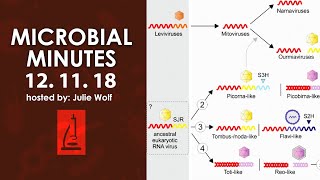
Bacteria Speciation, Ancient Bacteria, and Drug-Resistant Infection Deaths - Microbial Minutes
Explore recent microbiology research on bacterial speciation, ancient pathogens, and antibiotic resistance. Discover insights on RNA viruses, prion diseases, and the impact of drug-resistant infections.
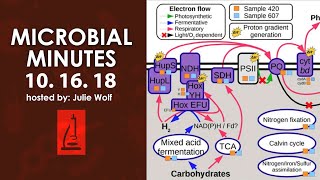
Ancient Viruses, Addiction, and Underground Cyanobacteria - Microbial Minutes
Explore recent microbiology discoveries: ancient viruses linked to addiction, underground cyanobacteria, and the impact of glyphosate on honeybees. Learn about RNA viruses, pathogens, and vaccine effects on public health.
Food-Borne Diseases Transmitted by Parasites
Experts discuss the global impact of food-borne parasitic diseases, exploring their distribution, differences from bacteria, and specific cases like exotic parasites in sushi.
Molecular Epidemiology - Critical Applications in Public Health and Clinical Laboratories
Explore emerging technologies in molecular epidemiology and their impact on public health and clinical laboratories. Learn about pathogen genomics, metagenomics, and their applications in disease surveillance and outbreak investigations.
Neglected Tropical Diseases Update
Explore neglected tropical diseases' global impact, innovative treatments, and vaccine development with Prof. Hotez. Learn about mass treatment strategies and efforts to combat these widespread yet overlooked conditions.
Innovation in a Time of Crisis - Adapting Active Learning Approaches for Remote Biology Courses
Strategies for adapting active learning approaches in remote biology education, focusing on innovative techniques to engage students and maintain educational quality during crisis situations.
COVID-19 Variants and Next Steps for Pathogen Genomic Sequencing and Surveillance
Experts discuss CDC's Advanced Molecular Detection Program, focusing on COVID-19 variant sequencing, surveillance strategies, and collaborative efforts to scale up genomic sequencing capabilities in the US.
How CDC is Fighting Zoonotic Diseases
Explore CDC's strategies against zoonotic diseases with Dr. Khabbaz, covering emerging threats, pandemic preparedness, and public health infrastructure in this expert discussion.
Antimalarial Drug-Resistance
Explore antimalarial drug resistance with expert Prof. Sir Nicholas White. Learn about resistance factors, genetic mechanisms, and future prevention strategies for Plasmodium species.
Antibiotic Resistant Bacteria
Explore the NIH's battle against antibiotic-resistant Klebsiella pneumoniae using DNA sequencing. Learn about outbreak tracing, infection control, and the challenges of combating this urgent threat in hospitals.
Bringing the Frontiers of Science to the Front Lines of Development
Bill Gates discusses global health challenges, emphasizing microbial sciences' role in fostering innovations. He explores topics like childhood mortality, polio eradication, malaria, and superbugs, highlighting the importance of research and internationa…
Sharing of Tooth Decay Causing Bacterium Among Children and Their Families
Research reveals children acquire tooth decay-causing bacteria from diverse sources, challenging the mother-to-child transmission theory. Findings highlight the importance of considering multiple transmission routes in dental caries prevention.