
HIV Testing
Explore HIV testing methods, protocols, and best practices for effective prevention and early detection strategies.
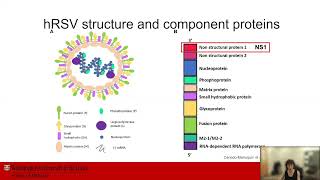
Viral Hijacking - How hRSV NS1 Wrests Control of Host Immune Regulation
Explore how hRSV NS1 manipulates host immune regulation, focusing on its global health impact and mechanisms of viral control in respiratory infections.
Medication Side Effects and Vaccinations for Scleroderma Patients
Learn to manage scleroderma medication side effects, communicate effectively with doctors, and understand the importance of vaccinations for autoimmune patients taking immunosuppressants.
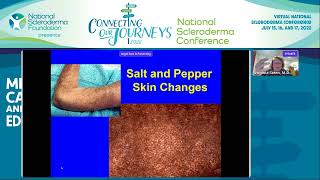
Scleroderma in African Americans
Explore the unique aspects and challenges of scleroderma in African American patients with expert insights from Dr. Virginia Steen's comprehensive presentation.
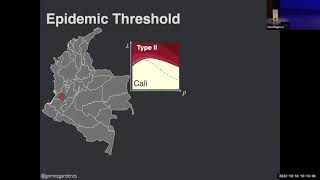
Network-Based Interventions to Stop Dengue Propagation - CCS22
Explore network-based strategies to combat dengue propagation through complex systems analysis and innovative intervention methods.
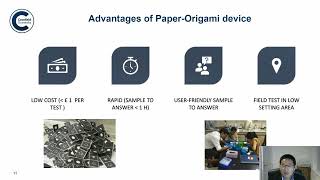
CRISPR/Cas-Enabled Paper Microfluidics Device for Rapid Diagnosis
Explore CRISPR/Cas-enabled paper microfluidics for rapid pathogen detection, including SARS-CoV-2 diagnosis and wastewater surveillance. Learn about low-cost, deployable biosensors for public health applications.

Sequencing the Genome: From Genotype to Phenotype and Extras in Between
Explore genome sequencing, from genotype to phenotype, with a focus on telomere length and its implications for aging, disease, and health disparities in minority populations.
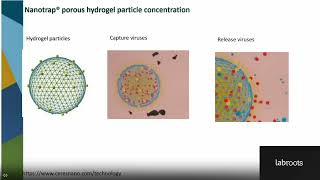
Beyond SARS-CoV-2: Application of Absolute Q Digital PCR System for Waterborne Pathogens
Explore digital PCR applications for detecting waterborne pathogens beyond SARS-CoV-2. Learn about challenges in monitoring enteric pathogens and innovative solutions for environmental water sample analysis.

Animal and Snake Bites - Clinical Nursing Care
Learn to manage animal and snake bites, including mechanical injuries, infections, and envenomation. Gain essential clinical nursing skills for effective patient care and treatment of various bite-related complications.

Utilizing Rapid Molecular Testing to Reduce Disparities in Pediatric Cancer in Sub-Saharan Africa
Explore rapid molecular testing strategies to address pediatric cancer disparities in Sub-Saharan Africa, focusing on improved diagnosis and treatment outcomes.
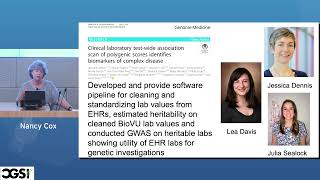
How Genetics Can Help Untangle Institutionalized Health Inequity
Explore how genetic research can address health inequities, focusing on case studies involving racial disparities in medical diagnoses and treatment decisions.

Dangers of Lab Shopping - The Reality Undermining a Legitimate Cannabis Industry
Explore the dangers of lab shopping in the cannabis industry, its impact on public safety, and potential solutions for maintaining integrity in testing practices.
COVID and Beyond: NGS Applications for Public Health Surveillance, Epidemiology and Emerging Pathogens
Explore NGS applications in public health surveillance, epidemiology, and emerging challenges, focusing on COVID-19 and future preparedness.
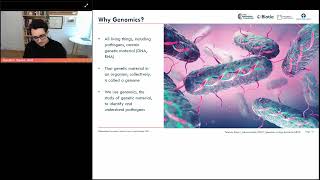
Towards A Global Federated System for Biosurveillance and Pandemic Early Warning Using Genomic, Epidemiological, Climate and Environmental Data
Explore a global federated system for biosurveillance using genomic, epidemiological, climate, and environmental data to model biological risks and enhance pandemic early warning capabilities.
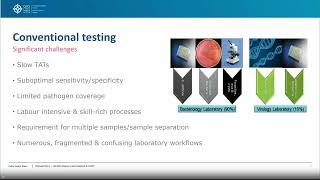
Talking Diagnostics - A Culture Moving to PCR
Explore the shift from traditional culture methods to PCR in infectious disease diagnostics, focusing on improved speed, accuracy, and patient care implications.
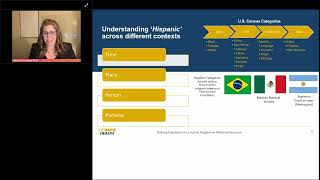
How Population-based Metrics for Diversity Shape Human Genomics Research and Reference Resources
Explore how population-based diversity metrics influence human genomics research and reference resources. Gain insights into the complexities of racial and ethnic classification in biomedical studies.
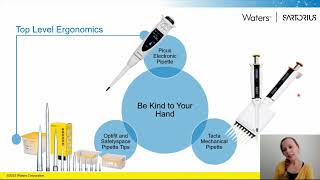
Improve Ergonomic Safety in Your Lab - Reduce Pain and Strain During Pipetting
Learn techniques to minimize repetitive strain injuries and improve ergonomic safety during pipetting, enhancing your lab work efficiency and reducing discomfort.

Advancing RSV Research: Expanding Therapeutic Options with Recombinant Antibodies and Antigens
Explore RSV research advancements, focusing on recombinant antibodies and antigens for improved diagnostics, therapeutics, and vaccines. Gain insights into viral pathogenesis and expanding treatment options.

Public Money? Public Code - The Role of Free Software After the Corona Crisis
Explore the importance of free software in government, digital sovereignty, and crisis response, highlighting its role in tracing apps, eHealth, and public sector innovation.

How Google Fostered Open Source Community During the Pandemic
Explore Google's strategies for nurturing open source collaboration and community engagement during global remote work challenges.

How Open Source is Helping to Save the World
Explore how open source technology aids global challenges, focusing on its role in pandemic response, government transparency, and public trust through collaborative innovation.