Genetically Engineered Pests for Health, Biodiversity, and Crop Protection
Exploration of genetic engineering in pests to protect health, biodiversity, and agriculture. Dr. Gould discusses potential benefits and challenges of this innovative approach in entomology and ecology.
Opening Doors Worldwide Through Medical Science - ICE 2016 Keynote Presentation
Nobel laureate Dr. Peter Agre discusses his groundbreaking aquaporin research, global health initiatives, and scientific diplomacy efforts, highlighting the power of medical science to open doors worldwide.
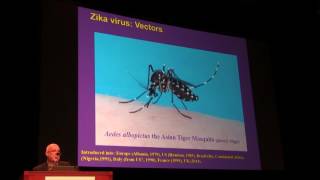
Zika Virus Research - Latest Findings and Mosquito Control Strategies
International experts present cutting-edge research on Zika virus and Aedes aegypti mosquitoes, covering transmission, vector biology, and potential control strategies.
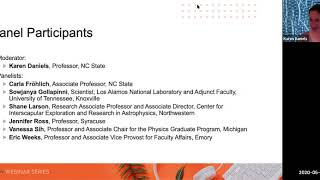
Adjusting Lab Practices for Physics Research During a Pandemic
Explore best practices for physics research groups adapting to COVID-19, including social distancing, remote research, and effective communication strategies.

Growth of Respiratory Droplets in Cold and Humid Air
Explores how respiratory droplets grow in cold, humid air, challenging previous assumptions and discussing implications for airborne disease transmission.
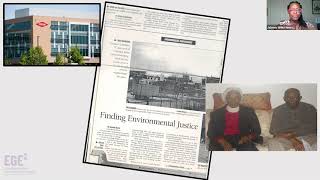
GeoHealth Career Development and Opportunities in Climate Change and Environmental Justice
Dr. White-Newsome discusses transforming communities through people-centered solutions, addressing climate change, public health, environmental justice, and racial equity, with a focus on career development.

COVID-19 and the Earth System
Explore the impacts of COVID-19 mitigation strategies on emissions, the Earth System, and virus dynamics. Learn about research efforts examining these complex interactions.
Climatological, Meteorological and Environmental Factors in COVID-19 Pandemic - Day 3 Part 1
Experts discuss environmental and meteorological factors in COVID-19 forecasting, addressing challenges in communicating predictions and informing decision-makers amidst uncertainty.
Urban Heat Island Effect: The Silent Killer in Your Urban Backyard
Explore urban heat islands: their causes, impacts, and how data-driven research informs local climate change mitigation efforts to combat this silent urban threat.
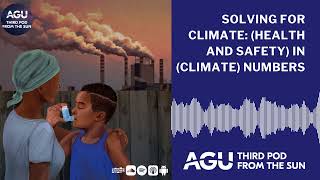
Health and Safety in Climate Numbers - Solving for Climate
Explore climate change's impact on human health, from extreme weather to disease spread. Learn how scientists quantify these effects and how climate mitigation strategies can improve public health.

The Neuroscience of Poverty: Understanding Brain Impacts and Protective Factors
Exploring poverty's impact on brain development, health, and social capital, with insights on using neuroscience to address socioeconomic disparities and promote equality of opportunity.

Christmas Lectures 2021: Fighting Back Against Viruses - Vaccines and Disease Control
Explore the science of vaccines and their potential to combat viruses and diseases like cancer, featuring insights from leading experts in epidemiology, vaccine development, and microbiology.
Why Dirt and Microbes Could Be Good for Us
Explores the potential benefits of exposure to dirt and microbes, challenging the notion of excessive hygiene and suggesting a balanced approach to microbial interactions for improved health.
Is Obesity a Choice? The Genetics of Human Appetite
Geneticist Giles Yeo explores the complex relationship between genetics and obesity, challenging the notion that obesity is simply a matter of personal choice or willpower.
Intersections of Climate Change and Health - Lessons from COVID-19
Explore the intersection of climate change and health, focusing on COVID-19, with insights from environmental leaders on systemic issues and future strategies.

Microbes, Diet, and Immunity - The Interplay of Human Health
Explore the revolutionary impact of microbiome research on medicine, health, and disease. Learn how diet, exercise, and stress affect trillions of microbes in our bodies and their influence on various medical conditions.

Feeling the Heat: The Climate and Health Challenge
Experts discuss climate change's dire health impacts, emphasizing equity and resilience-building to address environmental injustice and protect vulnerable populations from escalating threats.

Solving for Extreme Heat - Addressing Climate-Related Health Risks
Experts discuss strategies to combat extreme heat's impact on vulnerable communities, featuring heat officers from Africa and Athens and global medical leaders addressing health outcomes.

Trusting Science to Solve Climate Change - Bill Nye Interview
Bill Nye discusses science's potential to tackle climate change, drawing parallels with asteroid redirection and disease cures, emphasizing the importance of trust in scientific solutions.

Report from the Cancer Battlefield - 50 Years of Progress
Experts discuss progress in cancer research and treatment over the past 50 years, highlighting advancements, current challenges, and future prospects in the fight against various forms of cancer.
Hunting the Next Virus: Preventing Future Pandemics
Explore viral threats, human-animal interactions, and pandemic prevention strategies with virologist Nathan Wolfe. Learn about early detection, sustainability, and the importance of global preparedness.