
The 1918 Spanish Flu—A Conspiracy of Silence - Part 1 of 3
Explore the devastating 1918 Spanish Flu pandemic, tracing its origins, global spread, and impact. Learn about virus anatomy, immune responses, and how this outbreak differed from others in history.

How Germs Leap from Animals to Humans - An Introduction to Infectious Diseases
Explore zoonotic diseases, their transmission from animals to humans, and prevention strategies. Learn about risks from pets, wildlife, and farm animals, and global initiatives for disease control.

An Introduction to Infectious Diseases - The Dynamic World of Infectious Disease
Explore the dynamic world of infectious diseases, from historical plagues to modern outbreaks. Learn about transmission, treatments, and the ongoing challenges in disease control and prevention.

The Opioid Crisis: Understanding America's Deadly Addiction with Professor Thad Polk
Explore the opioid crisis in America, its causes, and potential solutions. Learn about the brain's response to drugs, addiction mechanisms, and strategies for helping those affected by substance abuse.

Anthropology and the Question of Race
Explore the complex relationship between anthropology and race, examining historical misconceptions, cultural constructs, and modern scientific understanding to challenge traditional notions of racial categorization.

Spatial Epidemiology - The Theory Behind Where Viruses Spread
Explore spatial epidemiology's origins and modern applications, from John Snow's cholera study to predicting disease outbreaks and understanding global health disparities.

The Lasting Effects of the Black Death - Pandemics and the Economy
Explore the devastating economic impact of the Black Death in 14th-century Europe, from mass starvation to societal restructuring, and its lasting effects on trade, agriculture, and warfare.

The 1918 Spanish Flu—The Search for the Virus
Explore the 1918 flu's impact on World War II, its deadly nature, and the scientific quest to find an intact virus specimen. Uncover the flu's global spread, vaccine controversies, and modern pandemic echoes.

The 1918 Spanish Flu—The Philadelphia Story - Part 2 of 3
Explore the devastating impact of the 1918 Spanish Flu's second wave in Philadelphia, from overwhelmed hospitals to societal collapse. Uncover the virus's origins, treatments, and global consequences in this gripping historical account.
The Science of Behaviour Change
Explore the science of behavior change, its societal impact, and strategies for effective interventions. Learn how understanding decision-making can lead to beneficial personal and collective outcomes.
What COVID Taught Us About the Black Death - Science of Health
Explore how COVID-19 insights reshape our understanding of the Black Death, offering new perspectives on historical pandemics, scientific discoveries, and societal impacts of widespread disease outbreaks.
Data, Privacy and Public Health - Countering COVID-19 with Technology and Trust
Exploring ethical challenges in using data and technology for COVID-19 response, balancing public health benefits with privacy concerns and trust in government interventions.
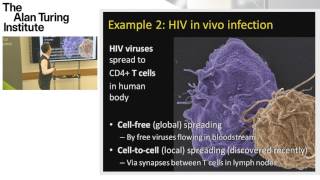
Critically Hybrid Epidemics - Dr. Shi Zhou, UCL
Explore critically hybrid epidemics, combining ineffective spreading mechanisms to create significant outbreaks. Examine case studies of Conficker and HIV, discussing implications for epidemic control and future research.
Food, Drugs, and Tech: 100 Years of Public Health - FDA's Evolution and Future Challenges
Explore the FDA's evolution over 100 years, from its inception to addressing modern challenges in food safety, drug development, and emerging technologies like CRISPR and AI in healthcare.
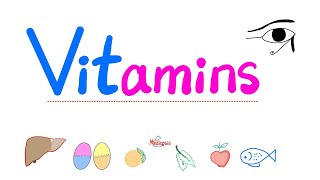
Introduction to Vitamins
Explore the world of vitamins, their functions, and potential impacts on health. Learn about anti-vitamins, overdose risks, and the role of free radicals in the body.
Cervical Cancer Screening - Dr Paul Cross, B Med Sci, MB BS, FRCPath
Comprehensive overview of cervical cancer screening strategies, emphasizing population-based approaches, HPV vaccination, and WHO guidelines for global eradication efforts.
Medical Microbiology FRCPath Part 2 – What I Wish I’d Known
Practical advice and strategies for preparing for the Medical Microbiology FRCPath Part 2 exam, including study resources, practice techniques, and exam tips for success.
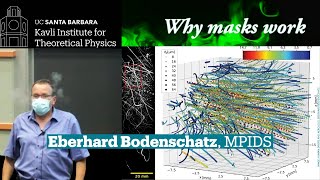
Why Face Masks Work - Eberhard Bodenschatz
Comprehensive exploration of face mask efficacy against COVID-19, covering particle physics, experimental findings, and practical demonstrations. Emphasizes masks' protective benefits for wearers and others.
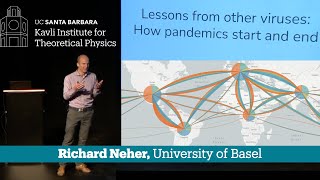
Lessons From Other Viruses - How Pandemics Start and End - Richard Neher (University of Basel)
Explore viral pandemics' origins, evolution, and outcomes. Learn how researchers track and study viruses, their adaptation to new hosts, and their long-term impact on human health.

Tuberculosis
Comprehensive overview of tuberculosis, covering its causes, symptoms, diagnosis, and treatment. Explores latent TB infection vs. active disease, focusing on lung involvement and potential complications.
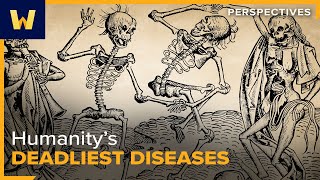
Humanity's Deadliest Diseases - A Historical Perspective
Experts explore history's deadliest diseases, including HIV, influenza, smallpox, and the Black Death, examining their evolution, impact, and far-reaching consequences on individuals and societies.