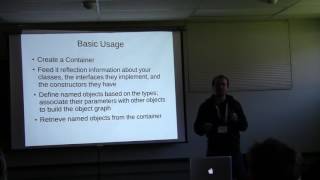
IoC++ - A IoC Framework for C++
Explore IoC++, a flexible dependency injection library for C++. Learn about runtime configuration, object graph management, and comparisons to similar frameworks like Boost.DI.
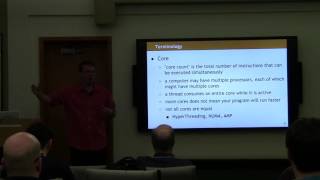
Multithreading is the Answer. What Was the Question? - Part I
Explore multithreading concepts, challenges, and solutions in C++ development. Learn when to use or avoid multithreaded code, and discover techniques for improved readability and maintainability.
Variadic Expansion in Examples
Explore advanced uses of variadic templates in C++, focusing on parameter pack expansion as a code generation tool. Learn techniques for generic programming and handling custom types in library development.

Let's Make a Web Match-3 Game in C++14
Learn to create a web-based match-3 game using C++14, Emscripten, and experimental Boost libraries. Explore Dependency Injection and Meta State Machine concepts for efficient game development and cross-platform compatibility.
C++ Tool Support - Where We Are and Where We Are Heading
Exploring the evolution and benefits of C++ development tools, from basic editors to advanced IDEs, highlighting features that enhance productivity and code quality.

Preprocessor-Aware Automated Refactoring
Explore techniques for modernizing C++ code with preprocessor-aware automated refactoring using Boost.Wave and Clang tools. Learn to update legacy code to modern idioms while handling preprocessor constructs.
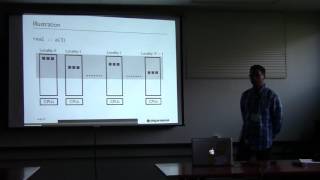
Extending C++ with Co-Array Semantics
Extending C++ with co-array semantics for efficient distributed computing in HPX, enabling SPMD schemes and simplified data transfer between localities in scientific applications.
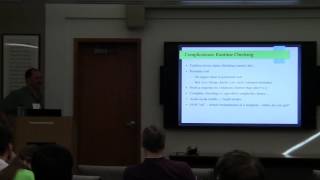
Progress on Contract Support for C++17
Exploring unified contract support proposal for C++17, addressing diverse needs like static verification, runtime checking, and optimization while minimizing programmer burden.
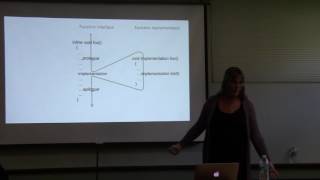
What is the Basic Interface?
Explores unspoken assumptions in C++ function interfaces, examining procedural logic of function calls and suggesting ways to make implicit expectations explicit for more precise program reasoning.
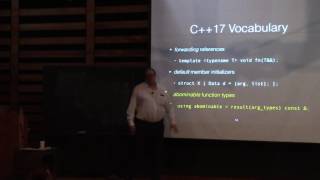
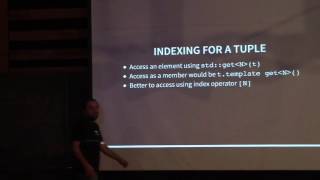
Implementing Tuple in C++17
Explore C++17's impact on std::tuple implementation, including new language features, library changes, and design considerations. Dive into testing and benchmarking scenarios for tuple implementations.
Goodbye Metaprogramming, and Hello Functional
Explore modern C++ features and functional constructs that simplify metaprogramming, moving beyond traditional template techniques to more elegant and efficient solutions.
The Design of a New C++ Build Toolchain
Exploring challenges and solutions in cross-platform C++ building, including cross-compilation, in/out-of-source builds, and package management. Discusses design decisions and features of the build2 toolchain and cppget.org repository.

No Sane Compiler Would Optimize Atomics
Explore compiler optimizations for atomics, memory accesses, and architecture-specific features. Learn about standardizing concurrency tools and debunking misconceptions in low-level programming.
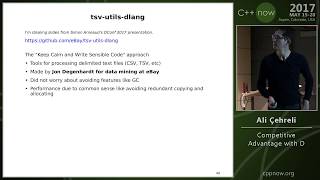
Competitive Advantage with D
Explore D programming language's competitive advantages, focusing on compile-time features, safety, and productivity. Learn how D simplifies systems programming and enhances software engineering.

Haskell Taketh Away - Limiting Side Effects for Parallel Programming
Exploring how limiting side effects in programming languages enhances parallel programming, with insights from Haskell and C++ on determinism, purity, and embedded domain-specific languages.
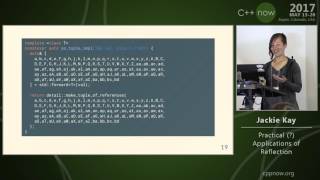
Practical Applications of Reflection
Exploring static type introspection in C++: benefits, costs, and comparison of recent reflection proposals. Analyzes library solutions, standard proposals, and potential impact on C++20 metaprogramming.
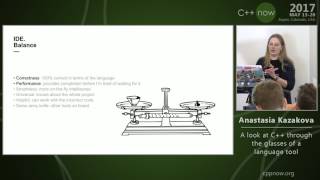
A Look at C++ Through the Glasses of a Language Tool
Explore C++ complexities through the lens of language tool development, uncovering tricky situations and best practices for more accurate and error-free programming.

What Boost Could Learn from QT
Exploring lessons Boost can learn from Qt, including coding style, events, marketing, and adapting to new C++ standards. Insights for C++ library development and community growth.
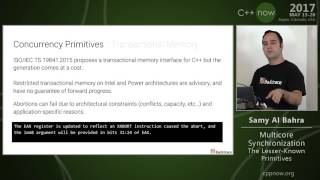
Multicore Synchronization - The Lesser-Known Primitives
Explore advanced multicore synchronization primitives, their performance properties, and practical challenges in complex concurrent systems, with examples from the Concurrency Kit project.
Type-Safe Programming
Explore advanced C++ type system techniques to prevent bugs at compile-time. Learn to leverage types for safer code, from minimizing implicit conversions to expressing preconditions and designing type-safe classes.
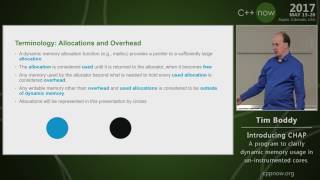
Introducing CHAP - A Program to Clarify Dynamic Memory Usage in Un-Instrumented Cores
Introducing CHAP: A tool for analyzing memory usage, leaks, and corruption in un-instrumented core files. Offers reliable leak detection, automated checks, and insights into memory growth issues without code instrumentation.