
Finding a Weak Link - Attacking Windows OEM Kernel Drivers
Explore Windows OEM kernel driver vulnerabilities through fuzzing, analysis, and exploitation techniques. Learn to identify weak points and understand potential security risks in driver implementations.
Reverse Engineering All the Malware and Why You Should Stop
Explore efficient malware analysis techniques, automation tools, and dynamic instrumentation methods to enhance reverse engineering skills and streamline the process.
Need More Sleep - REST Could Help Drew Branch
Explore REST APIs, their classification, testing methods, and security considerations. Learn about status codes, data formats, and tools like Postman and Burp Suite for API development and protection.
IoT Defenses - Software, Hardware, Wireless, and Cloud
Explore comprehensive IoT security strategies across software, hardware, wireless, and cloud domains, enhancing your ability to protect interconnected devices and systems.
Reality Checking Your AppSec Program
Explore strategies to critically assess and improve your AppSec program, focusing on compliance, maturity, education, and validation beyond traditional metrics and assumptions.

Reversing and Exploiting Embedded Devices - Walking the Software and Hardware Stack
Explore embedded device security through reverse engineering and exploitation techniques, covering software analysis, hardware examination, and practical debugging methods.
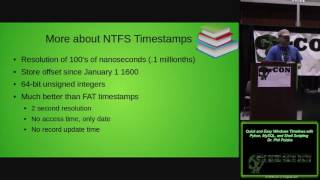
Quick and Easy Windows Timelines with Python, MySQL, and Shell Scripting
Learn to create efficient Windows timelines using Python, MySQL, and shell scripting for enhanced digital forensics and incident response capabilities.
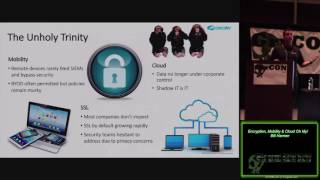
Encryption Mobility Cloud - Oh My
Explore encryption challenges in mobile and cloud environments, focusing on security threats, evolving attack methods, and effective defense strategies for the modern digital landscape.

What's in Your Top Ten - Intelligent Application Security Prioritization
Explore pragmatic threat modeling approaches for application security, focusing on architecture-driven methodologies and their integration into the software development lifecycle.
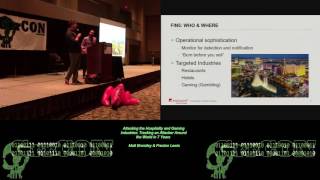
Attacking the Hospitality and Gaming Industries - Tracking an Attacker Around the World in 7 Years
Explore a 7-year global investigation tracking cyber attacks on hospitality and gaming industries, uncovering tactics and strategies used by sophisticated threat actors.
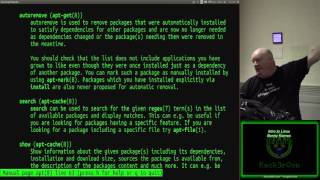
Intro to Linux - Part 1
Learn Linux basics: software center, internet setup, Ruby installation, file management, password changes, and web server configuration.

Intro to Linux Part 2
Explore Linux command line essentials, SSH, file management, and version control with Git. Learn practical skills for system administration and software development.
Python Scripting
Learn essential Python scripting techniques for cybersecurity tasks, covering fundamental concepts and practical applications in ethical hacking and penetration testing.
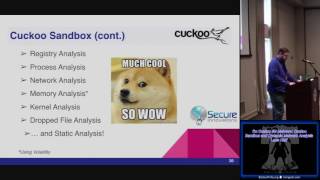
Cuckoo for Malware - Cuckoo Sandbox and Dynamic Malware Analysis
Explore dynamic malware analysis using Cuckoo Sandbox, covering setup, features, and practical applications for effective threat detection and analysis.
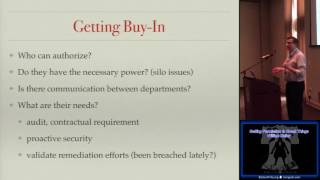
Getting Permission to Break Things
Learn ethical hacking techniques, navigate legal issues, and gain stakeholder buy-in for security testing. Discover how to define scope, address client needs, and handle potential pitfalls in penetration testing.
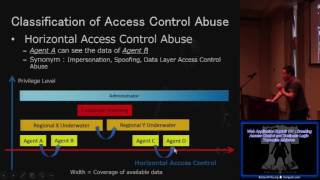
Web Application Exploit 101 - Breaking Access Control and Business Logic
Learn to exploit web application vulnerabilities by breaking access control and business logic, focusing on practical techniques for identifying and exploiting security flaws.
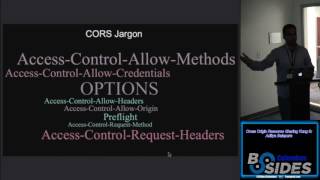
Cross Origin Resource Sharing Kung Fu
Explore Cross-Origin Resource Sharing (CORS) security implications, common developer mistakes, and best practices for implementing secure web applications.
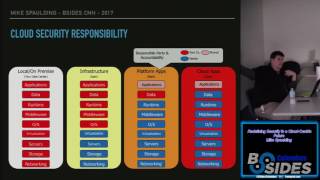
Redefining Security in a Cloud Centric Future
Explore cloud security challenges and solutions for various user types, covering data protection, API security, encryption, and compliance in a cloud-centric future.
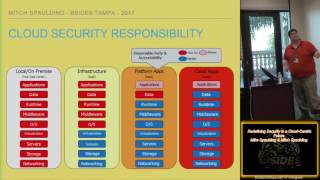
Redefining Security in a Cloud Centric Future
Explore cloud security challenges, responsibilities, and best practices in a rapidly evolving digital landscape. Learn about data protection, API security, and compliance risks in multi-tenant environments.
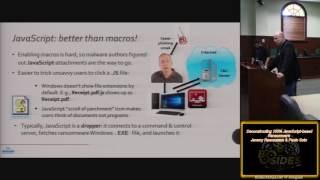
Deconstructing 100 JavaScript Based Ransomware
Explore the inner workings of JavaScript-based ransomware through a comprehensive deconstruction of 100 real-world examples, gaining insights into their mechanisms and potential countermeasures.
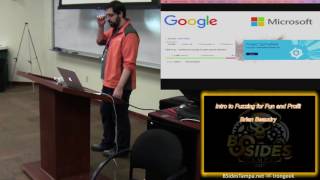
Intro to Fuzzing for Fun and Profit
Explore fuzzing techniques for software security, covering tools like AFL and Python fuzzers, memory error detection, debugging strategies, and advanced fuzzing methods.