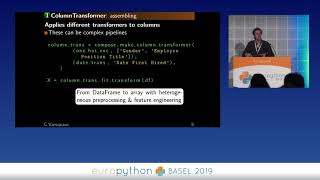
Machine Learning on Non-Curated Data
Techniques for handling missing values and non-normalized categories in machine learning, focusing on practical solutions using scikit-learn and DirtyCat for efficient data analysis without extensive cleaning.
Do We Have a Diversity Problem in Python Community
Exploring gender diversity in the Python community through data analysis, examining representation at conferences, and proposing actionable steps to foster inclusivity and balance.
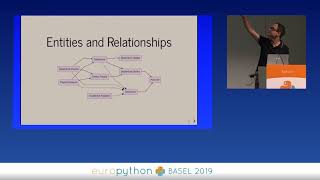
From Days to Minutes, From Minutes to Milliseconds with SQLAlchemy
Optimize SQLAlchemy performance by addressing N+1 queries, improving mass operations, and understanding ORM-database interactions for significant speed improvements.

Image Processing with Scikit-Image and Dash
Explore image processing using scikit-image and Dash. Learn to build interactive applications for transforming, analyzing, and visualizing images with Python tools in various scientific and industrial contexts.
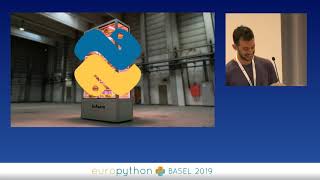
How Software Can Feed the World
Explore how Python-based software supports innovative indoor farming, addressing global food challenges through IoT, real-time monitoring, and edge computing with AI.
Python for Realtime Audio Processing in a Live Music Context
Explore real-time audio processing for live music using Python, leveraging the pyo module to augment acoustic instruments with digital capabilities and create unique sonic experiences.
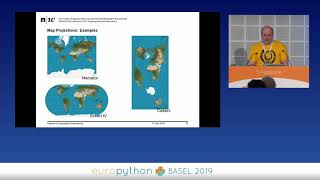
Geospatial Analysis Using Python and JupyterHub
Explore geospatial data processing and visualization using Python, covering vector and raster analysis, deep learning applications, and high-performance computing techniques for efficient spatial data handling.
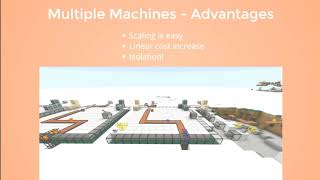
Python's Parallel Programming Possibilities - 4 Levels of Concurrency
Explore Python's parallel programming options: multiple machines, processes, threads, and green threads. Learn implementation techniques, potential pitfalls, and practical examples for each concurrency level.
Unleash the Power of C++ in Python
Explore techniques for integrating C++ libraries with Python, enhancing performance while maintaining simplicity. Learn about language bindings and the Qt project's approach using Shiboken.
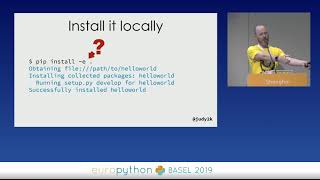
Publish a Perfect Python Package on PyPI
Learn to create and publish a Python package on PyPI, covering project structure, setup files, testing, documentation, and best practices for successful distribution and maintenance.
PEP Yourself - 10 PEPs You Should Pay Attention To
Explore 10 essential Python Enhancement Proposals (PEPs) and their impact on everyday coding, from style guides to advanced features like data classes and assignment expressions.
Using Python to Teach Computational Finance
Explore computational finance using Python and Probo package. Learn derivative pricing, Monte Carlo simulation, and dynamic hedging through hands-on demos and Jupyter notebooks.
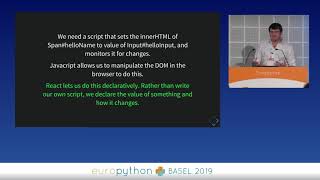
Dash - Interactive Data Visualization Web Apps with No Javascript
Learn to create interactive data visualization web apps using Dash, a Python framework that requires no JavaScript. Discover best practices, common pitfalls, and when to transition to traditional web development.
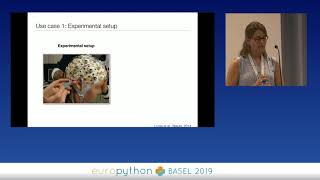
Boosting Research with Machine Learning
Explore machine learning applications in research, from neuron recognition to EEG-based movement prediction. Learn Python techniques for data preparation and analysis using various ML methods.
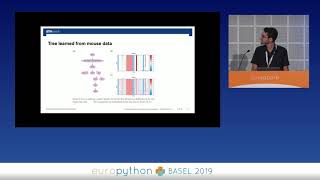
Bioinformatics Pipeline for Revealing Tumour Heterogeneity
Explore a Python-based bioinformatics pipeline for analyzing single-cell DNA sequencing data to reveal tumor heterogeneity, aiding in personalized cancer treatment decisions.
Extracting Tabular Data from PDFs with Camelot and Excalibur
Learn to extract tabular data from PDFs using open-source Python tools Camelot and Excalibur. Discover installation, usage, and automation techniques for efficient data extraction and processing.
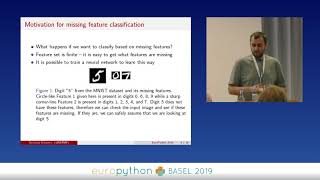
Classification Based on Missing Features in Deep Convolutional Neural Networks
Explore a novel approach to enhance neural network accuracy and robustness in adversarial situations, focusing on classification based on missing features in deep convolutional models.
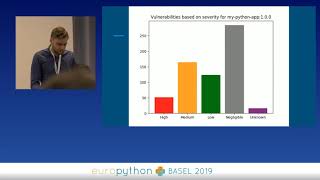
Securely Executing Python Machine Learning Models with Distroless Images at ING
Explore secure execution of Python ML models using distroless images at ING. Learn about security risks, minimal Docker images, and practical implementation in a banking environment.
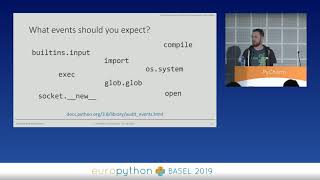
Auditing Hooks and Security Transparency for CPython
Explore CPython's new security features: auditing hooks and verified open call. Learn how to detect and prevent malicious use of Python, integrating with OS security frameworks.
Writing a Python Autoreloader
Explore the complexities of Python autoreloaders, their inner workings, and challenges in implementation. Learn from Django 2.2's refactoring process and discover a new library for simplifying autoreloader development.
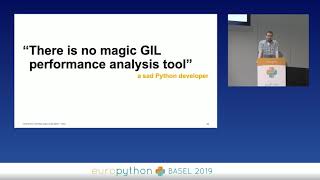
Is It Me, or the GIL
Explore methods and tools for analyzing Python's Global Interpreter Lock impact on application performance, helping developers focus on actual problematic areas needing improvement.