Pharmacology Made Easy - Drug Endings - Antibiotics - Picmonic Nursing Webinar
Learn antibiotic drug endings and high-yield medications using Picmonic's visual learning system. Improve memory retention and master pharmacology faster with engaging images and stories.
How We Make Memories and How Memories Make Us – With Veronica O'Keane
Explore the intricate relationship between memory formation and human identity, delving into psychosis, trauma, and healing through neuroscience and empathetic patient analysis.
Cholinergic Drugs - Pharmacology - Dr. Najeeb
Comprehensive exploration of cholinergic drugs, their mechanisms, applications, and effects on the nervous system. Covers direct and indirect-acting agents, clinical uses, and potential side effects.

Receptors and Drugs - Epinephrine, Norepinephrine, Albuterol
Comprehensive exploration of receptor-drug interactions, focusing on epinephrine, norepinephrine, and albuterol. Covers G-protein coupled receptors, catecholamines, and sympathomimetics for medical students.

Receptor - Agonist and Its Types
Comprehensive exploration of receptor agonists, covering types, mechanisms, and pharmacological applications. Includes detailed explanations of full, partial, orthosteric, and allosteric agonists with relevant examples.

Coronary Artery Disease - Ischemic Heart Disease - Angina
Comprehensive overview of coronary artery disease, covering pathophysiology, causes, and mechanisms. Explores ischemia, plaque formation, and treatment approaches, emphasizing the importance of understanding this prevalent heart condition.

Diuretics - Pharmacology Explained
Comprehensive exploration of diuretics pharmacology, covering mechanisms, types, and effects on renal physiology. Detailed analysis of nephron segments, drug actions, and clinical implications for fluid-electrolyte balance and related disorders.

Cell Membrane Physiology - Quick Review
Comprehensive overview of cell membrane physiology, covering key concepts like Donnan's Equilibrium, osmosis, and ion transport mechanisms. Includes visual aids and mnemonics for effective learning.
Cardiac Pharmacology Methyldopa
Explore methyldopa's role in antihypertensive therapy, including its mechanism, indications, and side effects. Learn about sympathetic receptors and potential complications like autoimmune hemolytic anemia.
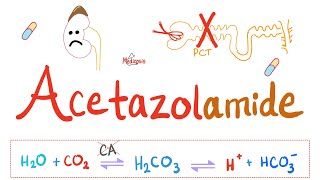
Carbonic Anhydrase Inhibitors
Explore carbonic anhydrase inhibitors' mechanism, effects, and clinical uses. Learn about their impact on electrolyte balance and potential side effects in this comprehensive overview.

Antianginal Drugs Pharmacology - Dr Najeeb
Comprehensive exploration of antianginal drugs, covering mechanisms, types, and management strategies. Focuses on improving heart oxygenation and reducing cardiac workload for effective angina treatment.
Optimisation of Antibiotic Therapy in Critically Ill Patients - Dr Brendan Healy
Learn from Dr. Brendan Healy, a Consultant in Microbiology and Infectious Disease, about optimizing antibiotic therapy in critically ill patients.

Pharmacology - Alpha & Beta Blockers - Adrenergic Antagonists
Comprehensive overview of adrenergic antagonists, covering alpha and beta blockers' mechanisms, classifications, and specific drugs. Ideal for understanding cardiovascular pharmacology and treatment options.

Pharmacology - Adrenergic Receptors & Agonists
Comprehensive overview of adrenergic receptors and agonists, covering receptor types, drug mechanisms, and specific examples. Ideal for students seeking a thorough understanding of this pharmacological topic.

Pharmacology - Anticholinergic & Neuromuscular Blocking Agents
Comprehensive overview of anticholinergic and neuromuscular blocking agents, covering mechanisms, types, and side effects. Ideal for medical students and healthcare professionals seeking in-depth pharmacological knowledge.

Pharmacology - Cholinergic Drugs
Comprehensive overview of cholinergic drugs, covering mechanisms, receptors, agonists, and adverse effects. Ideal for students seeking a clear understanding of this crucial pharmacological topic.

Pharmacology - Pharmacodynamics
Explore pharmacodynamics: receptor types, agonists, antagonists, and therapeutic index. Learn how drugs affect the body through various receptor mechanisms and key pharmacological concepts.

Pharmacology - Antiarrhythmic Drugs
Comprehensive overview of antiarrhythmic drugs, covering mechanisms, classifications, and specific medications for treating abnormal heart rhythms. Includes cardiac physiology and ECG basics.

Pharmacology - Gastrointestinal and Antiemetic Drugs
Comprehensive overview of gastrointestinal and antiemetic drugs, covering mechanisms of action for treating GERD, ulcers, nausea, constipation, and diarrhea. Ideal for medical students and healthcare professionals.
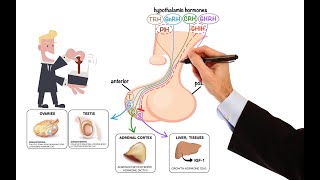
Pharmacology - Drugs for Pituitary and Thyroid Disorders
Comprehensive overview of endocrine system drugs, focusing on pituitary and thyroid disorders. Covers hormone regulation, drug mechanisms, and treatments for various endocrine conditions.
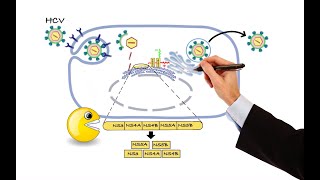
Pharmacology - Antiviral Drugs
Comprehensive overview of antiviral medications, exploring mechanisms of action and specific drugs for influenza, HIV, hepatitis B & C, and herpes. Covers viral replication cycles and drug targets.