GI Medications - Antiemetics, Acid Control and Antidiarrheals - Advanced EM Pharmacology Workshop
Comprehensive overview of GI medications for emergency medicine, covering antiemetics, acid control, and antidiarrheals. Enhances knowledge for effective patient care in EM settings.

Pain Control - Opioids, Non-Opioids and Local Anesthetics - Advanced EM Pharmacology Workshop
Comprehensive overview of pain management in emergency medicine, covering opioids, non-opioids, and local anesthetics. Focuses on pharmacology, assessment tools, and treatment strategies for various pain scenarios.
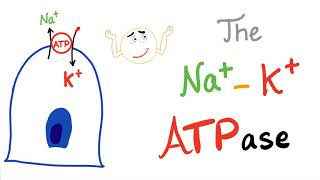
The Sodium-Potassium ATPase Pump
Explore the intricate workings of the Sodium-Potassium ATPase Pump, its role in active transport, and related membrane transport mechanisms in this concise yet comprehensive video.

Heparin - The Blood Thinner
Explore heparin's mechanism as an anticoagulant, its clinical uses in ICU settings, and potential side effects like bleeding and thrombocytopenia. Learn about different types of heparin and their applications.
Aortic Dissection - Jamie's Story
Explore aortic dissection through Jamie Dimon's emergency surgery, covering causes, risk factors, and classification. Gain insights into this critical cardiovascular condition.

Ludwig Angina - Causes, Clinical Picture, Diagnosis and Management
Comprehensive overview of Ludwig Angina, covering causes, clinical presentation, diagnosis, and treatment. Emphasizes its potential as a medical emergency due to airway obstruction.
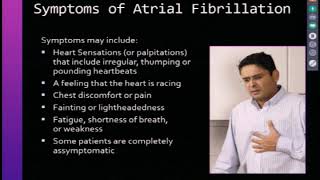
Treatment of Atrial Fibrillation- Cardiac Ablation & Interventions
Learn about atrial fibrillation symptoms, types, treatments, and latest research. Explore medical management, anticoagulation, ablation procedures, and the CABANA trial results for this common heart rhythm disorder.

Advances in Inflammatory Bowel Disease
Explore recent advancements in inflammatory bowel disease, including genetic factors, microbial diversity, and treatment options for ulcerative colitis and Crohn's disease.

Sepsis in the Critically Ill Child
Comprehensive overview of sepsis in critically ill children, covering prevention, diagnosis, management, and future research directions. Valuable for pediatric healthcare professionals.
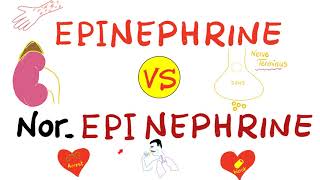
Epinephrine vs Nor-Epinephrine
Comprehensive overview of epinephrine and norepinephrine, exploring their pharmacological differences, receptor interactions, and clinical applications in neurology and cardiovascular medicine.
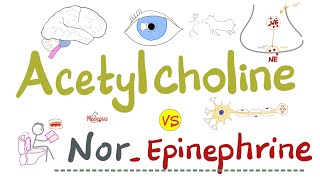
Acetylcholine vs Nor-Epinephrine
Explore the differences between acetylcholine and norepinephrine in neurotransmission, focusing on cholinergic and adrenergic fibers in the autonomic nervous system.
Acetylcholinesterase Enzyme Plasma Level - Lab - Anesthesiology
Explore acetylcholinesterase enzyme plasma levels in anesthesiology, covering cholinergic agonists, indications, and autonomic pharmacology for enhanced clinical understanding.
Epidemiology and Treatment of MIS-C
Explore the latest insights on MIS-C epidemiology and treatment from global experts. Learn about current trends, clinical guidance, and management strategies for this COVID-19-related condition in pediatric patients.
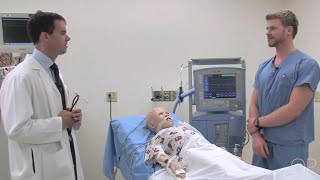
Management of the Intubated Asthmatic Patient
Comprehensive guide on managing intubated asthmatic patients, covering ventilator settings, hypercarbia, hemodynamics, medications, weaning, and extubation readiness. Essential for pediatric critical care providers.
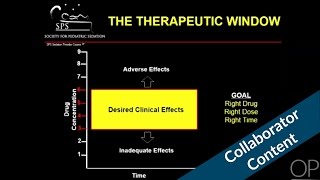
Sedatives and Procedures
Explore therapeutic windows, pharmacokinetics, and pharmacodynamics of sedatives for procedures. Learn about various sedative drugs and their clinical applications in pediatric care.
Postoperative Evidence Based Analgesia - Fact or Fiction?
Explores morphine's role in pediatric post-operative pain management, discussing research, pharmacodynamics, and clinical trials to evaluate efficacy and optimal dosing strategies.
The Dangers of Prednisone
Explore common prednisone side effects, learn to discuss them with your rheumatologist, and discover strategies for prevention. Gain insights into acute vs. chronic effects across various body systems.
GIT Pharmacology - Antiemetic Drugs
Comprehensive overview of antiemetic drugs, covering physiology, drug classifications, and applications in various clinical scenarios. Ideal for medical students and healthcare professionals seeking in-depth pharmacological knowledge.
Loop Diuretics Pharmacology Nursing - Mechanism of Action and Furosemide
Comprehensive review of loop diuretics' pharmacology, covering mechanism of action, side effects, nursing interventions, and patient education for effective management of various conditions.
Congestive Heart Failure Treatment, Management, Nursing Interventions & Medications
Comprehensive guide on treating congestive heart failure, covering nursing interventions, medications, and patient monitoring. Ideal for nursing students preparing for NCLEX exams.
Renal Concepts and Pharmacology Made Easy - Picmonic Nursing Webinar
Comprehensive overview of renal system and pharmacology for nursing students, covering key concepts, diseases, and treatments to prepare for NCLEX® and clinical practice.