Cracking the Lens - Targeting HTTP's Hidden Attack-Surface
Explore hidden attack surfaces in modern web infrastructure, focusing on transparent systems for performance and analytics. Learn to identify and exploit overlooked vulnerabilities.
Hack Microsoft Using Microsoft Signed Binaries
Explore advanced hacking techniques using Microsoft-signed tools, including PowerShell and debuggers, to achieve various attacks and persistence on Windows systems.

SKF Keeper Project - There Is No Right or Wrong, Only Fun and Boring
Explore secure software development with SKF Keeper, an open-source platform offering defensive coding, offensive testing, and infra security tracks. Learn to prevent vulnerabilities and elevate AppSec maturity.
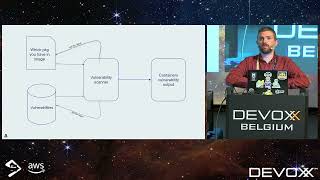
Overcoming CVE Shock - Adding Perspective in Vulnerability Scanning
Explore vulnerability scanning in Kubernetes, covering auditing, security mechanisms, and CI/CD integration. Learn to overcome challenges and implement effective security measures.

Adversary Emulation - How I Stopped Being Polite and Got Real Results
Explore how real adversaries differ from testers in cybersecurity, using data from actual intrusions to improve threat detection and adversary emulation techniques.
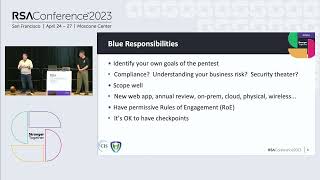
A CISO's Best Friend - The Pentester
Discover how penetration testing can be a collaborative, educational tool for improving security posture and identifying business risks. Learn to foster valuable partnerships between CISOs and pentesters.

Secrets and Shadows: Leveraging Big Data for Vulnerability Discovery
Discover innovative approaches to large-scale vulnerability detection using unconventional data sources, focusing on forgotten cloud assets and leaked secrets to identify critical security weaknesses in major organizations.

Social Engineering with AI: From Traditional Attacks to Next-Generation Techniques
Discover how AI tools transform social engineering tactics, from crafting sophisticated phishing to conducting vishing operations, while learning both offensive techniques and defensive strategies for modern security awareness.

Using Bloodhound as a Defender: Tips from the Red Team
Discover how to leverage BloodHound from a red team perspective to identify and remediate critical Active Directory security flaws, with practical insights using the new ad-recon automation tool.
Lotus Notes Password Hash Redux
Explore Lotus Notes security vulnerabilities, focusing on password hashes. Learn about enumeration techniques, tools, and mitigation strategies for this widely-used enterprise software.

EC2 or Bust – How to Build Your Own Pen Testing Lab in Amazon EC2
Learn to create a cost-effective, customizable penetration testing environment using Amazon EC2. Explore setup, configuration, and best practices for building a secure and scalable virtual lab.
Collaborative Penetration Testing With Lair
Explore collaborative penetration testing using Lair, a tool for efficient teamwork in security assessments. Learn about vulnerability management, commands, and scripting for enhanced testing workflows.
What Is a Software Security Initiative and Do I Need One
Explore building blocks for successful software security initiatives, balancing finding, fixing, and preventing issues. Learn strategies to enhance your AppSec program and avoid common pitfalls.
Leveraging HTTP Request Smuggling for Authentication Bypass and Remote Code Execution
Delve into HTTP Request Smuggling vulnerabilities, exploring real-world cases of authentication bypass and remote code execution in enterprise applications, with practical detection and mitigation strategies.

Red Team Operations Recovery and Adaptation - Lessons from Fortune 500 Companies
Discover real-world red team operation mishaps and recovery strategies in Fortune 500 companies, exploring innovative TTPs development and mission success through candid insights from experienced security professionals.

NTLM Relay Attacks - An OPSEC-Conscious Approach to Port 445 Takeover
Discover a stealthy technique for NTLM relay attacks by hijacking port 445/tcp, featuring reverse engineering insights and automation tools for enhanced SMB-based operations with minimal detection risk.

Ten Ways to Frustrate Attackers in Network Security
Discover practical network security strategies and tools from a pentester's perspective to strengthen defenses and make attackers' work significantly more challenging and time-consuming.
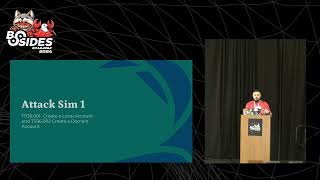
Purple Teaming: Attack Simulation and Control Validation with Atomic Red
Discover how to leverage Atomic Red Team for simulating cyber attacks, validating security controls, and improving SOC effectiveness through practical demonstrations and MITRE framework mapping.

Hackers in Jurassic Park: When Attackers Find a Way
Explore real-world cybersecurity breaches through engaging hacking stories, drawing parallels with Jurassic Park to understand how attackers penetrate seemingly secure digital systems.

Social Engineering Attack: How to Rob a Bank Over the Phone
Dive into a real-world social engineering case study where an expert demonstrates how he gained unauthorized access to a bank's systems through sophisticated phone manipulation techniques.
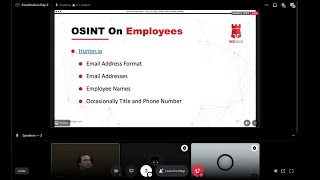
Open Source Intelligence Gathering for Security Testing - Recon 101
Master essential OSINT techniques and reconnaissance tools to efficiently gather critical intelligence about organizational infrastructure and potential security vulnerabilities without active network engagement.