
The Issues Surrounding the Hiring of Hackers
Explore ethical considerations and practical challenges of employing individuals with hacking backgrounds in cybersecurity roles.
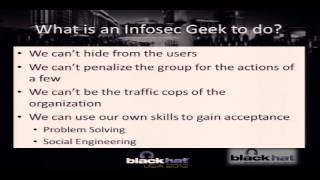
Hacking the Corporate Mind - Using Social Engineering to Improve Organizational Security Acceptance
Discover social engineering techniques to improve organizational security acceptance, bridging the gap between users and InfoSec teams for better awareness and policy adherence.

Turn Your Head And Cough - Why Architecture Risk Assessments Are Like Being A General Physician
Explore the parallels between architecture risk assessments and general medicine, focusing on patient interviews, information gathering, and improving outcomes in security architecture.

0Day to HeroDay - Bringing a Company from Scorched Earth to a Modern Security Organization
Transforming a company's security posture from vulnerable to robust, detailing strategies and best practices for building a modern, effective cybersecurity organization.
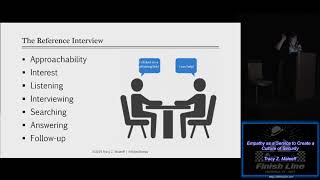
Empathy as a Service to Create a Culture of Security
Explore how empathy can be leveraged to foster a robust security culture, enhancing organizational resilience and employee engagement.

Make It Fixable
Explore common challenges in vulnerability reporting and learn effective strategies to address them in software projects and organizations.

Moving Fast and Breaking Things - Security Misconfigurations in Practice
Exploring system operators' perspectives on security misconfigurations, analyzing root causes, and providing practical recommendations to reduce their frequency and impact in organizations.

If Red Teaming Is Easy - You're Doing It Wrong
Explore the challenges and complexities of effective Red Teaming in cybersecurity, going beyond simple penetration testing to improve organizational defenses through a comprehensive adversarial perspective.
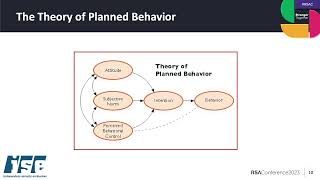
Protecting the Organization - The Psychology of Social Engineering
Explore the psychological aspects of social engineering attacks and learn effective strategies to safeguard your organization against human-targeted security vulnerabilities.

Identifying and Securing Psychologically Vulnerable Users
Explore psychological traits that make users vulnerable to security threats and learn data-driven strategies to enhance organizational security and red team effectiveness.
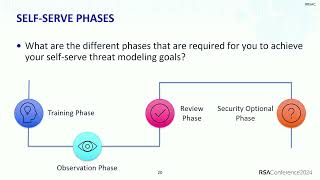
Redefining Threat Modeling - Scaling Security Without Bottlenecks
Innovative approach to scaling threat modeling by empowering development teams, reducing bottlenecks, and integrating security seamlessly into software development processes.
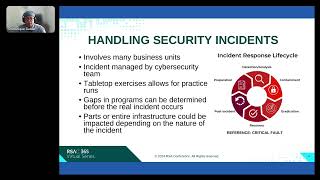
Infrastructure Security: Digital Forensics, Vendor Assessment, and SASE/SSE Risks - Traditional Sessions
Explore digital forensics, vendor assessment, and SASE/SSE risks in infrastructure security. Learn methodologies for enhancing investigations, evaluating partners, and optimizing zero-trust security configurations.
NIST Risk Management Framework - Understanding Implementation and Security Controls
Master the NIST Risk Management Framework's core components and implementation strategies to enhance organizational security, identify threats, and effectively manage security controls for better cybersecurity posture.

What people get wrong about cybersecurity | Hermann Gumpp | TEDxBerlin Salon
Cybersecurity is ultimately about control and responsibility, yet today many people and organizations blindly trust technology, fall for marketing promises, and surrender to both cyber criminals and Big Tech. True security comes from understanding systems, questioning assumptions, using transparent