
Life After Business Objects - Confessions of an OOP Veteran
Exploring the transition from OOP to functional programming in F#, highlighting advantages in development speed, operational stability, and handling large-scale data processing with improved performance and scalability.
Is Software Engineering Still an Oxymoron?
Alan Kay explores the evolution of software engineering, discussing progress, pitfalls, and the future of the field. He shares insights on effective development approaches and the importance of understanding human factors in technology.
Life After Business Objects - Confessions of an OOP Veteran
Explore the transition from OOP to functional programming, discussing advantages in performance, scalability, and development speed. Learn about F# features and their impact on software design and implementation.
So You Want To Be an Actor - Lessons From Implementing The Actor Model
Insights from implementing the Actor Model in production, covering challenges, design decisions, and lessons learned. Explores clustering, persistence, and practical applications of this concurrent programming paradigm.
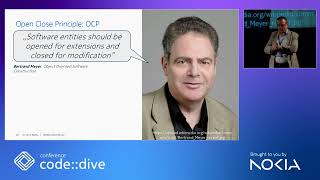
SOLID is for Object Programming or May it Be Used Elsewhere?
Exploring SOLID principles in functional and dynamically typed languages, with focus on JavaScript and React. Practical examples demonstrate benefits and hazards of applying SOLID beyond object-oriented programming.
Design Patterns - The Most Common Misconceptions
Clarifies common misconceptions about design patterns in software development, focusing on Factory, Builder, Bridge, Strategy, and Visitor patterns. Emphasizes their importance in managing dependencies.
Salesforce Development Paradigms - From Low Code to OOP
Explore Salesforce development, from low-code tools to object-oriented programming. Learn platform capabilities, best practices, and insights from experienced developers for building custom business solutions.
Data-Oriented Programming
Explore data-oriented programming: a paradigm that simplifies software design using generic immutable structures, streamlining state management and enhancing code clarity across multiple languages.
Advanced Techniques for Real Time Detection of Polymorphic Malware
Advanced techniques for real-time detection of polymorphic malware, focusing on challenges like volume and metamorphism. Explores optimization strategies and evaluates effectiveness of current methods.

Inheritance vs Composition
Explore the challenges of creating reusable web components and compare functional vs object-oriented programming in web development with insights from MeisterLabs' CTO.
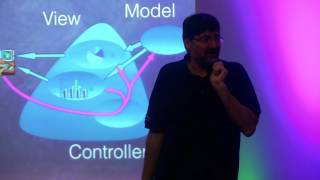
A Glimpse of Trygve - From Class-oriented Programming to Real OO
Explore the evolution of object-oriented programming, from class-centric approaches to true OO paradigms, and discover the trygve language's implementation of Data-Context-and-Interaction.
Hacker’s Guide to Rust Programming
Explore Rust's core concepts, including ownership, borrowing, traits, and error handling. Learn to build safe, fast, and concurrent systems with hands-on demos and essential tools.

Procedural Programming - It’s Back? It Never Went Away
Explore procedural programming's enduring relevance, its influence on language design, and its relationship with functional and OO paradigms in modern software development.
SOLID Revisited - The State of the Matter
Explore the relevance and criticisms of SOLID principles in modern software design. Evaluate their usefulness, potential alternatives, and future directions in this interactive discussion.
C++20 Concepts
Explore C++20 Concepts: their impact on code readability, design approaches, and compile-time performance. Learn to formulate requirements and compare with traditional polymorphism techniques.
Embracing User-Defined Literals Safely
Explore user-defined literals in C++: benefits, implementation methods, best practices, and potential pitfalls. Learn when and how to use them effectively for improved code expressiveness.
What Classes We Design and How
Explore C++ class design principles, object roles, and special member function rules. Learn to create safer, more effective classes by understanding value, relation, manager, and subject objects.
Managing External APIs in Enterprise Systems
Explore techniques for encapsulating external APIs in enterprise systems, focusing on efficient interfaces, managing changing requirements, and minimizing codebase impact through abstraction.
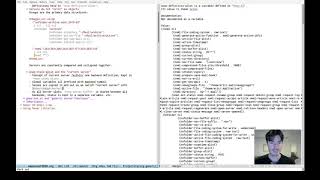
Object Oriented Code in the Gnus Newsreader
Explore object-oriented programming in Emacs Lisp through the Gnus newsreader, examining its implementation and discussing potential improvements to the codebase.
Know Your Java
Explore advanced Java concepts and techniques with expert Venkat Subramaniam, enhancing your programming skills and deepening your understanding of the language.
When to Use Web Components
Explore when to use web components, their performance, encapsulation benefits, and implementation advantages in modern frontend development.