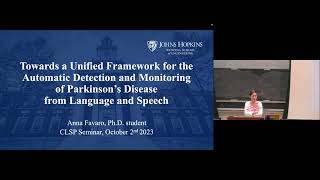
Automatic Detection and Monitoring of Parkinson's Disease from Language and Speech
Explore cutting-edge techniques for detecting and monitoring Parkinson's disease through speech and language analysis, presented by PhD student Anna Favaro from Johns Hopkins University.

Comparative Analysis of Relative Fragmentation Stabilities in Polymorphic Amyloid Fibrils
Explore comparative analysis of amyloid fibril fragmentation stabilities, crucial for understanding neurodegenerative diseases. Learn analytical approaches to assess polymorphic structures under mechanical perturbation.
Image Analysis in Neurodegenerative Disease
Explore AI-powered image analysis for neurodegenerative diseases, focusing on software that detects shape differences in diseased brain cells, with insights from PhD research.
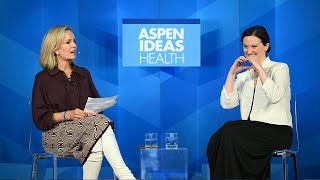
The Menopause Brain - Hormonal Changes and Neurological Consequences
Explore neurological impacts of menopause, including links to Alzheimer's. Learn about hormone therapy and lifestyle changes to support brain health during this transition.

Case Study - Intracerebral Hemorrhage
Interactive exploration of intracerebral hemorrhage diagnosis and management, covering key aspects, treatment approaches, and clinical considerations for healthcare professionals.

Neurology - Midbrain Anatomy & Function
Comprehensive exploration of midbrain anatomy and function, covering key structures, pathways, and their roles in the nervous system. Ideal for neurology students and enthusiasts.
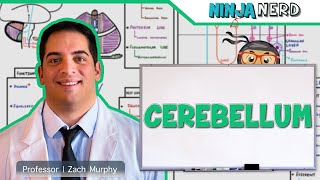
Neurology - Cerebellum Anatomy & Function
Comprehensive exploration of cerebellum anatomy and function, covering structural and functional aspects, deep cerebellar nuclei, and cerebellar cortex layers. Ideal for understanding this crucial brain structure.
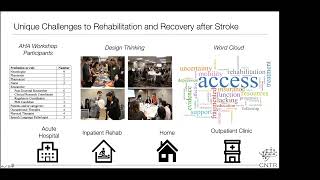
Clinically Relevant Biomarkers and Outcomes for Motor Recovery After Stroke
Explore cutting-edge research on biomarkers and clinical outcomes that influence motor recovery in stroke patients, presented by Dr. David Lin in this comprehensive medical lecture.
Factors Impacting Recovery of Walking After Stroke
Explore the key factors affecting post-stroke walking recovery through expert insights on rehabilitation strategies, clinical assessments, and evidence-based interventions.
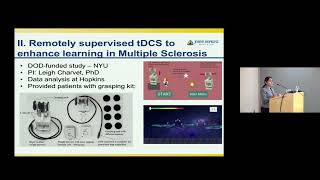
Motor Stroke Research Lab and Stroke Institute Updates - Grand Rounds 2019
Discover the latest advancements in stroke research and rehabilitation through expert insights on motor recovery, featuring updates from Johns Hopkins' specialized institutes and laboratories.
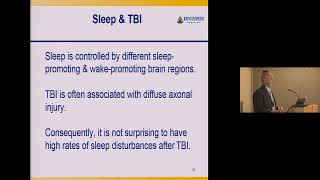
Sleep Disturbance and Traumatic Brain Injury
Explore the complex relationship between sleep disorders and traumatic brain injury through expert analysis of clinical findings, diagnostic approaches, and treatment strategies.
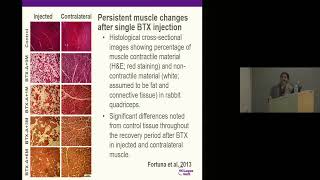
Envisioning the Future of Stroke Recovery
Discover cutting-edge approaches and emerging trends in stroke rehabilitation through expert insights on recovery pathways, treatment innovations, and future therapeutic directions.
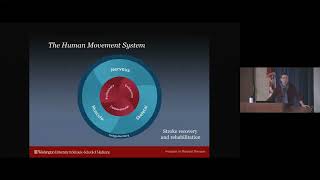
Dose in Stroke Rehabilitation - The Value of Explicit Hypothesis Testing
Discover evidence-based approaches to stroke rehabilitation through explicit hypothesis testing, focusing on optimal dosage strategies and therapeutic interventions for improved patient outcomes.
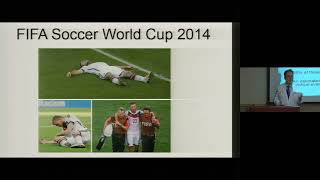
Precision Medicine for Neurologic Trauma
Discover the latest approaches in personalized medical treatments for neurological trauma through expert insights from Johns Hopkins' leading specialists in rehabilitation medicine.
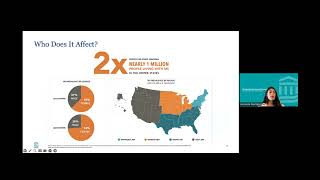
Multiple Sclerosis As We Age - Disease Activity and Treatment Through Time
Explore the impacts of aging with multiple sclerosis, focusing on disease progression, gray matter symptoms, and evolving treatment approaches for better long-term management.

Chronic Wasting Disease - An Emerging Prion Disease of Cervids
Explore the critical threat of Chronic Wasting Disease in cervids, examining its transmission patterns, geographical spread, and potential zoonotic risks across North America and Scandinavia.
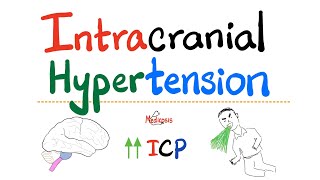
Intracranial Hypertension and Elevated Intracranial Pressure - Understanding Queckenstedt Test and Cerebral Perfusion
Delve into the mechanisms, diagnosis, and management of intracranial hypertension, including cerebral perfusion principles and the Queckenstedt test for neurological assessment.
Neurodivergency: The Sunflower Human OS - Understanding Neurological Variations and Workplace Inclusion
Explore neurodivergence, its various forms, and workplace challenges faced by individuals with different neurological processing patterns. Gain insights into accommodating invisible disabilities in group settings.
Pediatric Cervical Spine Injuries - Managing Diagnosis and Treatment
Master essential techniques for diagnosing and managing pediatric cervical spine injuries in emergency settings, with evidence-based approaches for healthcare professionals treating young patients.
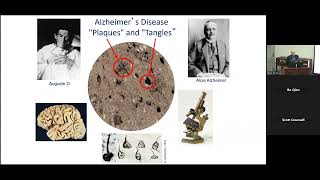
Blood-Based Biomarkers for Alzheimer's Disease and Related Disorders
Explore the latest developments in blood-based biomarkers for detecting and monitoring Alzheimer's disease, including their applications in clinical research and medical practice.
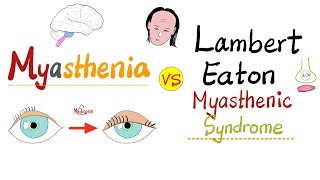
Myasthenia Gravis vs Lambert-Eaton Myasthenic Syndrome - A Neurological Comparison
Understand the key differences between Myasthenia Gravis and Lambert-Eaton Myasthenic Syndrome, exploring their causes, symptoms, diagnostic approaches, and treatment strategies.