
Resting Membrane Potential in Neurology
Comprehensive exploration of resting membrane potential in neurons, covering ionic concentration differences, equilibrium states, and factors influencing electrical potential across cell membranes.

Genetic Testing in Adult Neurology Patients
Explore the utility and diagnostic yield of genetic testing in adult neurology patients, reviewing recent research findings and implications for clinical practice.

Living with Familial Hemiplegic Migraine with Paralysis - The Patient's Experience
Explore familial hemiplegic migraine through a patient's perspective, understanding its genetic basis, symptoms, and management strategies for a healthier life despite challenges.
Exome Testing - An Evidence-Based Approach to Accurate Diagnosis
Explore Ambry's evidence-based approach to clinical exome sequencing, including their proprietary scoring system for linking genes to diseases, leading to higher diagnostic yields and improved patient care.

Genetic Testing for Neurodevelopmental Disorders
Explore genetic testing methods for neurodevelopmental disorders, including microarray, single syndrome, multi-gene panels, and diagnostic exome sequencing, to aid in diagnosing conditions like autism and epilepsy.

Evaluation and Genetic Testing for Sudden Death
Comprehensive overview of sudden death evaluation, covering team roles, autopsy tools, sample types, and potential causes. Equips healthcare professionals with essential knowledge for case investigation.
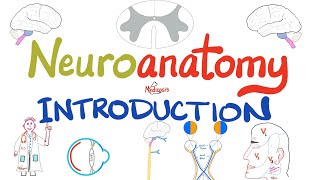
Introduction to Neuroanatomy - Learn the Basics
Comprehensive overview of neuroanatomy, covering nervous system structures, classifications, and functions. Explores central and peripheral systems, nerve types, and brain regions.

Can We Stop Multiple Sclerosis and ALS? - New Approaches to Nerve Cell Regeneration
Groundbreaking research on nerve cell death in MS and ALS leads to potential new treatments. Dr. Levin discusses discoveries in stopping cell death and promoting regeneration, offering hope for halting disease progression.

Learnings from a Journey in Science
Explore a scientist's journey from childhood to adulthood, discovering key insights and experiences that shaped her career in chemistry, neuroscience, and sustainable technology development.

Neurogenesis - Lessons of Regeneration
Exploring brain's ability to reverse neurodegeneration through stem cell activation and neuron cooperation, drawing parallels to environmental regeneration after wildfires.

The Power of Sleep - Unlocking Your Brain's Potential
Discover the secrets of restorative sleep with Manohar Grandhi's insights on overcoming insomnia, debunking sleep myths, and unlocking your brain's potential through effective sleep strategies.

Brain-Computer Interface Revolution - Current State and Future Possibilities
Experts explore brain-computer interfaces' potential to restore function in neurological conditions, discussing current applications and future possibilities of this transformative technology.
Characterizing the Role of the Hyperdirect Pathway in Subthalamic Deep Brain Stimulation
Explore the hyperdirect pathway's role in subthalamic deep brain stimulation, uncovering its impact on neurological treatments and brain function.
Pediatric Neuroimaging: Challenges and Solutions
Explore challenges and innovative solutions in pediatric neuroimaging with expert insights from Dr. Onur Afacan of Boston Children's Hospital and Harvard Medical School.
Causal Mapping of Symptoms onto Human Brain Circuits
Explore causal mapping of neuropsychiatric symptoms onto brain circuits. Learn lesion network mapping, depression localization, and therapeutic applications in addiction and epilepsy.
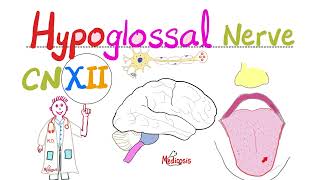
Hypoglossal Nerve - The 12th Cranial Nerve (CN XII) - Neuroanatomy
Comprehensive overview of the hypoglossal nerve's anatomy, function, and clinical significance. Explores its role in tongue movement and potential impacts of nerve damage.

Using Physics to Help Us Better Understand and Prevent Concussions
Explore the physics of concussions and learn how understanding mechanics can lead to better prevention strategies. Gain insights into the latest research and protective equipment developments for head injury reduction.
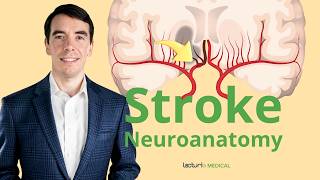
The Neuroanatomy of a Stroke - Stroke Syndromes and Location Identification
Comprehensive guide to brainstem stroke syndromes, covering midbrain, pons, and medulla. Explains anatomical structures, clinical presentations, and localization techniques essential for medical exams and practice.

Facial Nerve Anatomy and Function - CN 7
Explore the facial nerve's anatomy, function, and clinical relevance. Learn about its components, nuclei, course, branches, and associated disorders like Bell's Palsy.

Optic Nerve and Visual Pathway - From Eye Anatomy to Clinical Relevance
Explore the optic nerve's anatomy, function, and clinical relevance. Gain insights into visual pathways, eye structures, and related disorders through detailed explanations and animations.

Parasympathetic Nervous System - Structure, Function, and Outflow
Explore the parasympathetic nervous system's structure, function, and outflow. Learn about its role in "rest-and-digest" activities and how it differs from the sympathetic system.